Sometimes it’s better to be lucky than good. Sometimes, of course, it’s even better to be both. And Birmingham Royal Ballet, in their all-too-brief London season, have been both lucky and good. Lucky, because they have Peter Wright’s little jewel of a production to dance; and good because, well, they’re good in it.
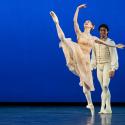
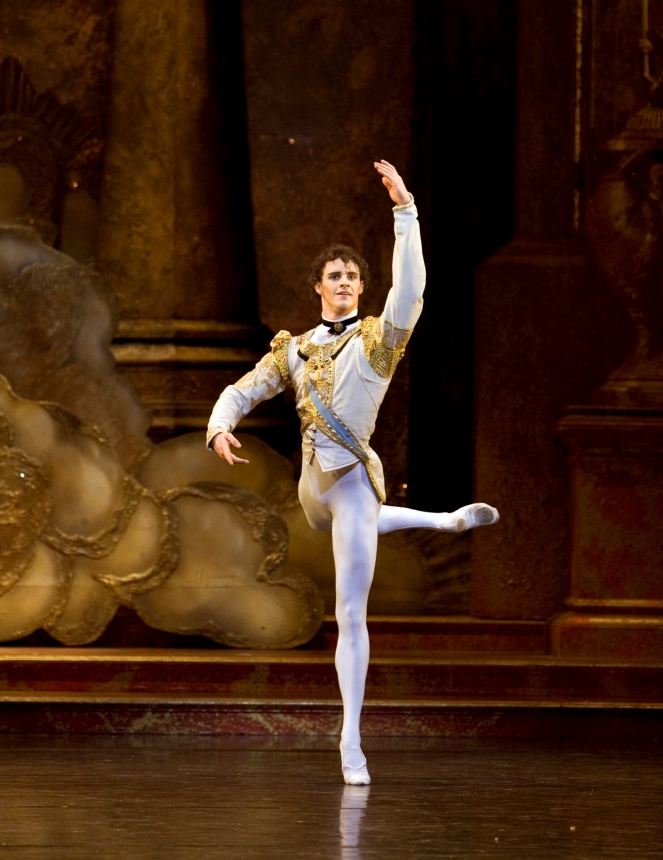
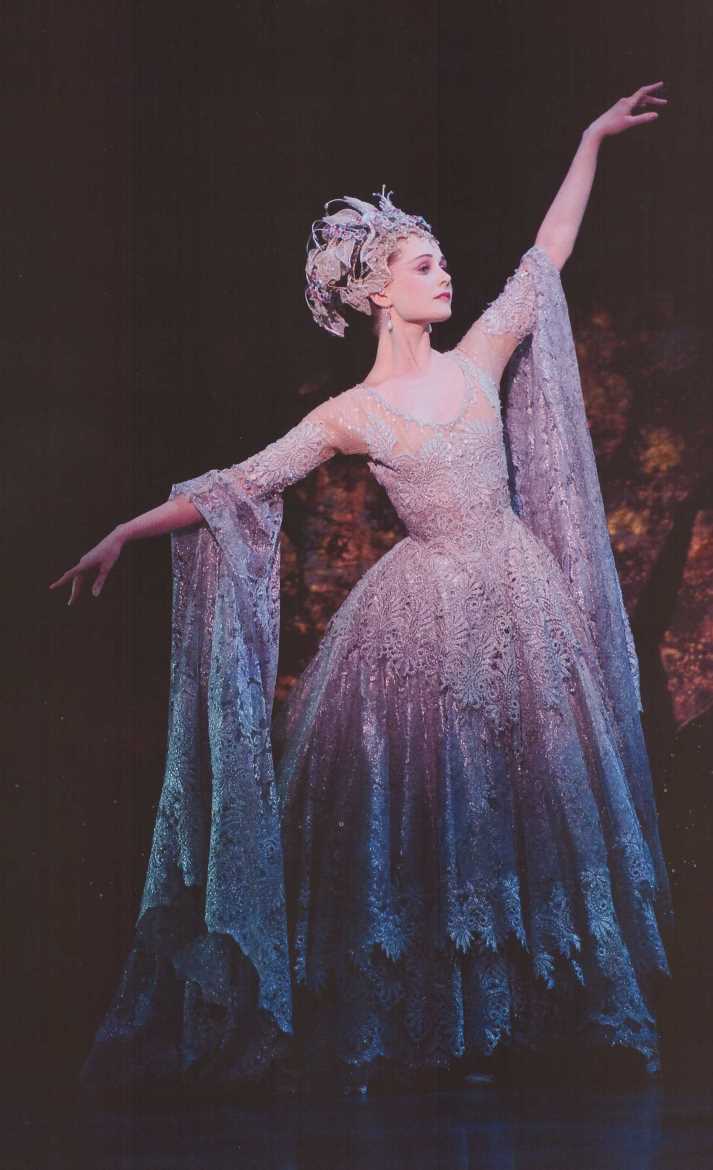 The first night cast of Jenna Roberts (right, in a previous performance, as the Lilac Fairy), now happily settled back at full health after a long injury break, and Iain Mackay (below left) is as sleek and smooth and elegant as the production. Roberts’s Aurora is gracious without being stuffy, and her long-legged, loose-extensioned movement is these days exquisitely framed by her elegant head and neck and, almost the most expressive, precise, delicate placement of her pointes.
Mackay as the Prince has less to do, but what opportunities there are he welcomes.There are also lovely turns from some of the fairies (often a dull stretch of the evening), in particular Laura-Jane Gibson and Maureya Lebowitz.
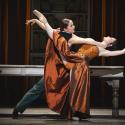
 The production dates from 1984, but looks as though it came out of the workshop yesterday. Philip Prowse’s dramatic maroon, ochre and black-inflected sets and costumes still do their Gothic-Baroque mash-up thing with panache. And for the most part, Wright’s choices in terms of new choreography where necessary are excellent. His decision to ditch the panorama scene (The Prince Gets a Boat! Oh yawn) is wise; his ability to create instead a Petipa-ian extension of the lovely vision scene, patterning his tiny corps as a series of roads for the prince to follow, is a small miracle of sympathetic ventriloquism.
If the production has a drawback, it is probably the awakening pas de deux, which was originally choreographed for another production, and which uses entr’acte music that Tchaikovsky had not planned for dancing; both these caveats make the scene seem to be an add-on, an interruption into an otherwise seductively integrated whole. (Although in particular the music here gives the Royal Ballet Sinfonia a chance to shine, as does the lovely woodwinds section in the Bluebird pas de deux.)
Wright also chose to return to Petipa’s original scheme of the two fairies – Carabosse (Marion Tait) and the Lilac Fairy (Delia Mathews) – presented as equals, both mimed roles, with Prowse’s paralleled costumes shaping their narrative into one of the forces of light against the forces of dark. But while Carabosse has her terrific chewing-the-scenery solo in the Prologue, the poor Lilac Fairy’s solo is handed over to another, and she is therefore reduced to wandering in every now and again, waggling her arms about before leaving once more. She is really Glinda the Good, and let’s face it, wouldn’t we all rather be the Wicked Witch of the West?
Because, happily, we’re not in Kansas anymore, Toto.
- BRB is at Sadler's Wells until 19 October, and then on tour