The release of each box-set in the BFI’s Blu-ray four-volume collection of Ingmar Bergman films is a delight. Volume 3 provides some of the Swedish master’s essential works.
Most of them are as dark as they come. The Scandi Noir that has flooded our screens in the last few years is black in its own way, and despair is seldom absent from it, but "Bergman noir" is something else. Relentlessly – and the eight films in this set, from The Virgin Spring (1960) to The Silence (1963), from Through a Glass Darkly (1961) to Persona (1966), are equally relentless – we are taken on a trip that evokes madness and spiritual death, but never stoops to cheap shocks or self-indulgent entertainment.
Bergman’s journey to the underworld is full of horror, but done with a subtlety that avoids the literalism of vampires and the thrill of murder and monsters in the dark. The horror is closer to home and not the stuff of fantasy. Bergman is the most psychological film-maker of his time and also the most human-centred. The tortured beings that populate the films of this middle period – the years that follow his mid-life first reckoning with death, in Wild Strawberries and The Seventh Seal (both 1957) – are facing the limits of their own lives and their relationships, with lovers and other loved ones and with God or an image of the divine. Death is a given, no longer a threat or a constraint.
 Persona, the most radical film in the collection, brims with stylistic innovation: aspects of it, such as the image-rich pre-title sequence, are adventurously experimental. Though the images created by Bergman and his cinematographer Sven Nykvist always serve the content rather than dress it up in self-conscious stylisation.
Starring Liv Ullman as a mentally ill actress and Bibi Andersson as her carer, the film is pure poetry rather than a simple narrative with a beginning, a middle, and an end. Persona continues to open up and explore questions about sanity and madness, identity and relationships to this day.
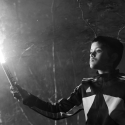
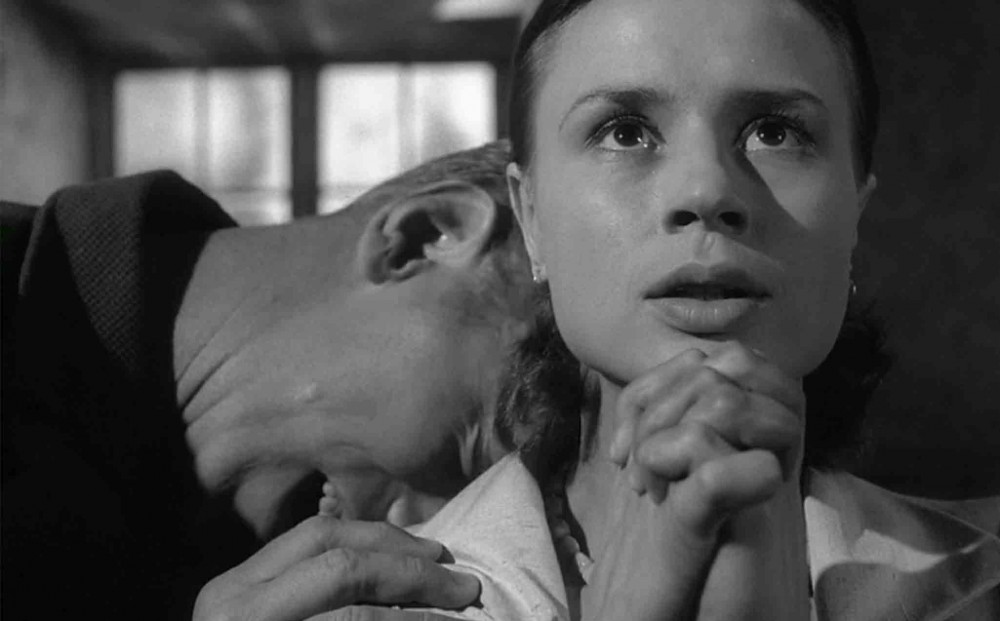
The ground that Persona brilliantly inhabits was prepared by the trilogy that defined Bergman's "early mature" period. Through a Glass Darkly, Winter Light (1963; pictured above), and The Silence are films about men and women seeking redemption and beset with crises of faith. Featuring minimal music and austerely made, they are terrifying in their distilled despair.
The films from this period focus on the personal – on the psyches of characters imprisoned in the hell of their own lives. The children – notably in The Silence and Through a Glass Darkly, figures of bemused innocence – look on in a kind of stupor as the adults tear into each other and themselves. Perhaps subtly referenced is the idea that adults see through a glass darkly, and children see the world with more immediacy.
There are external forces as well: the shadow of world war, the memory of the Holocaust, the horror of the Vietnam War. The latter conflict is central to Shame (1968) though that film is omitted from the set. So is another disturbing 1968 work, The Hour of the Wolf, which explores the dilemma of the artist in the 20th century – as so much of Bergman’s oeuvre does – and man's incapacity to understand the emotional complexities of the opposite sex. Yet there is much else to enjoy in this treasure chest.
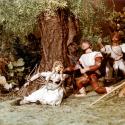
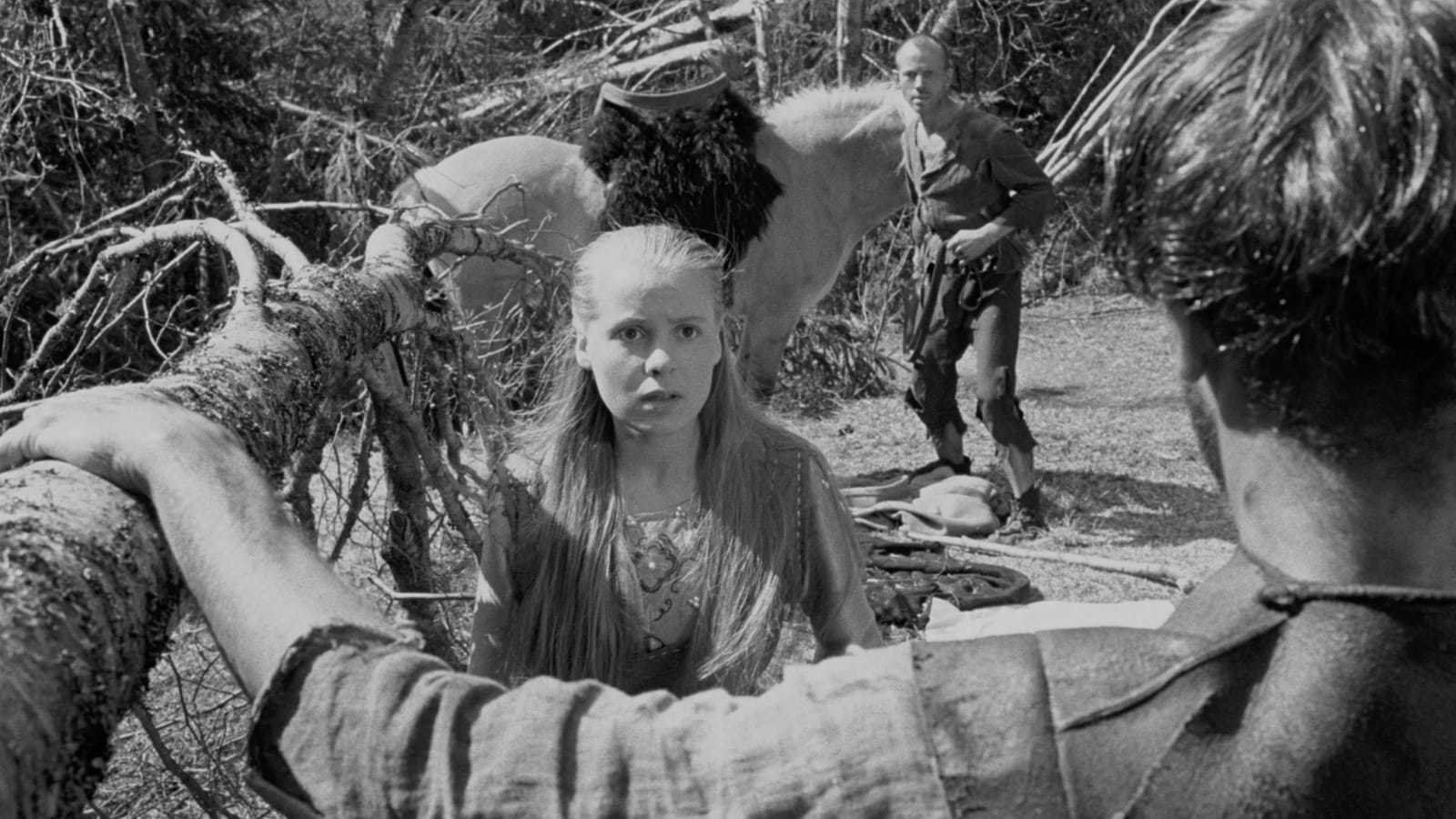 The Virgin Spring (pictured left), set in the Middle Ages, has the power of Greek tragedy. It depicts the rape and murder of a young girl (Birgitta Pettersson) and the vengeance enacted by her father (Max von Sydow) with a mixture of horror and discretion – a perfect example of the less-is-more approach characteristic of Bergman’s super-concentrated minimalism. This gripping, frightening film unfolds with a sense of inevitability that keeps one nervously on the edge of one’s seat.
The Devil’s Eye (1960) and All These Women (1964) represent the Bergman who liked to explore comedy, as in Smiles of a Summer Night (1955), but neither is a masterpiece. The Rite (1969), made for television, displays in a mysterious way Bergman’s probably Christian-inspired vision of eroticism and sex as being tied to violence and perversity; it is, as well, a form of revenge aimed pitilessly at critics who are both turned on and shocked by the often graphic sex in Bergman's films.
The set doesn't include many extras, except for shorts and darkly charming introductions to some of the films by Bergman himself that were filmed long after they were made. There is also a revealing conversation among some of his male actors that covers Bergman's theatre work as well as his films.