

This concert almost had me in tears before a single note was played because it marked (joy!) the first classical concert to take place in the Usher Hall since it was shut in March 2020. She has been closed for eighteen long months, but she hasn’t aged a day.
The final piece of music I heard in the Usher Hall before lockdown was Beethoven's Emperor Concerto, so there’s a pleasing symmetry to the fact that it’s also the first I heard when it reopened. And it’s played here by a crack musical team, one that is still glowing from its magnificent Mozart at this summer’s Proms. That concert, consisting of Mozart’s last three symphonies, let lots more people in on the secret of what a fantastic music-making team we Scots have in the Scottish Chamber Orchestra and Maxim Emelyanychev, and everything about their performance was characterised by both excitement and rigorous attention to detail.
You could sense the energy right from the off: Emelyanychev and soloist Lukas Geniušas bounded onto the stage, and the audience applause had scarcely subsided before they launched into that opening chord and tumbling cadenza. That was the starting gun for a glorious opening tutti, and I’m not just saying that because it has been such a long time since I’ve heard them play it. It rippled with energy and martial colour, radiating excitement in every bar. However, Emelyanychev also coloured the sound with careful use of light and shade, pulling back or pushing forward in ways that sounded both natural and completely alive. The orchestra’s tone was like a multi-faceted diamond reflecting the light, not a one-size-fits-all martial blaze, and the use of natural brass and vibratoless strings (with the double basses sitting high up in the centre) gave the sound a colour all of its own.
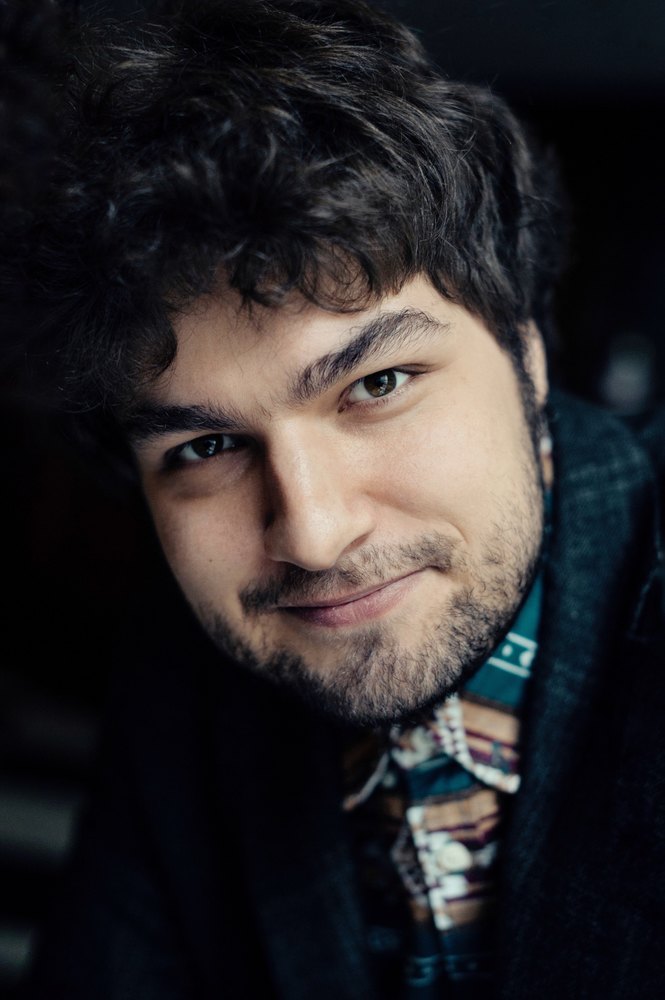 If only Geniušas (pictured right by Jean=Baptiste Millot) had been a more sensitive collaborator. The pianist was, at first, as exciting and focused as the orchestra, but he became more robotic as the concerto progressed, scarcely looking up from his keyboard to communicate with the orchestra, and several slips of timing suggested that he had disappeared into his own world. That was particularly damaging for the meandering passages that ended the slow movement, which were rushed in a way that drained the music of the magic of its string opening. The solo passages of the Rondo tended to lose their shape, too, which was a pity when what was coming from the orchestra was so good.
Mendelssohn’s Scottish Symphony was every bit as strong orchestrally, the strings of the opening sounding wiry, lean and supple. The introduction gained weight as it progressed, but the main Allegro theme stole in so softly that it sounded almost reluctant, Emelyanychev paring it back to as near silence as he dared. It’s a spine-tingling effect, one I’d never heard before in this symphony, but it meant that the music could build up a terrific head of steam as it progressed, galvanising the whole movement with a bolt of energy that climaxed in a stormy sense of threat in the coda.
The scherzo swirled with lightning speed and dazzling accuracy, before a slow movement full of richly subtle string playing (take a bow, cellos) and a finale that, after some energetic to-and-fro, spilt over into a roaring final victory. Strolling the stage without a podium, Emelyanychev hurled himself into the midst of his players, energising and motivating them in a way that paid the richest aural dividends. It goes without saying that he was drenched in sweat by the end of the first movement.
So not only a first-class season opener, but a glorious return to the Usher Hall. Everyone on stage looked as though they were having the time of their lives and, judging from the scale of the ovation, the audience was too.




Add comment