The Ciambra is a wonderful and subtle piece of filmmaking. Director/writer Jonas Carpignano captures the genuine heart and fire of family relationships with an amateur cast of relatives, led by the magnetic young Pio Amato. By trusting the audience to find the subtext themselves, they create touching and persuasive cinema over two hours.
Pio is 14-years-old, living with his large family in the Romani community known as the Ciambra, in south Italy. Life here is tough – the electricity is stolen, and money is made by hijacking cars for ransom. Age works differently here, with establishing shots showing children drinking alcohol and toddlers smoking. Pio may be a teenager, but he feels ready to be a man.
His opportunity arises when the men of the house are arrested. The family’s left with a big bill, no income, and the mafia breathing down their neck, so Pio decides to start earning some cash. With the help of his older friend Ayiva, from the African immigrant community, Pio proves quite the entrepreneur, but soon finds adult life isn’t as simple and fun as it looks.
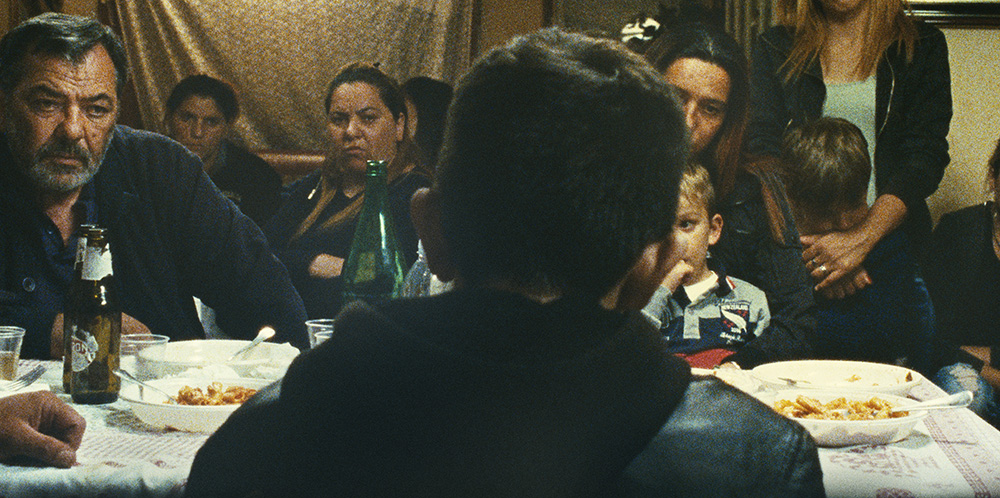
Pio’s journey, although more illegal than most, is immediately familiar. That age when you want to be taken seriously and respected, even if your actions don't call for it. He reveres his older brother’s lifestyle of stealing and clubbing, but he’s driven by more than carnal lust and greed; he feels a sense of responsibility to both his immediate family and his traveller ancestry.
Without ever spelling it out, director Jonas Carpignano paints a vivid picture of adolescent confusion. The pride of making money, the fear of being caught red-handed, the heartbreak of disappointing your family. For much of the film, the camera is a passenger to Pio’s missions, only occasionally giving way to gorgeous dreamlike sequences that emphasise the weight of familial responsibility. There’s a confidence in Carpignano’s storytelling, with a lot of trust placed in the inexperienced cast.
It’s a work of fiction, but the lines are heavily blurred. Carpignano first met the Amato family after a crew car was stolen during filming of his debut Mediterranea. He became enthralled by the energy and lives of the Ciambra, and later cast Pio and his family as the stars of his next feature. Their performances are wonderfully understated, clearly untrained but grounded in truth. Pio tells a story in his eyes alone, determination and vulnerability carried in a look; there’s a career ahead of him, should he choose to leave the Ciambra life.
Set pieces and choice conversations build to an unexpected, bittersweet denouement. At times, it feels like the story is treading water, but foundations are laid for an ending that’s as poignant as it is modest. All the factions - the Romani gypsies, the African immigrants, the Mafiosi - believe they're above each other, but the film demonstrates we all share the same drives, the same loyalties, and the same inevitable loss of childhood.