“Nothing you’re about to see is true,” this adaptation of Peter Carey’s novel about Australia’s iron-clad Victorian outlaw Ned Kelly declares. Justin Kurzel’s wild investigation of the Kelly myth, Australian manhood and nationhood carves out its own truths anyway.
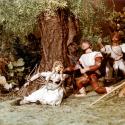
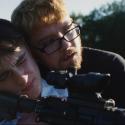
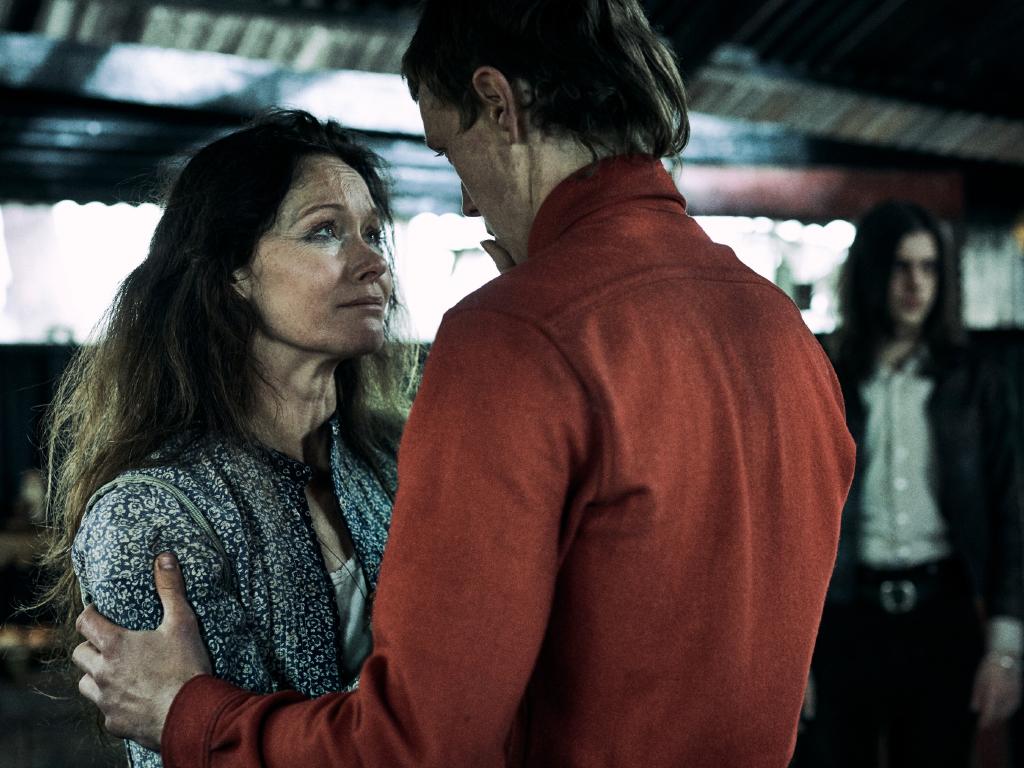
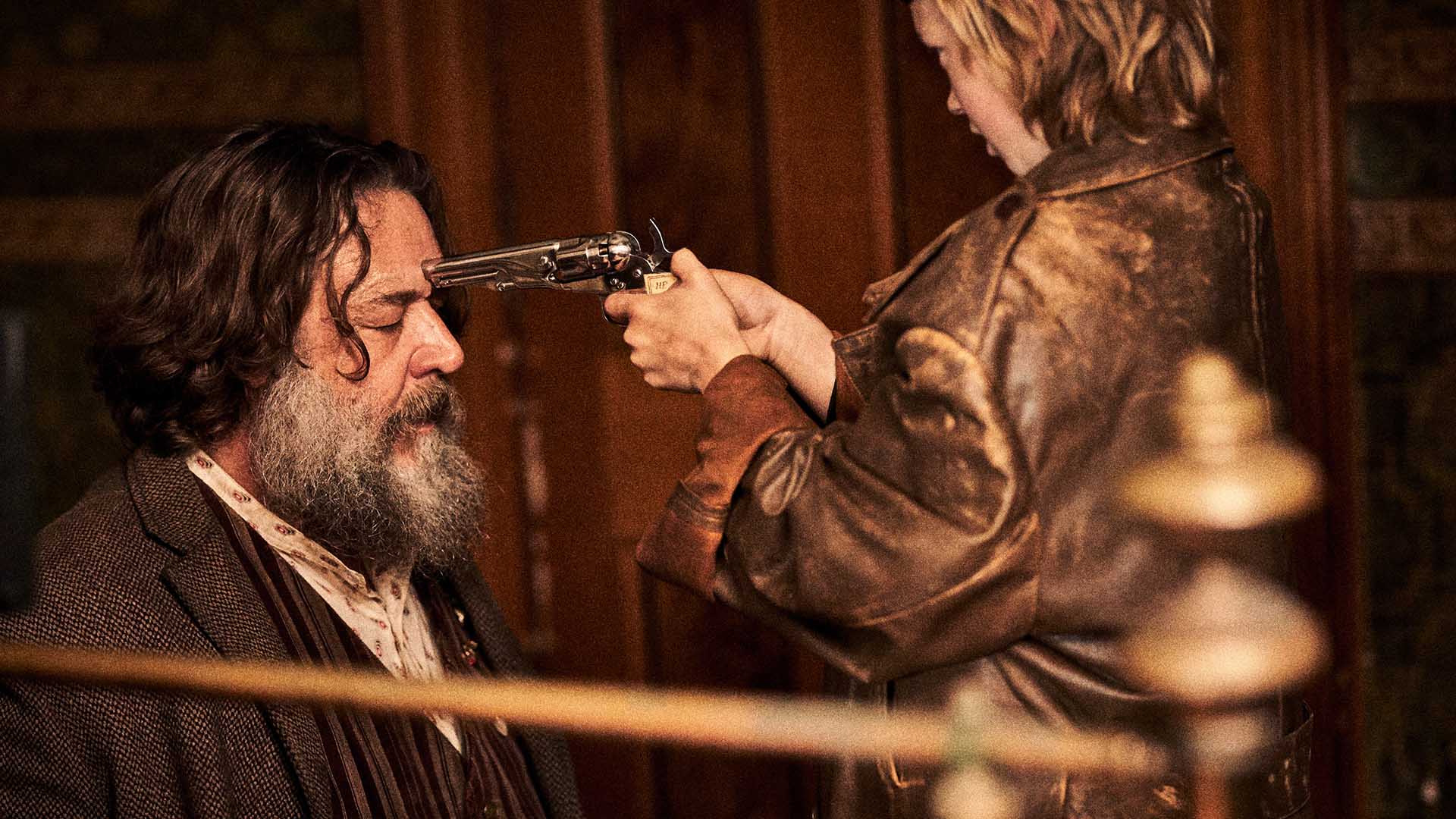
Kelly grows up in an impoverished, outback Irish family led by necessarily feral mother Ellen (The Babadook’s Essie Davis, pictured below left). This maternal Lady Macbeth is glamorous, cunning, hopelessly defiant and fearsomely vicious. First recalled by Ned pragmatically giving a blowjob to the local policeman, she later violently drives her husband from the house for drunken brutishness, before police mistreatment leads to his death. Her pride buoys Ned and dooms him, when she spurns a chance of tainted English education. He’s instead schooled in savage possibilities by cultured killer Harry Power (Russell Crowe, pictured bottom left) and the grim attentions of the English-born police. Played by pale, blond Orlando Schwerdt as a malleable, watchful boy, George Mackay’s bony face and untrusting eyes retain that wrecked child in adulthood, only as a last desperate act becoming the fearsome criminal of legend.
 Kurzel’s Snowtown almost unwatchably confronted the reality of a serial killer, in an Adelaide suburb so lost this made him a male role model. He’s more antic and picturesque here, favouring candlelit glows in the country dark and blasted skeleton trees, and playing fast and loose with narrative and tone. Brother Jed Kurzel streaks his supple score with electric guitars, making Ned the explicit precursor to Johnny Rotten’s London Irish anarchy. The humour is equally raucous. “Are there no men of substance left in this country?” Ma Kelly cries rhetorically when Ned fails to shoot their police nemesis Fitzgerald. Vivid satire vies with history, cartoonish vigour with real pain. Though convincingly oily as Fitzgerald, Nicholas Hoult falls shorter than fellow Englishman Mackay in inhabiting this slippery mode.
Kurzel again examines bloodied male bodies and their equally wounded psyches, as Ned engages in bare-chested, bare-knuckle boxing, lolls with the near-nude Fitzgerald in a brothel, and continues a family tradition of cross-dressing thievery. His narration, partly drawn from the real Ned’s affronted, grandiose manifestos, desires independence from this brute existence, declaring: “Every man should be an author of his own history.” His invented, ex-prostitute wife (Thomasin McKenzie) is contrastingly cowed and quiet.
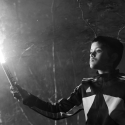
 The final shootout, in which Ned dons the armour he dreamed would make him battleship-impregnable, is a feverish episode, all sweat, fire and terror, with the besieging police lined up through his visor like arcade game targets, and white-cloaked like the Klan. Kurzel aspires to this heightened, hallucinatory condition in response to a landscape of primeval hostility worsened by its inhabitants, who seem already to have erased its original people. Civilised redoubts, from whorehouses to lecture halls, seem phantasmal by contrast.
Like John Ford’s The Man Who Shot Liberty Valance crossed with the ur-Okker masterpiece Wake in Fright (1970), this is a Western about a nation’s chosen history, in which Kelly remains a maggoty immortal, eating away at respect for authority. Kurzel’s portrait of a wild colonial land where even stories are stolen is awfully convincing.