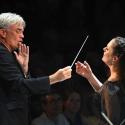
So it turns out there isn’t a problem with Richard Strauss’s Ein Heldenleben (A Hero’s Life), a stroppy mock-epic I thought couldn’t ever love again, when constantly singing phrases from Antonio Pappano and the LSO turn it into an hallucinogenic opera for orchestra.
It seems too good to be true that 10 days after a Philharmonia Don Juan to die for from Jakub Hrůša, who will take over from Pappano at the Royal Opera, along came another performance which felt legendary even as we listened. We have to hear way more Strauss from both great conductors.
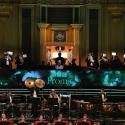
Perhaps not so much from Samuel Coleridge-Taylor and Liszt. Although the African-British composer’s Symphony – splendidly performed by the Chineke! Orchestra under Kalena Bovell at the Proms – and some of his chamber works have the spark of genius, the Ballade he composed at the age of 23 is the kind of “classical pops” number we ought to hear more of, but without the inspiration in the melodies. It would be better at half the length; the main idea comes round three times, the equivalent of a trio tune in one of Elgar’s Pomp and Circumstance Marches twice (we learned from Alisha Jones' programme note that the older composer recommended the younger Samuel for what turned out to be the Ballade as "far and away the cleverest fellow going amongst the young men"). When it comes to Liszt tone-poems, I’d love to have heard the imaginative last, From the Cradle to the Grave, as an ideal predecessor to the Strauss, rather than the penultimate, Die Ideale, homaging a philosophical poem by Schiller. 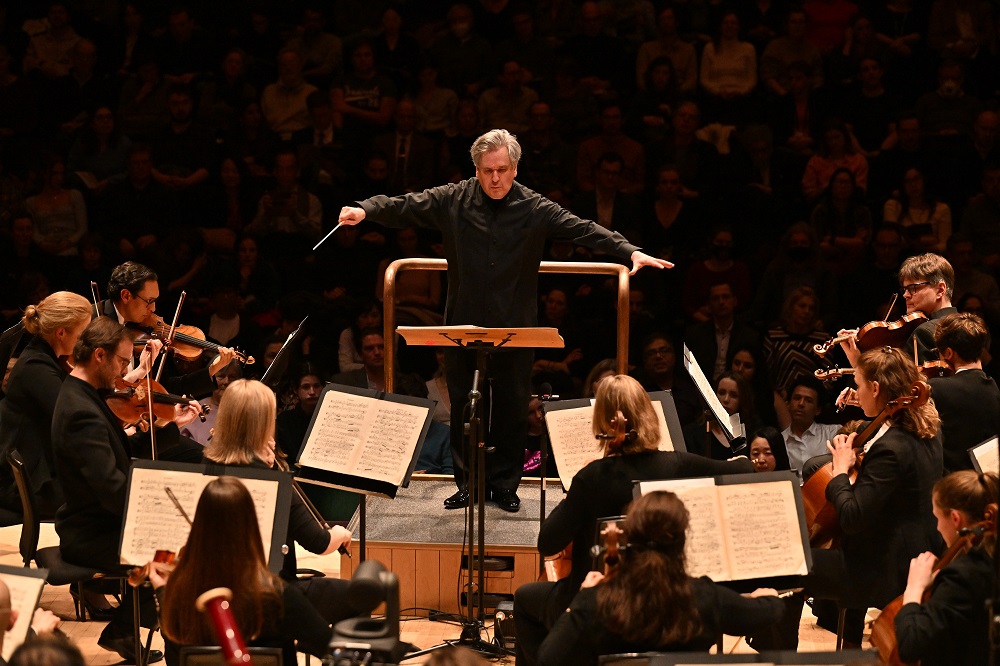 Here, too, themes come round a bit too often, though there’s more variety when they go through the mill of man’s central failure to grasp perfection; unlike Schiller, Liszt then settles for a final triumph. The Ideal is chastely scored, putting most of the burden on the strings and especially the intermittent cascading of violins. No better argument could have been made for it than the sonority of the London Symphony Orchestra on unbeatable form, and Pappano urged an Italianate warmth in the lyrical contrasts of the Coleridge-Taylor. Interesting that a programme with two unknown works and no star soloist should have attracted a sizeable, and wildly appreciative audience of all ages; the LSO must be doing something right on that front, though the worrying question of how many tickets are being sold at a price to sustain such a big organization gives cause to worry for what state our musical scene is actually in right now.
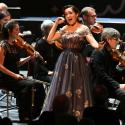
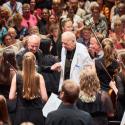
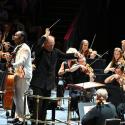
Still, there can’t have been anyone listening who wasn’t thrilled by the elan and poetry of this Heldenleben – much the best I’ve heard in the concert hall, though there was a time when a previous chief conductor of the LSO, Michael Tilson Thomas, produced a similar impression of humorous extravagance. The comically autobiographical hero’s self-presentation, tumultuous battle with critical adversaries and glorious homecoming almost fell over themselves with excitement – no harm in that when the sound was so full and rich – but Pappano also brought a magical sense of space to the post-coital content of the love scene, barely troubled at first by those tip-toeing woodwind critics, the gorgeous review of themes Strauss had composed up to 1899 in the “Works of Peace” and the very moving epilogue marking the hero’s withdrawal from the world. 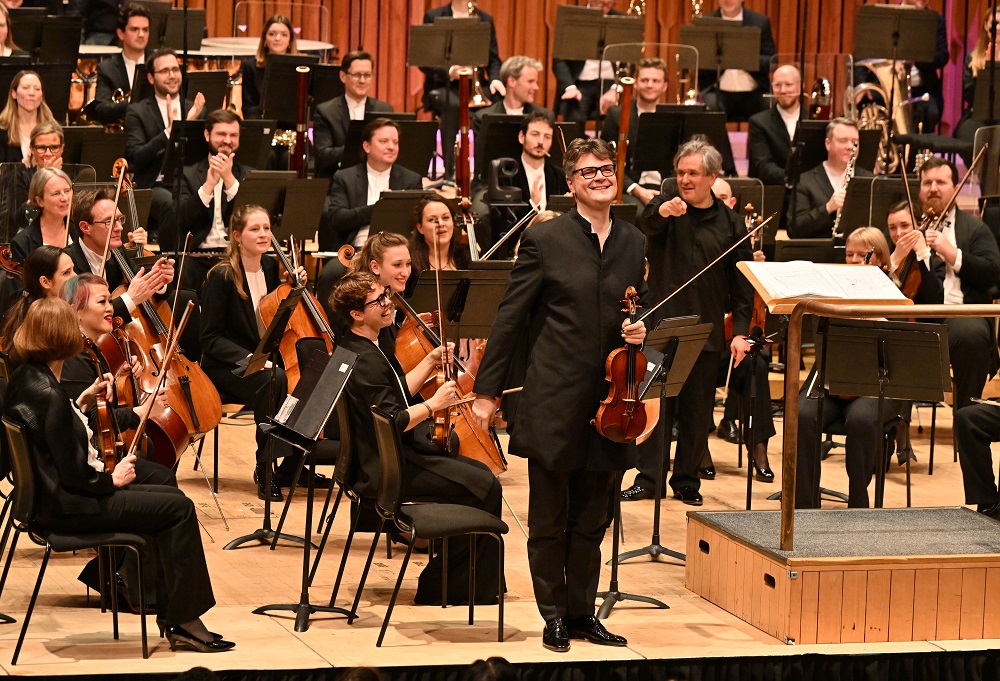 Both collectively and individually the LSO excelled itself. There was lurid comedy from Chi-Yu Mo in the most vivid of E flat clarinet solos, pure nobility from Diego Incertis Sanchez leading an unsurpassable nonet of horns and quite the most dazzlingly articulated long solo depicting Strauss’s wife Pauline in all her infinite variety I’ve ever heard from leader Roman Simovic (pictured above receiving an ecstatic reception). No wonder there was a big hug between him and Pappano at the end. Total victory, in short, critical carpings decisively routed.