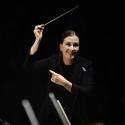
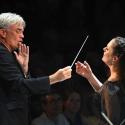
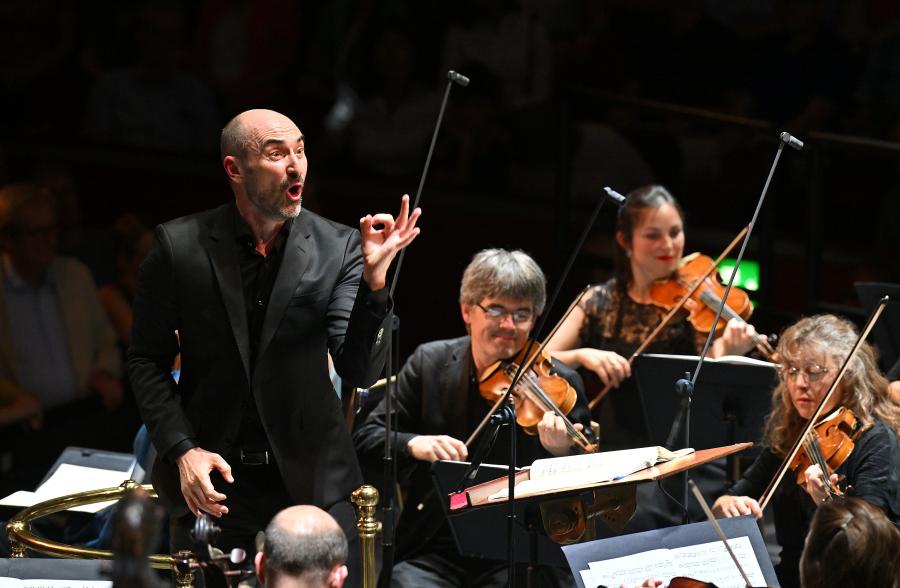
On paper, this Prom looked like a well-stocked display-case for collective choral virtues. Baroque wizard Peter Whelan (pictured below) led the Choir and Orchestra of the Age of Enlightenment in a rare first-half outing for the intensely dramatic Miserere in C minor by the Bohemian contemporary of Bach and Handel, Jan Dismas Zelenka. The second gave us the dependable vocal glories of Haydn’s “Nelson” Mass, retrospectively named for the Admiral after he (with Emma Hamilton in tow) visited the Esterházy court in 1800.
Indeed, the OAE singers (and players) crafted properly turbulent and thrilling interpretations of both the Zelenka and Haydn, rich in chiaroscuro effects that Whelan deftly etched as the choral writing thrusts us from radiance to gloom and back again. However, it was an individual voice who came to command the evening.
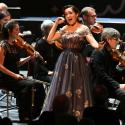
American soprano Erin Morley did nothing especially diva-ish; she simply sang gorgeously, all the way from the solo Gloria patri that interrupts the choral sections of the Miserere through a pair of Mozart concert arias, then into the coloratura extravaganza with which Haydn lightens his fearful solemnity. In the Nelson Mass, it was no discredit to three top-notch soloist partners – mezzo Helen Charlston, tenor Guy Cutting, bass William Thomas – that they inevitably stood rather in her shade. This is a voice that finds the limelight, whatever the genre of the show.
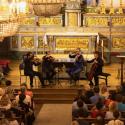
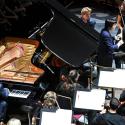
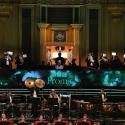
Dark-hued, restless, impassioned, the Zelenka from 1738 has a harmonic daring and emotional fervour that feels worlds away from conventional court piety (he worked in Dresden for the Electors of Saxony). We begin almost with the throbbing apprehension of a Bach Passion. If you want further comparators, there’s plenty of Handelian theatrical prowess in the mood-setting of the score and the polyphonic weave of the choral parts. Elements of the Miserere derive from a much earlier work, by Girolamo Frescobaldi, but Zelenka’s sound-world soon becomes utterly distinct: knotted, layered, volatile. Morley’s long, lush lines softened the atmosphere but – although beautifully shaped – didn’t always soar over the robust blend of the OAE sound (pictured below) . Later on, she filled the hall and ruled the stage with absolute authority.
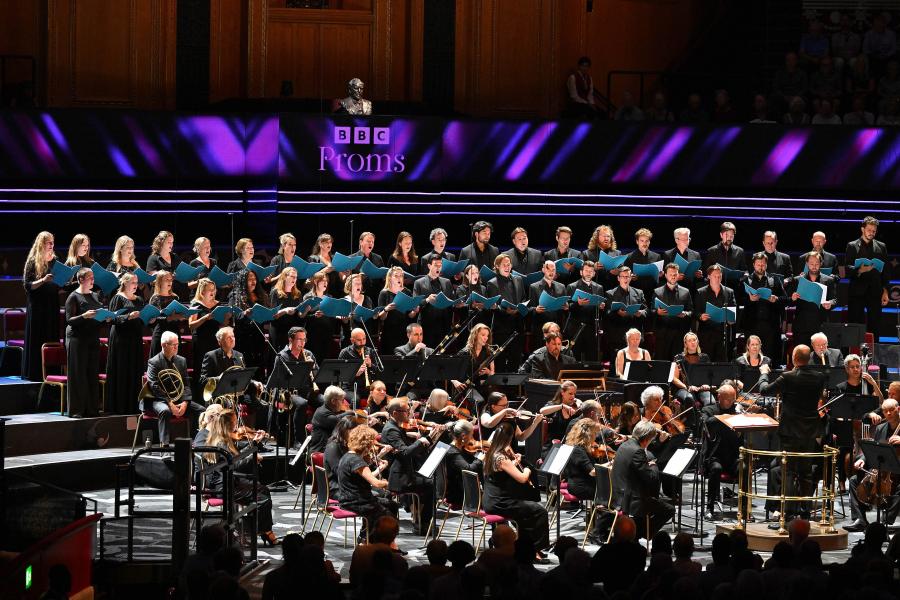
After a reprise of Zelenka’s shadowed choral plea for grace, Whelan moved without a break into a grave, taut rendition by the OAE of Mozart’s mysterious Masonic Funeral Music. In terms of feeling and atmosphere, you could see the logic – but this unmarked half-century leap forward did tend to distract attention from the strongly idiosyncratic character of Zelenka’s style. He wasn’t simply a latecomer, or a forerunner, to be rolled up in an evolutionary history.
Polish, lustre, warmth, nerveless security at the top and a captivating bloom lower down: Morley’s soprano made a delicious meal of the pair of Mozart concert arias, “Schon lacht der holde Frühling” and the show-stopping “Vorrei spiegarvi, oh Dio!”. In the second piece, in particular, she relaxed into a wonderfully fluid succession of coloratura turns that never came across as chilly or mechanical: we felt the meaning as well as admiring the method. The OAE’s support included some stylishly executed wind parts, notably Daniel Bates’s oboe.
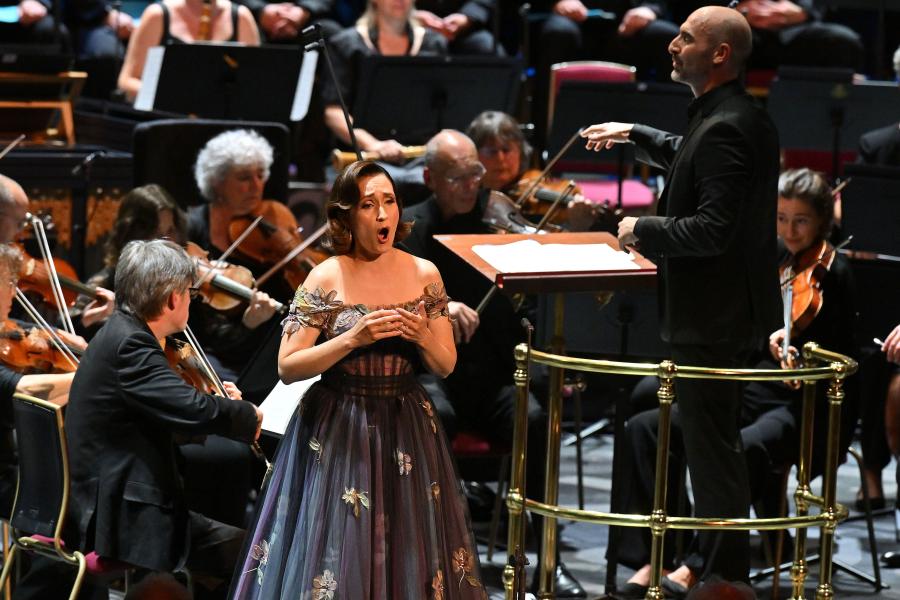
Haydn’s “Missa in angustiis” (the Nelson attribution came later) dates from a time of war and threat, and, more locally, of courtly budget-cuts that slimmed down Haydn’s orchestral forces, eliminating woodwinds – although we heard the later, expanded version of the score. Still, the menacing trumpets and timpani of the Kyrie – with the OAE period sound properly harsh and raw – set the tone for a work that has to struggle towards serenity through peril and terror.
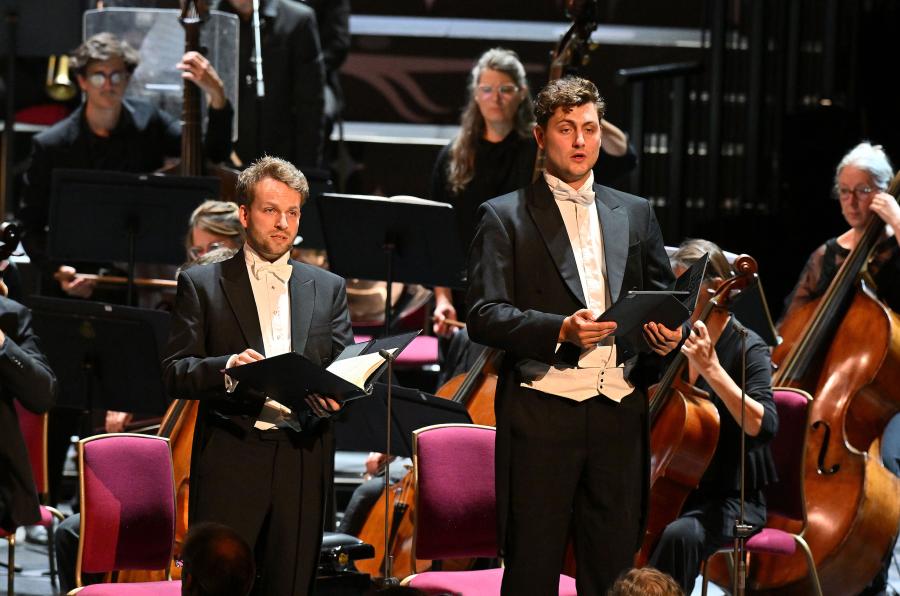
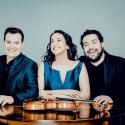
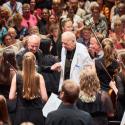
Morley’s soprano, written more for a dramatic heroine than member of a quartet, embodies the fight as she incarnates every lurch and twist of mood. Yet she really didn’t exploit the prominence Haydn granted the role by lapsing into diva self-indulgence. Whatever its power and scope, the voice – expressive but not exhibitionistic – still belonged to the musical milieu of a Classical mass rather than a Romantic opera. Effective teamwork saw Charlston, Cutting and Thomas – the other solo part that enjoys plenty of virtuoso passages (pictured, above right, with Guy Cutting) – make telling, nuanced contributions of their own.
In sections such as the Gloria and the Qui tollis, the back-and-forth between soprano and bass – equally impassioned, equally refined – was a delight. Whelan, as assured in the contemplative stillness of the Et incarnatus as in the bouncing pulse and pace of the Et resurrexit, ensured that the choir matched the soloists in tonal range and piercing clarity of diction. The rapt, hushed adagios of the Sanctus and Agnus dei conjured a particular magic here.
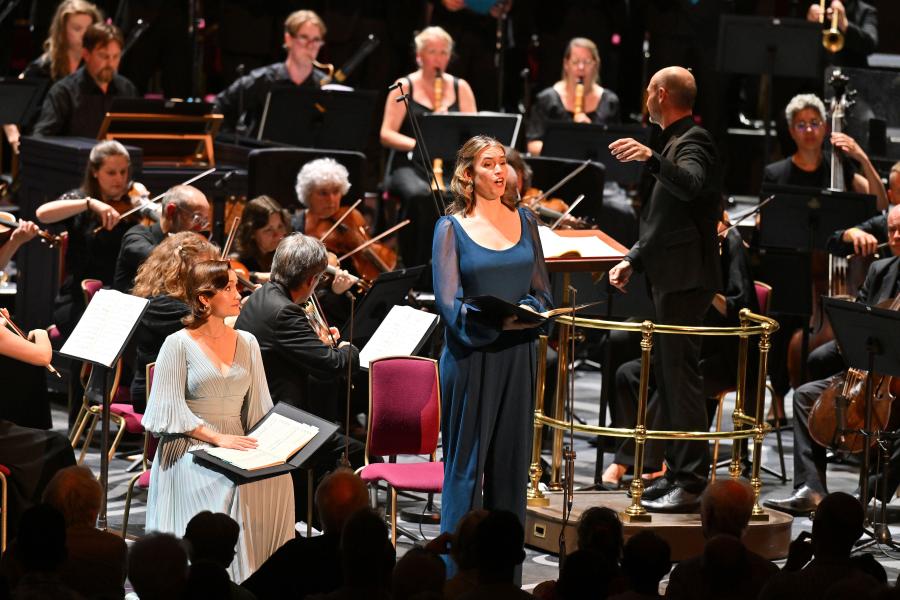
If Morley’s all-weather excellence kept us transfixed, Charlston (pictured above) and Cutting made their briefer spells in the front rank shine. Yet behind the vocal and choral prayer and praise, those minatory drums (Adrian Bending) and trumpets (David Blackadder, Philip Bainbridge, Matthew Wells) always told their fearful tales. Haydn’s plentiful beauties of consolation and celebration in the Mass have to sound hard-fought and dearly-bought. They did.