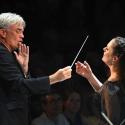
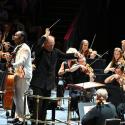
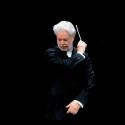
Across three and a half decades, John Eliot Gardiner’s 1987 recording of Bach’s Christmas Oratorio with his Monteverdi Choir and English Baroque Soloists spoiled one for live performances. Not that many of those weren’t equally fine and alive in different ways, but none I experienced gave us all six, equally glorious cantatas.
It could all be done in a single sitting – the whole is still shorter than Handel's Messiah – but on the London leg of their latest European tour, Gardiner and Co kept us waiting in rapt anticipation for Parts Four to Six between Tuesday and Thursday evenings. 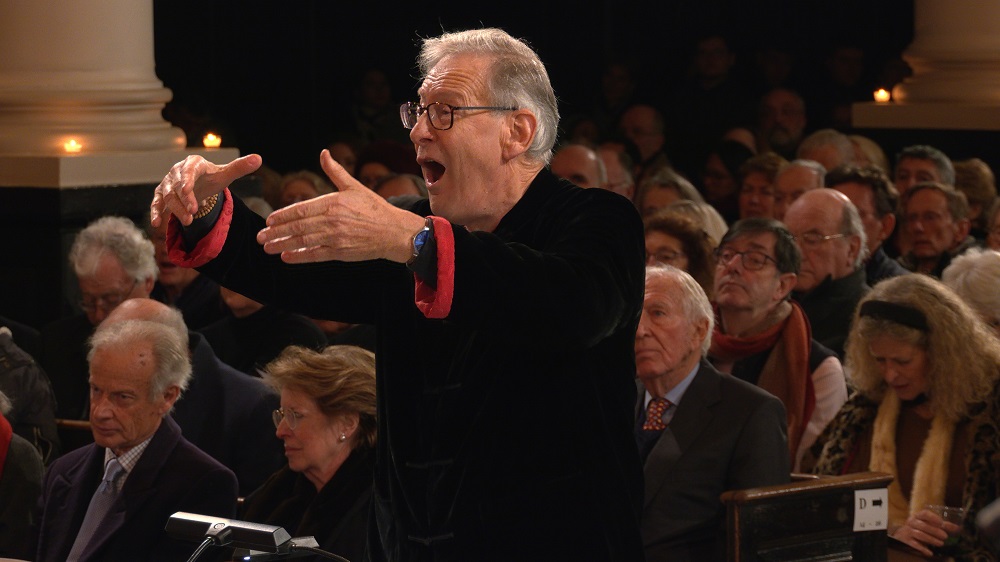 The overall result was an embarrassment of riches. As in all his cantatas, Bach is ceaselessly resourceful not only about his combination of instruments and voices in each number, but about dramatic, which is to say operatic, pacing. Add to that the heart-lift which Gardiner’s ever-vigilant and nurturing style applies to song and dance, and you’re in heaven, and yes, Bach is God.
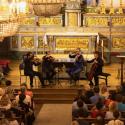
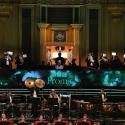
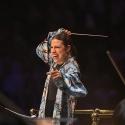
Unleashing of sheer joy was careful. Gardiner avoided jubilant overkill in the glory of the opening chorus with three trumpets and timpani, “Jauchzet, frohlocket”, keeping it springy and light; the real blaze came in Part Two’s choral praise of God and, on the second evening, more of the same, but in utterly individual numbers, in Part Five’s rapturous opening chorus as well as the closing chorale of the entire event, with trumpeters Neil Brough, Michael Harrison and Sam Pierce, pictured below, having to excel in virtuosity even what had gone before (and succeeding with pure silver and gold. Then we got “Jauchzet, frohlocket” as last night’s encore). 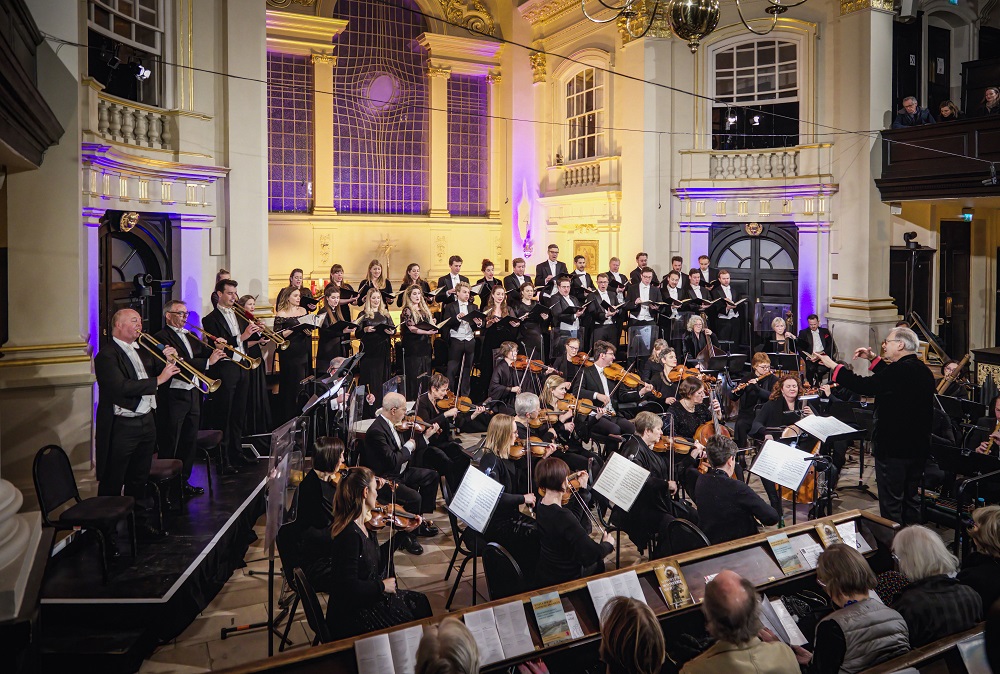 How varied throughout are the colourings: performances which miss out Part Four save on having to pay two horn players, but in this case, who'd have wanted to miss Anneke Scott and Joseph Walters? And the shepherds' wind band led by oboes d'amore is a heartbreaking lovely presence in Part Two, starting with the most profound Pastoral Symphony ever written.
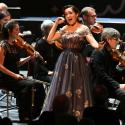
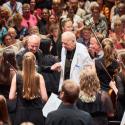
Players and singers looked on in wonder and happiness when they were off duty, collegial in this as in the integration of obbligato instruments with solo voices. Marvellous instances would be too many to cite, but outstanding especially was the interchange of leader Kati Debretzeni and Hugh Cutting – the most exciting and multi-hued countertenor to have emerged very recently – in Part Three’s “Schiesse, mein Herz”, the interchanges of Hilary Cronin, one of the meatier sopranos in Gardiner’s ensemble, with oboist Michael Niesemann and their echo doubles in Part Four, and the elaborate duetting of Debretzeni and fellow front-desker Anne Schumann alongside tenor Nick Pritchard later in the same cantata. This was one of several instances where we needed more firepower from the singer, but Pritchard did make an exemplary and sensitive Evangelist throughout. (Cronin and Cutting within the chorus, third and fourth from left, pictured below). 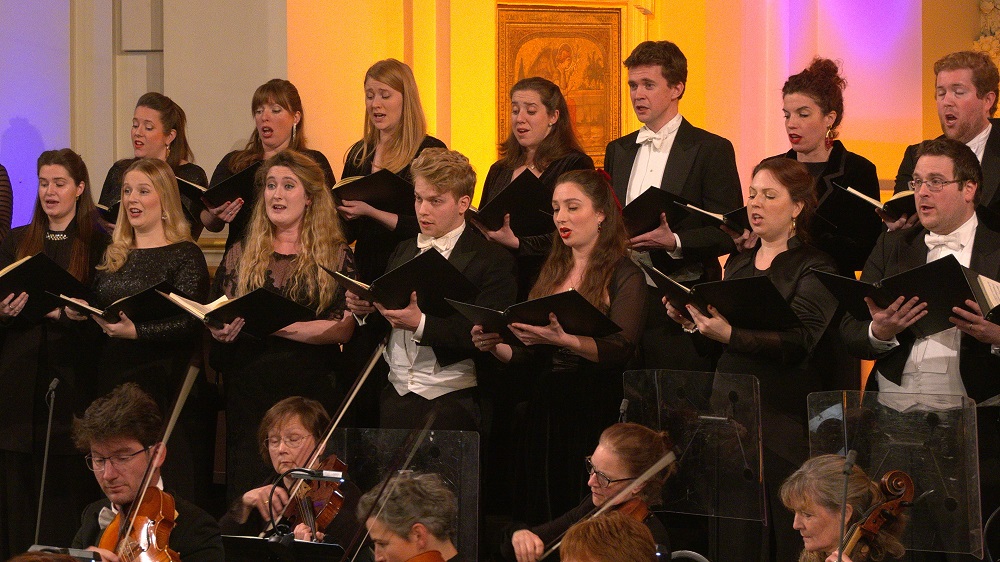 It’s hard to believe that the last two numbers mentioned above were reworked from an earlier, secular cantata about Hercules, along with the sublime song of the Virgin to her child in Part Two (in its previous incarnation, Lust tries to lull the hero to sleep). You can’t say that the new music, the non “parody” material, is better, because it’s all miraculous, but there are special wonders in the chorale settings, and Gardiner made the only one performed here a cappella, as the three kings offer their gifts to the child, the still heart of the work, with rapt soft singing from the Monteverdis. They, and the players, ran the gamut of a masterpiece that deserves to stand alongside the Passions, but rarely does so in its entirety.