

It's never easy readjusting to the weird and sometimes wonderful acoustics of Albert's colosseum at Proms time, least of all when the first thing you hear there comes from a period-instrument band. Tuning in to Jérémie Rhorer's Le Cercle de l'Harmonie didn't take too long, however, while the urgent projection and diction of a splendid new Italian soprano on the block, Rosa Feola, did the hall proud. And all this to a packed house of 5,000 or so – not bad for relatively unknown performers, though the neat Mozart-Mendelssohn programme must have helped to sell all the seats.
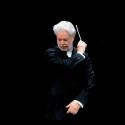
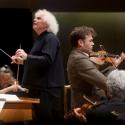
Rhorer (pictured below) announced his intentions in a spruce, articulate Adagio introduction to Mozart's Symphony No. 39, strings rushing with swift clarity down the scales. Sustained notes, vibrato-free, have more trouble carrying in tha Albert Hall, especially when compounded by intonation problems in leader Brian Dean's obbligato role in a Mendelssohn concert aria. Woodwind tuning wasn't always felicitous either – those disappointingly dull authentic flutes and bassoons were a real disappointment in Mozart – while natural horns created some problems here and something really horrible in the scherzo trio of Mendelssohn's "Italian" Symphony. A question to the more historically informed: wouldn't Mendelssohn have written for valves in 1833? Update: see comment below - he didn't.
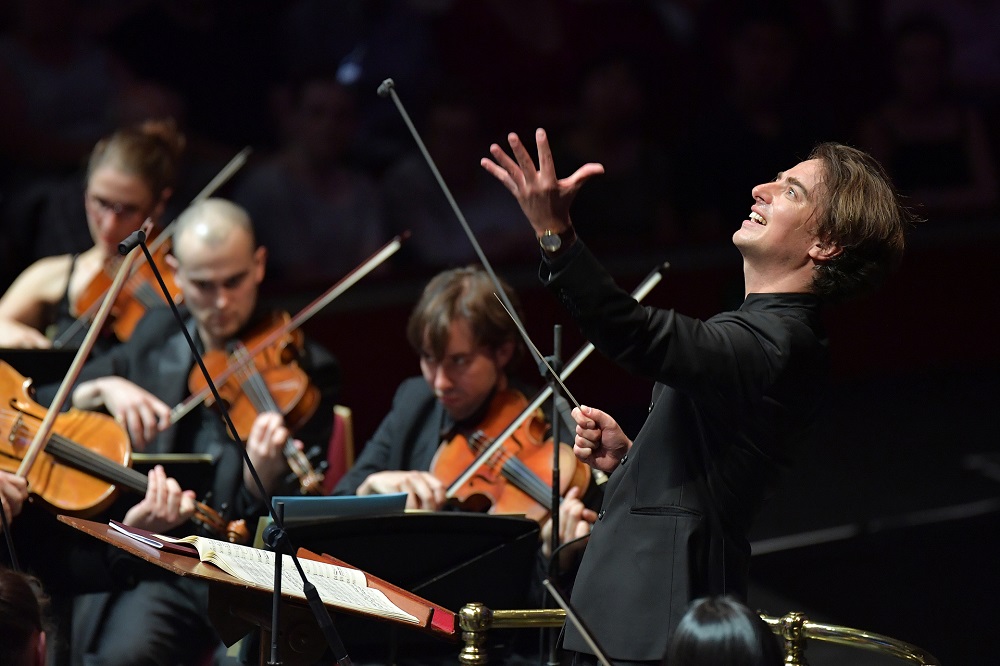
Bliss, though, arrived in the shape of first clarinet Nicola Boud, twice ornamenting her rustic role at the heart of Mozart's Minuet, deliciously swift. Rhorer is a real phrase-shaper, though you felt that more of the pain in those minor-key lunges of the slow movement might have been plumbed, and the Mendelssohn symphony was elegant rather than fiery – more chiaroscuro than bright blue Italian skies. Here we definitely wanted more vivacious body from the strings in the outer movements.
Funny, too, how a young conductor at the top of his game doesn't think of practicalities: flipping the hair out of his eyes with his batonless hand must have got in the way of total concentration. I'll never forget Martyn Brabbins' advice to an Israeli participant on an Orkney Conducting Course: the eyes are just as important as the baton, if not more so – go and get a barber to remove that fringe.
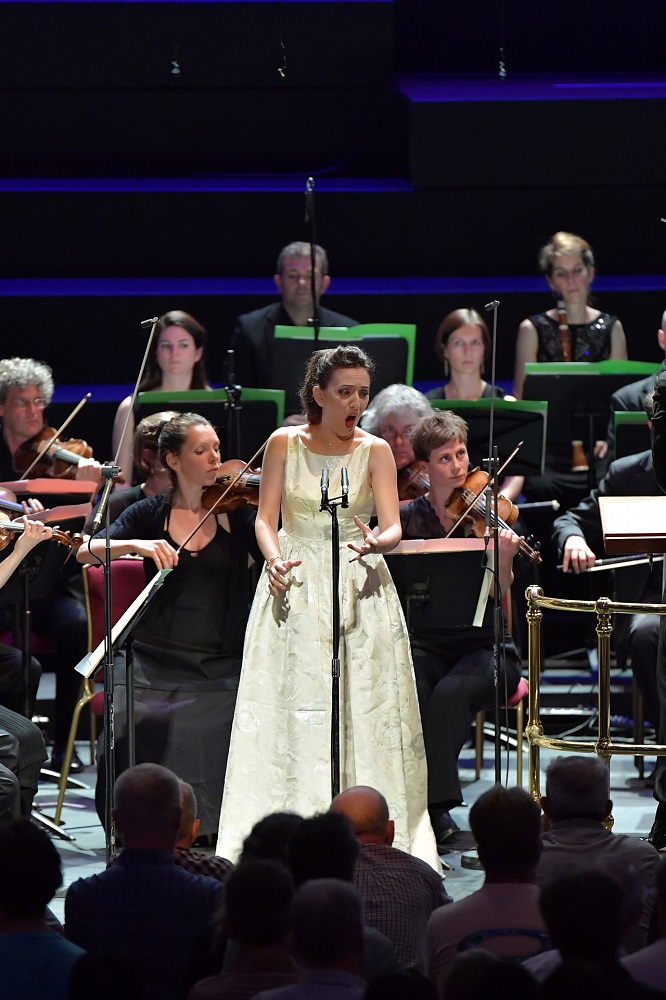 Unmodified rapture came from Feola (pictured right), the fully finished, stage-confident lyric soprano article. A surprising thrust in her armoury of colours suggested something beyond your usual sweet Mozart heroine, though – surely she will be the perfect Fiordiligi, Donna Anna too in the right house, and not just a Pamina or a Susanna (a role she's singing to great acclaim in the Glyndebourne revival of Michael Grandage's irresistible Figaro).
She made the slow cavatina of Mozart's early concert aria "Ah, lo previdi" sound like great music, and assured us that Mendelssohn's "Infelice" really does have heroic stature, for all its intriguing retrospective nods to the Haydn cantata style. And the most thrilling phrase of all, unfurled like the rest with perfect breath control and technique as well as deep feeling, intimated that Brahms knew "Infelice" when he set about composing A German Requiem. Revelatory both in the music and the performance – I can't wait to see Feola, the most vivid Italian soprano to have emerged since Anna Caterina Antonacci, on stage.




Add comment