Berlioz's most intimate oratorio certainly isn't just for Christmas – but, given its scale, is it right for the Proms? Certainly in anniversary year we'd hoped for something bigger: the Requiem, turned to mush earlier this year in St Paul's Cathedral, could have been made for the Albert Hall, with brass bands placed at the four points of the compass. But this venue can do strangely moving things with the small scale, given caring interpreters, and that was equally true of the four late-night Bach cantatas from the eight voices and small ensemble of Solomon's Knot.
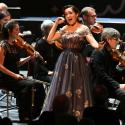
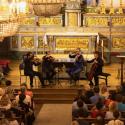
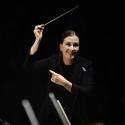
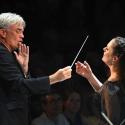
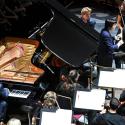
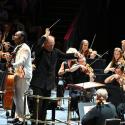
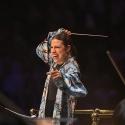
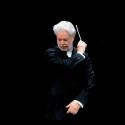
What choirs and players we heard in The Childhood of Christ, too. This performance may have lost two of its original lynchpins, Sarah Connolly and Mark Elder – we wish them well – but Julie Boulianne is the most opulent of Berlioz mezzos, and we had a chance to gauge the extraordinary talent of conductor Maxime Pascal (pictured below) in a romantic score after his hard work on Stockhausen's Donnerstag aus Licht at the Southbank Centre earlier this year. He's singular to watch, with swooping seabird movements with both arms – no baton – and a certain invertebrate quality which certainly doesn't transfer to the music, beautifully shaped but with nodal points punched home. He knows all the words, too, and his professional choirs – Britten Sinfonia Voices and Genesis Sixteen – projected them in what sounded like perfect French. 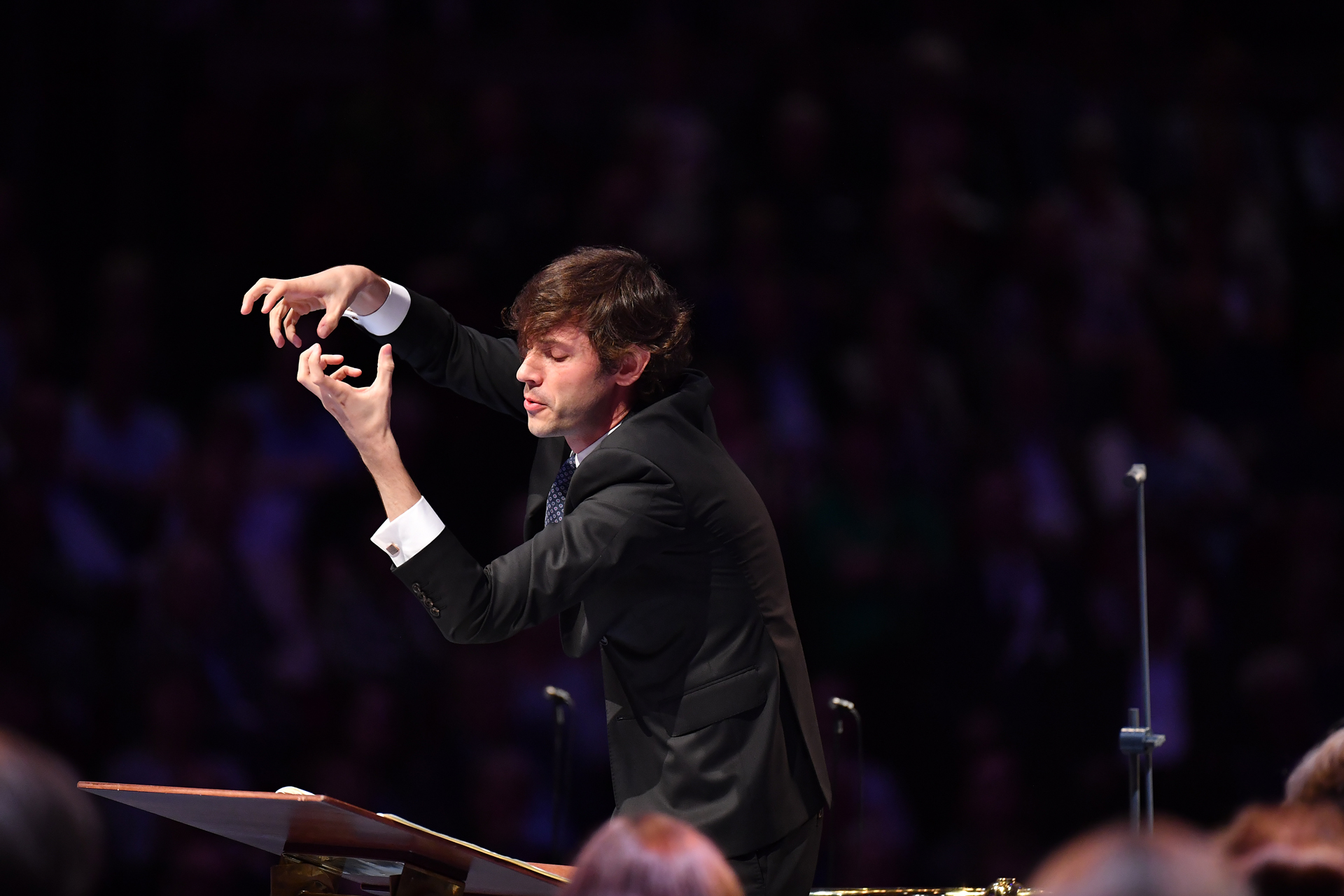 But it was the instrumental sound worlds of the sacred trilogy's far-flung scenes that made such an impact: six double basses of the Hallé at the back to underpin the stealthy music of Jerusalem at night and Herod's anxiety, perfect balances in shot-silk counterpoint, exquisite woodwind led by oboist Stéphane Rancourt penetrating into the Albert Hall voids. The two flutes (Amy Yule and Sarah Bennett) and harp (Marie Leenhardt, all three pictured below) to serve the rest and repose of the refugee family in the one welcoming household of Sais didn't need a conductor, of course; their exquisite modulations brought balm to all who watched and listened – that's to say everyone else, other musicians included, in the hall.
Boulianne was joined by the Faust to her Marguerite in Glyndebourne's astonishing Berlioz, Allan Clayton. He, too, made an uncanny impact in the hall, the voice pinging off the north walls at the furthest distance from the platform, infinitely tender in the final chorus (a shame one crucial component in Berlioz's scheme, a quiet audience, didn't play its part – there was a restlessness throughout that destroyed Pascal's attempt to hold the silence at the end). Neal Davies, an underrated singer, lived the conscience of the king and the genial compassion of the Sais host; Roderick Williams added his sympathetic presence to the too-shadowy support role of Joseph. 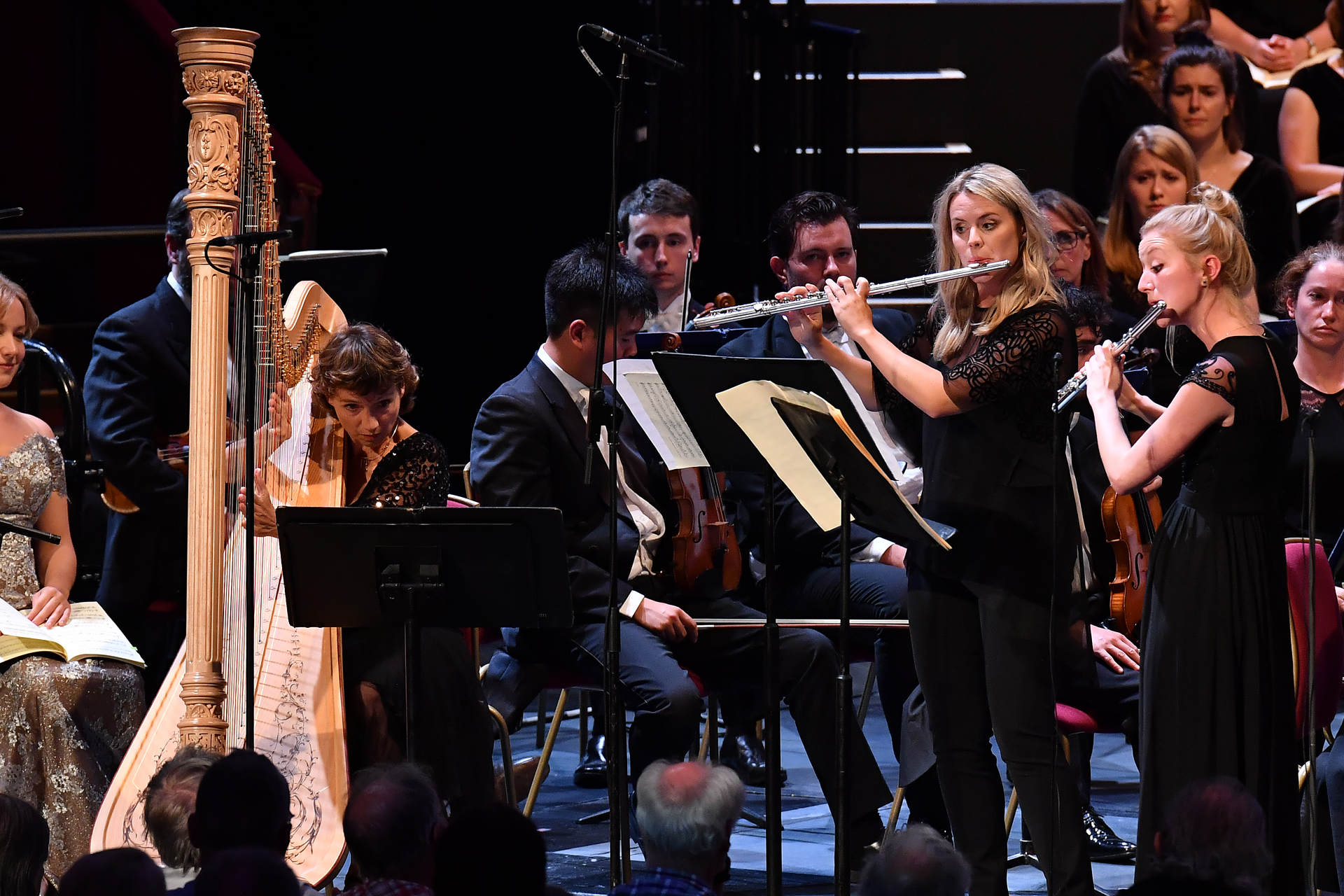 The discreet crowning glory was the benediction of the heavenly semichorus and chamber organ up in the gallery. Berlioz would have loved it. Similar miracles in working with what is, to say the least, an unusual acoustic added to the sheer pleasure of the 10.15pm complement to Berlioz, though it seemed wisest for this one to move down in to an arena that had been disarmingly under-populated for the earlier event, and to stand near the front.
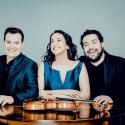
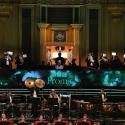
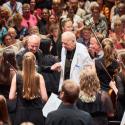
This was no late-night meditation but a joyous cluster of Bach masterpieces celebrating the heavenly forces' triumph over the infernal serpent - Michaelmas, the feast being celebrated here, is six weeks away - and delivered in theatrical style by the Solomon's Knot Collective (to give them their full title; pictured below). In performances as bracing s these, you could only marvel as usual at the sheer range of human emotions Bach covers in four works essentially dealing with the same theme.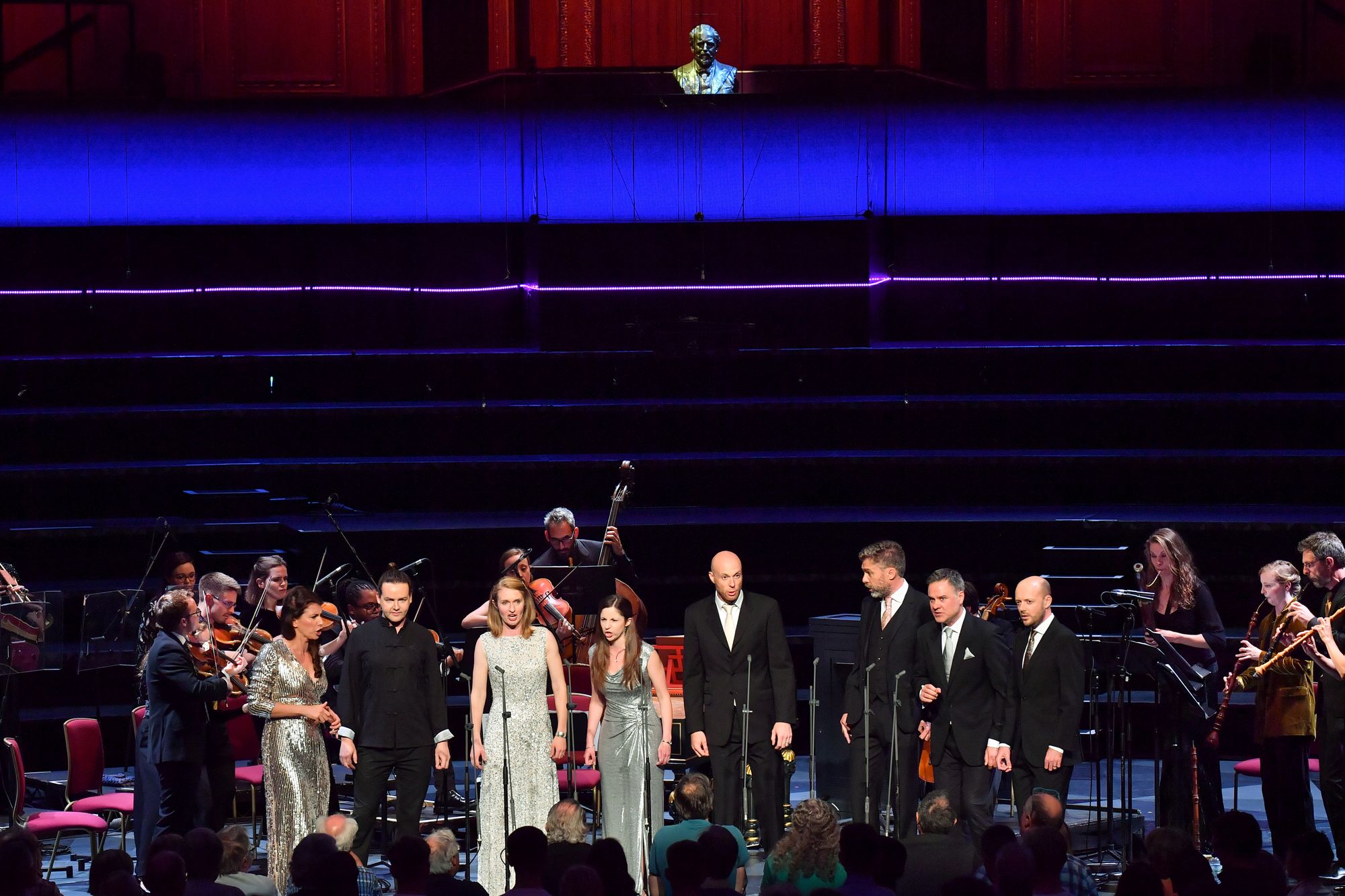 That meant the peerless silvery sound of four authentic trumpets, magical in this venue, in each work, but there were the usual contrasts in arias and duets; Bach never repeats himself. Not all the choral singers should really be tackling these solos – my addiction to the Helmuth Rilling complete cantatas edition on CD stems from a certain disenchantment with some of the sub-par early-music voices on the Gardiner, Koopman and Suzuki cycles – but four of them cut the mustard, and even those who didn't got away with it by virtue of their collegial rapport with unusual instrumental combinations.
 The vocal standouts were tenor Andrew Tortise alongside a heavenly woodwind consort in "Bleibt, ihr Engel" ("Stay, ye angels") in Cantata No. 19, opulent bass Alex Ashworth with serpentine continuo support in "Kraft und Starke" (" Might and power") and soprano Zoë Brookshaw in "Gottes Engel weichen nie" ("God's angels never retreat"), its halo of strings and the perfect, spacious tempo taken casting us back to Berlioz's grounded, tender world, both in Cantata No. 149.
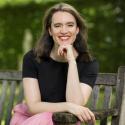
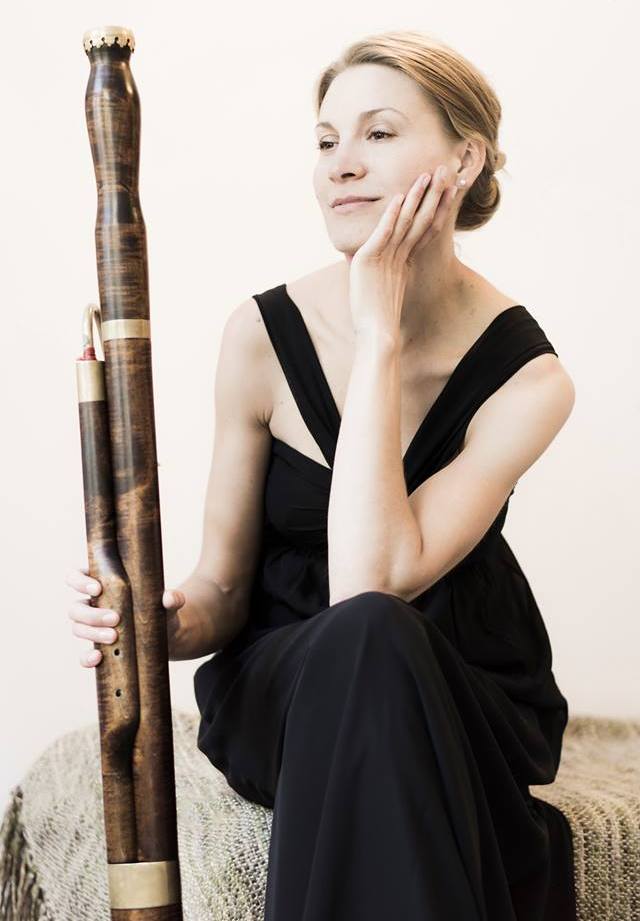
Biggest star of the evening - something of a paradox, I know, given that conductorless Solomon's Knot is a collective and all about ensemble – was bassoonist Inga Maria Klaucke (pictured above by Yatho Photography and Music), interposing herself statuesquely between alto Kate Symonds-Joy and tenor Thomas Herford in the semi-comic duet "Seid wachsam" ("Be wakeful"). This wasn't the only place where one wanted to laugh out loud; never forget Bach had a sense of humour. And how engaging these singers are, conveying the meaning without the music in front of them. The polyphonic blaze of the chorale "Nun is das Heil und die Kraft" ("Now is come salvation and strength") which is all that remains of Cantata No. 50 sent us dancing out towards midnight. Sheer joy.
- Listen on the BBC iPlayer to Prom 37 and Prom 38 for the next month
- Read more classical reviews on theartsdesk