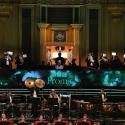
Mahler, who like most of us thought Bach was “the greatest of them all” and studied in depth the edition of his complete works, would have been delighted by last night’s extravaganza – a true celebration of what makes the Proms the much quoted “biggest music festival in the world”. Only two Bach oratorios – cantatas in all but name – could possibly follow, after a sizeable break for supper, the Mahler symphony, his Second, which ends in such a blazing resurrection. It’s disappointing, then, to record that while there was so much to enjoy in both concerts, the expected transportation on angel wings was only fitful.
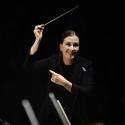
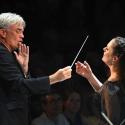
John Eliot Gardiner’s problem was his far from forthright soloists, enfolded by rollicking chorus and orchestra; Mariss Janson’s the opposite, that in his case the outer movements needed to blaze much more. There is absolutely no doubt that he has built on the sound of the Bavarian Radio Symphony Orchestra to make it one of the world’s great ensembles. You could tell that from the opening earth-shudder of strings, the outstanding flute and trumpet solos, the impeccably balanced brass chorales.
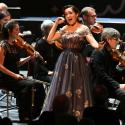
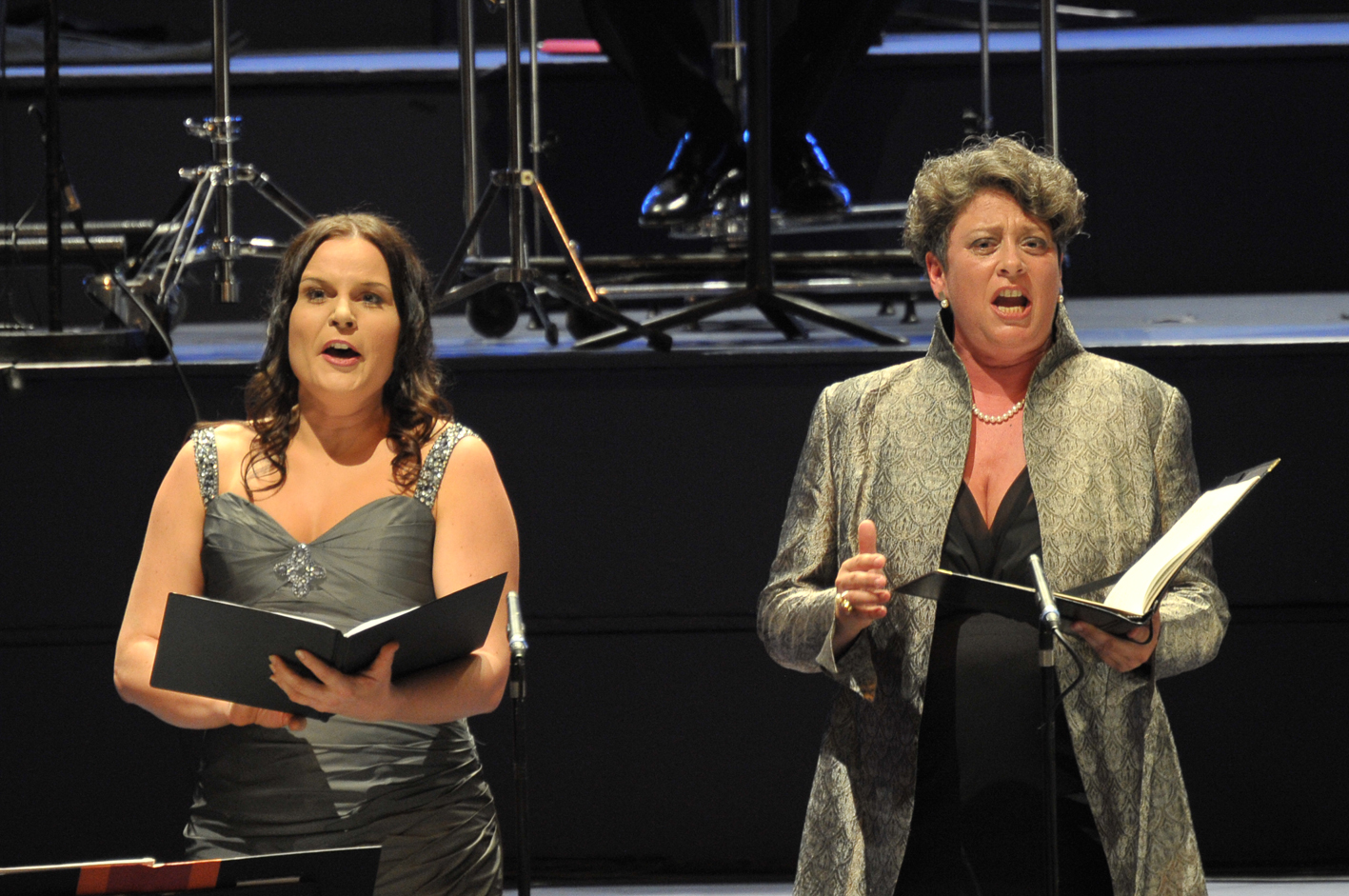 The old-fashioned intermezzo-minuet may have been a little faster than usual, but I liked that; orchestral sophistication came hand in hand with a Bavarian easy-goingness, a gemütlichkeit, which is the next best thing to Austrian Ländler lilt. The fish who listen to St Anthony’s sermon in the song on which the third movement is based, and who slither off without having learnt anything, were supreme watery waltzers, their earthly vanity dispelled by the majestic-maternal tones of a world-class mezzo I haven’t encountered before, Gerhild Romberger (pictured right with equally fine soprano Genia Kühmeier), in the celestial song of “Urlicht”.
I’m glad Jansons took the injunction of an isolated position for the brass here to have them coming, as it seemed, from behind the orchestra. As were the judgment-day solos and Keystone Cops bands of the vast final canvas. They could, though, have been more imaginatively spread around the hall as their had been in Donald Runnicles’s orchestrally superlative performance of Wagner’s Tannhäuser the previous Sunday; and their impact was relatively flat and mundane.
Jansons was in total control of all his forces, but he never lit rip in the great blazes at either end of the symphony. This, you felt, is how his interpretation has always gone; he may have performed what ought to be a special-occasion piece too many times with these players, most recently (too recently?) in Salzburg. The professional singers of Cologne and Bavarian radios could not have given us a more refined pianissimo on their magical entry, or a better body of sound from the men at “Bereite dich zu leben” (‘prepare youself – to live”). But I felt with them exactly as I had with the Berlin radio choir in Rattle’s Britten War Requiem – that actually there’s no substitute for cohorts of amateur choirs all singing with a real sense of the momentous. This performance as a whole left me admiring the sounds, the flow and the balance, but emotionally completely cold.
Turn the page for Gardiner's Bach
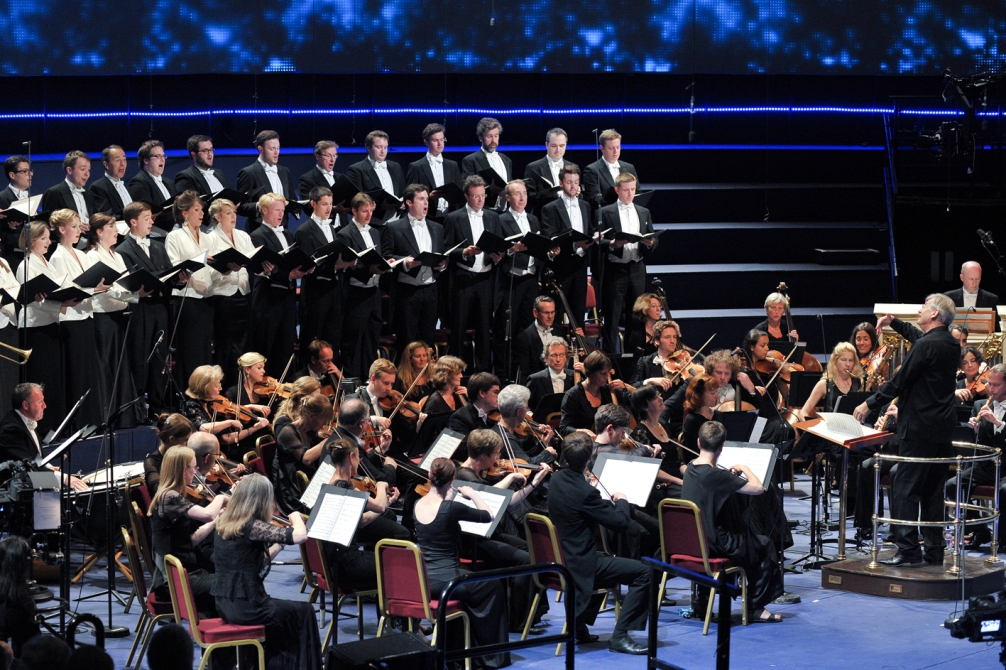
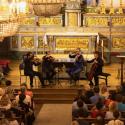
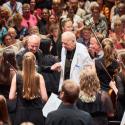
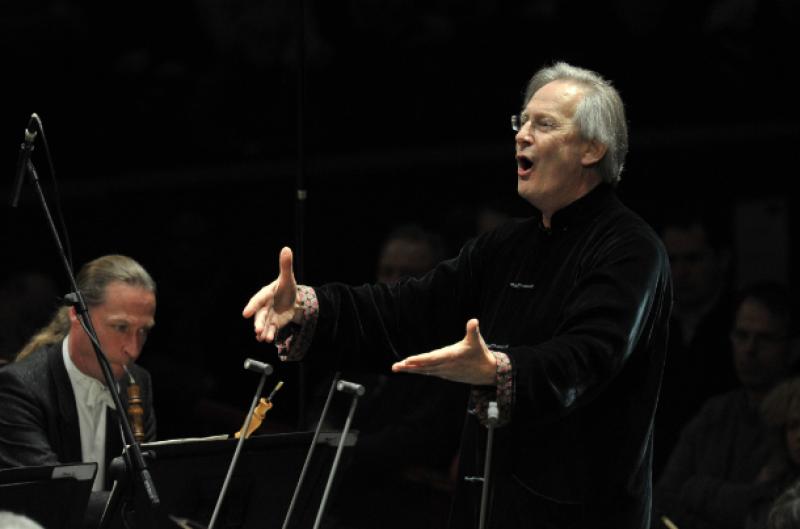
Which I’d never say of Gardiner’s Bach. The Monteverdi Choir and English Baroque Soloists capped by three refined trumpeters had so much to celebrate and dance about in the outer portions of the Easter and Ascension Oratorios – which they did with relish of every accent, every unexpected turn of phrase or modulation. Anticipating the always unorthodox combinations of instruments in Bach's more intimate moments, I melted at Michael Niesemann’s oboe over sighing strings in the unusual slow section to the Easter Oratorio's opening Sinfonia (Niesemann to Gardiner's right at the Bach Marathon earlier this year below) and to Rachel Beckett's flute for the long soprano aria.
 Yet I soon drifted away from Hannah Morrison’s sweet, boy-treblish but anodyne and sometimes undersupported delivery here. In the Albert Hall, as the Wagnerians realized, every word has to be freighted and projected with special meaning, and only the occasional pretty sound came across here.
Nicholas Mulroy’s tenor was better in recounting the gentle slumber of death, but when Bach’s writing descends on “schlummer” (“sleep”), little emerged. But how beautiful the sleepy instrumental support, as in the more joyous soprano aria of the Ascension Oratorio. Meg Bragle was the best of the three, this time with the kind of distinctive chest voice I miss in counter-tenors, but the voice still needs joining up. No doubt all will sound better on the radio. But Gardiner’s recorded cantata series has also sometimes been scuppered by choral rather than operatic soloists, and so it nearly was here. But no-one could fault the musical dancing or, most moving of all, the very restrained chorale at the heart of the Ascension Oratorio.