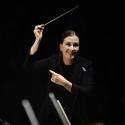
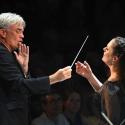
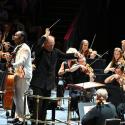
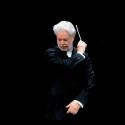
Few 87-year-olds would have the stamina to conduct over 100 minutes of Mahler. Bernard Haitink, though, has always kept a steady, unruffled hand on the interpretative tiller, and if his way with the longest of all the symphonies, the Third, hasn't changed that much since his first recording made half a century ago with his Concertgebouw Orchestra, there's still reassurance in the sheer beauty of the music-making. Not the excitement, mania even, you might expect from younger conductors in the outlandish opening movement, but it's quite something to know at the start that the end, in the form of the great Adagio, will crown the work; Haitink has always been one of the few who know exactly how to shape it and light it from within.
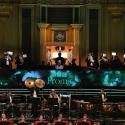
There should be celebration enough in that this is Haitink's 50th year at the Proms. I first heard him conduct my first live Mahler there, the Second Symphony, in my first Promming year, 1978, though disappointment came from having queued too late for a place in the Arena; it taught me that the Gallery is a no-go area if you want the full experience. The long queue stretching round the block ten minutes before the concert's start last night was mixed up, apparently, and many of the Prommers may have been waiting for the Bowie tribute at 10.15. Whatever the case, this must have been a record evening for Proms attendance.
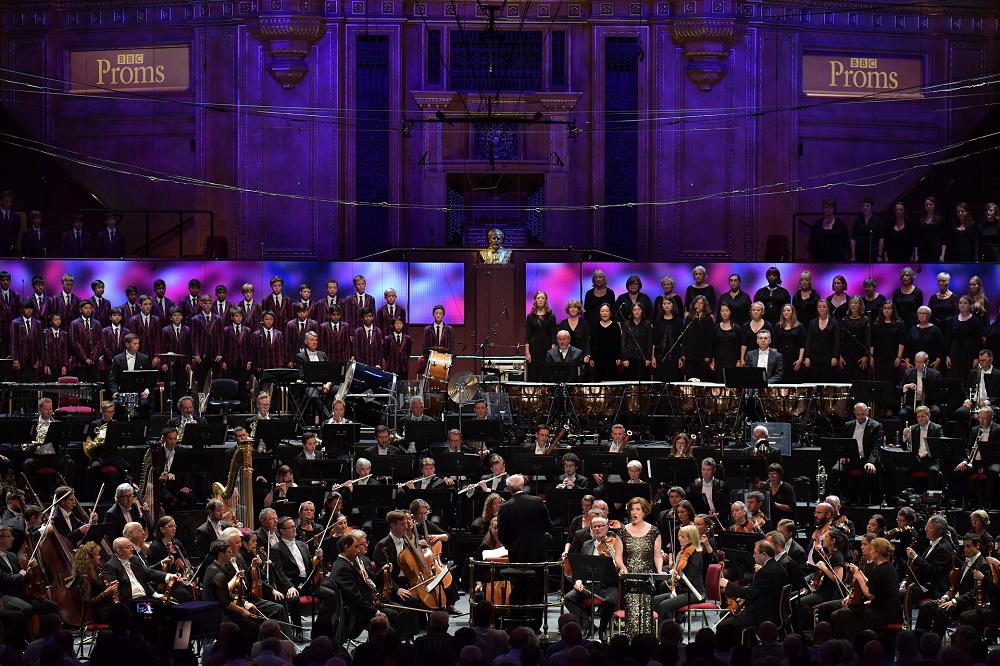 The Third is perhaps the Mahler symphony best suited for the caverns and recesses of the Albert Hall, and Haitink’s freshest aspect these days is in adapting to orchestral sound and venue (one player told me how he always gets the orchestra to play through the work to hand first and bases his interpretation on what he hears - not as common a practice as you might expect). LSO horns resonated into the colosseum’s space in that godlike opening unison, Haitink giving the second phrase just a little more room. All solos were full, dramatic, polished: that a trombonist (Dudley Bright, none better) at one o’clock in the circle can make a listener at seven o’clock jump out of his skin says it all.
The most transcendent moment came not, for me, in the finale, however ineffably done, but as the Flügelhorn (Nicholas Betts) sounded not from the depths of the forest in the wild-beasts scherzo but hovering with its uniquely mellow tone above. (Only once, incidentally, at Lucerne, and presumably at the Proms too when Abbado’s superband made its only visit, have I seen the Posthorn Mahler finally seems to have decided he wanted – a mini-horn rather than a relative of the trumpet).
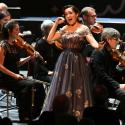
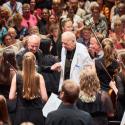
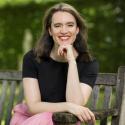
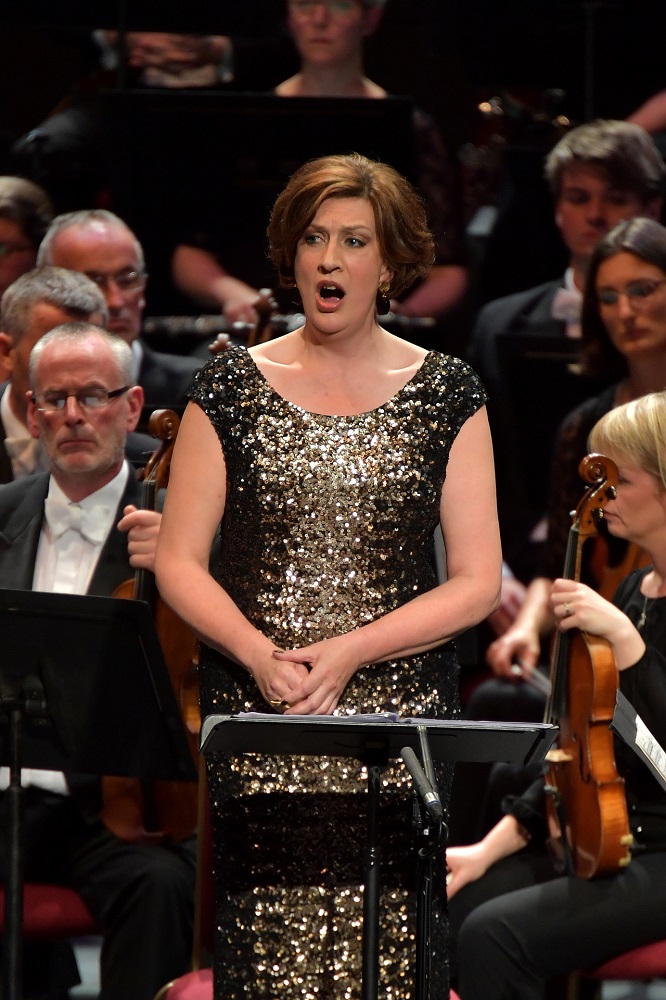 Follow that? Fresh from singing Fricka at Bayreuth, mezzo Sarah Connolly (pictured right) did, absolutely, with equally luminous projection, this time of Nietzsche’s midnight text, from the front of the platform. Tiffin Boys were brighter than London Symphony Chorus ladies in the matutinal bell song which so strikingly follows.
It seems churlish to have any major reservations at all given the incandescent detail of this very special performance, but I did miss the way the ragged-trousered summer marchers of the first movement go berserk; Haitink seems to prefer leisurely symphonic abstraction when Mahler clearly had a programme in mind (he was always ambivalent about such things). And if this soul did not fly with the final Adagio, given such perfect inwardness of string sound and such phrasing, that may have been a personal thing.
Certainly the jewel-work of a movement seemingly as inconsequential as the flower-minuet made me look forward to French music, another Haitink speciality, in the shape of Ravel’s Daphnis et Chloé, which he’ll be conducting in November with the Royal College of Music Symphony Orchestra and Chorus just down the steps from the Albert Hall. A veteran should always keep an eye on the coming generation of musicians, and that’s another string to this great man’s bow.