In the 27 years since he first conducted Mahler’s Ninth Symphony, Sir Simon Rattle has steadily integrated its moodswings and high contrasts into a reading of a piece which now feels more than ever like the work of a man engaged in a form of symphonic stock-taking – before, in the Tenth, setting out on bold new paths. Previous hits are revisited, too: in the second movement, Mahler returns one more time to the well of his beloved Scherzo form, back to its appearance in the First Symphony, and further back still to Berliozian implications of symphonic autobiography.
A masterful display of tempo manipulation from Rattle created a virtuoso exercise in jamming together country dances and urban waltzes, and observing dispassionately what happens when they collide, with the kind of sharp-eyed melancholy we may imagine without much effort in the mind of the child Gustav, peering through the grimy windows at the low-life punters of his father’s down-at-heel tavern. In the Scherzo’s climax and collapse, the waltz of the Symphonie fantastique received an unsparingly grotesque makeover as a precursor to La valse of Ravel.
Colour has become a prime vehicle for expression
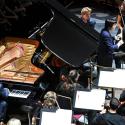
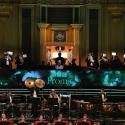
Rattle can now do things to – and with – this music that don’t depend for their effect upon extremes of speed, or even dynamic. His trademark pianississimo was kept in the back pocket for the intimations of extinction that close the symphony’s first and last movements. Colour has become a prime vehicle for expression. The first horn was encouraged to take risks with diminished, deathbed tone in the symphony’s halting first bars. String lines were dessicated to a husk then infused with warm, Brahmsian sunshine. Extending the apron of the stage and pulling the orchestra out into the main body of the hall continues to work wonders both for the sound of the LSO, playing with visceral impact to its strengths, and for the much derided Barbican acoustic.
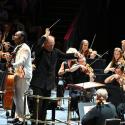
The manic, self-immolating counterpoint of the Rondo-Burleske demands, and here received, feats of legerdemain in orchestral balancing. Mahler was, after all, the greatest conductor of his age, esteemed as such even by those who couldn’t stand his music. There is a relish bordering on sadism for the gauntlet laid down by its moto perpetuo polyphony: Mahler dares the conductor to hold the line and pull out the voices that matter. Even more than in their Sixth together last year, Rattle and the divided LSO violins brought to mind a monstrous, phantasmagorical string quartet, always underlining how often the seconds carry the meat of the argument.
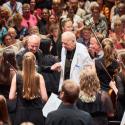
 More impressive still, in its unobtrusive way, was the self-denying skill and restraint of the eight-strong bass section at one of the score’s weirdest and most modern moments. Towards the end of the first movement they are required to accompany a single flute (Adam Walker, simply outstanding all night, and rightly brought to his feet by Rattle) and horn as the two winds reprise the “Bird of Death” dialogue from the Resurrection Symphony – only now with the world-weary, mingled regret and resignation of one who has taken the hard knocks – including, as he began work on the Ninth, news of the heart condition that would kill him.
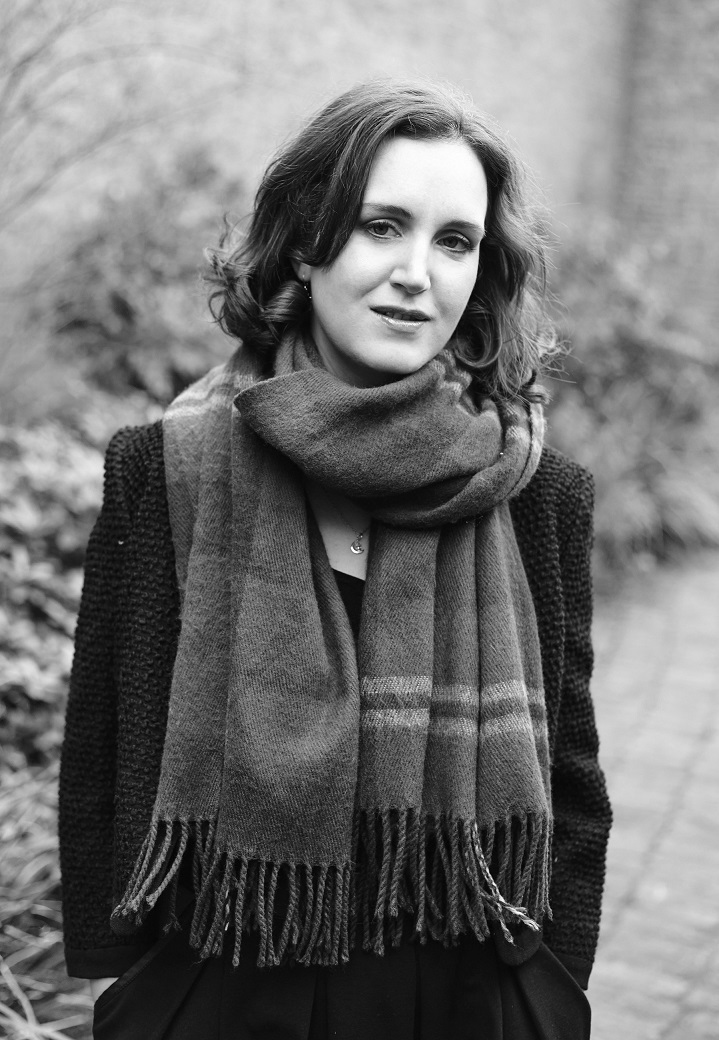
The evening opened with the second performance (following its premiere last week) of Woven Space: in the words of programme-note writer Paul Griffiths, "a compact, brilliant and energetic symphony". Helen Grime (pictured above by Amy Barton) has composed astutely for her commissioned forces. This is Rattle’s kind of new music, driven forward by, if not excessively reliant upon striding pedal points and skittering ostinato figures. The piece grows appreciably outwards from a slow, rocking branch of an idea planted at the opening of the central movement. Grime has never been one for protracted closures, and the thrust of Woven Space is abruptly cut off at its knees, though one suspects that the harmony has run its course to that very point with the kind of structural ingenuity and economy that would have raised a dry nod of approval from Haydn.