

To compose a masterpiece in your teens is rare enough; to choose the most elaborate form in chamber music, an octet for eight strings, ensures a peculiar kind of immortality. George Enescu, a still-underestimated genius described by protege Yehudi Menuhin as "the most extraordinary human being, the greatest musician...I have ever experienced", thought in complicated and unique ways at 19, leaving to posterity a difficult and elusive work. 16-year-old Mendelssohn, on the other hand, served up a feast of sheer delight, which can't fail in a good performance to leave you feeling buoyant.
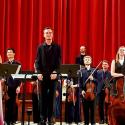
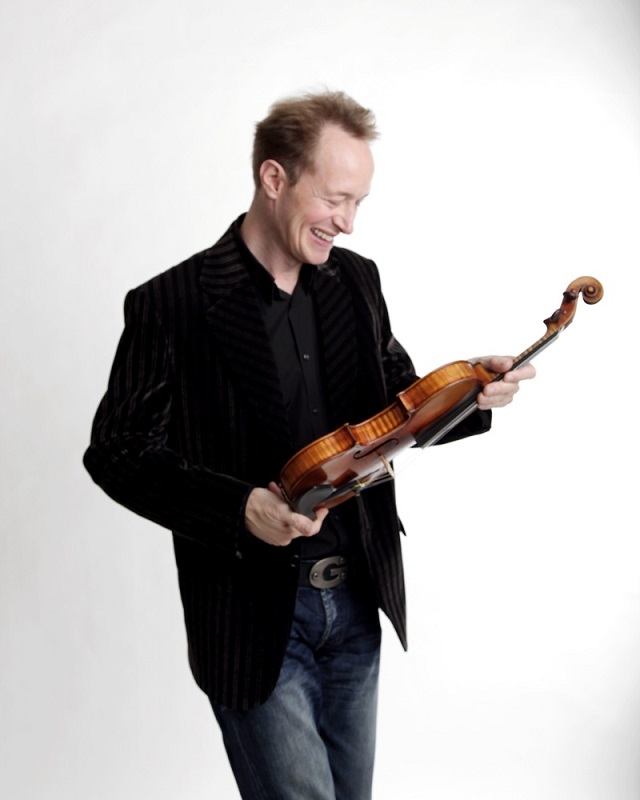 Intriguingly the eight players at the Wigmore Hall last night left the greatest impression in the darker and more troubling colours of this E flat treasure. There was ardour here, but less of the sheer joy I encountered in a dazzling performance at the East Neuk Festival combining young artists from the annual Retreat with their mentors and led by the supremely cultured Benjamin Baker. Great Anthony Marwood (pictured left by Pia Johnson) soared to the heavens here with refulgent tone, but a tad unsmilingly - you want to see as well as hear the pleasure taken.
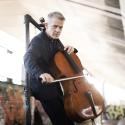
It wasn't until the heart of the first movement that the right emotional note - by which I probably mean no more than one I expected - was struck. But then the team made so much of the shadows in the Andante and the dematerialising at the end of an initially less-than-supernatural Scherzo that you quickly yielded to the mastery. And that stunning fugal writing by the young Mendelssohn at the start of the finale is all the more delectable when the eye travels so swiftly from the cellos on the right (Richard Lester and Christopher Murray) across the staggered entries to the first violin on the left. The richness of the whole was gilded by the oaky timbre of top viola-player Lawrence Power at the core of the ensemble.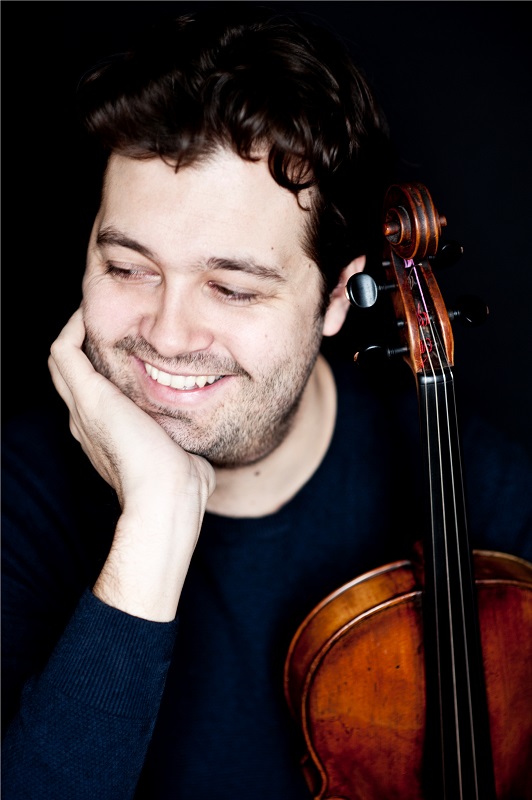 Power (pictured right by Giorgia Bertazzi) had a more significant solo role to play in the endless and unusual melody of the Enescu Octet, first in canon with Marwood's ever more sophisticated lines and then switching from bold projection to a distant, viola-d'amore-type voice in what feels like a slow movement but is actually another episode in the complex but always dance-flowing first movement. So full of wonders was it that you wanted to catch some of its ideas again, rewind back a minute or two.
The most sustained meditation is the third movement - a hypnotic throb where at first the super-subtle Isabelle van Keulen took the lead before Marwood came to the fore again. And although the fierce waltz-finale - another of those turn-of-the-century dances which drives close to the abyss to come but pulls itself back to assertice triumph - revives the second movement's coincidental shades of Schoenberg's sextet Verklärte Nacht, massive good humour revives to give a Beethoven-like sense of one prospective end after another. This is a work which deserves to be right at the core of the chamber repertoire. Due, though, to the harmonic waywardness which deprives the listener of clear orientation in the abundance of melodies and to the fiendish amount of rehearsal time which certainly paid off here, it seems likely to remain a rare visitor from another planet.




Add comment