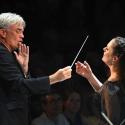
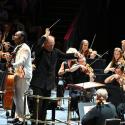
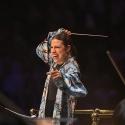
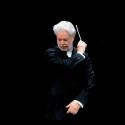
"It’s all very well, but you can’t call it a symphony". So said William Walton of Mahler’s Third, all six movements and a hundred minutes of it. Jakub Hrůša conducted the Philharmonia last night on fine if hardly infallible form in a performance notable for its restraint in a work remarkable for the excess which raised Walton’s eyebrow.
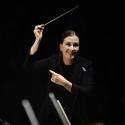
There is a Czech tradition of Mahler which means something in the Third most of all his symphonies. Not for Kubelík, Neumann or Běhlohlávek the heaped-up schmaltz or knife-edge Modernism of Mahler from further West. Hrůša is eminently worthy of that tradition. Without fuss, he let the Philharmonia play, and they did. Both his feet might have left the podium at several points during the first movement – he is 34, after all – but this Third stayed close to the ground. As well it might, for the symphony is fuller than any other of Naturlaut, the tweets and rustles of his childhood on the edge of small town and big country.
The best performances of the third-movement Scherzo spirit you off to a Bohemian forest. There is Mahler, silent, in an ecstasy of regret and nostalgia for brothers lost and cuckoos in the nest. Not last night. Christian Barraclough’s offstage posthorn was too near by half. Mahler’s encoded memories of oompah bands and tired waltzes were present and correct, but too correct, without threatening the pinpoint literalism of, say, Mariss Jansons, which is memorable on its own terms. Perhaps lack of rehearsal time was an issue in a piece that needs some pulling together.
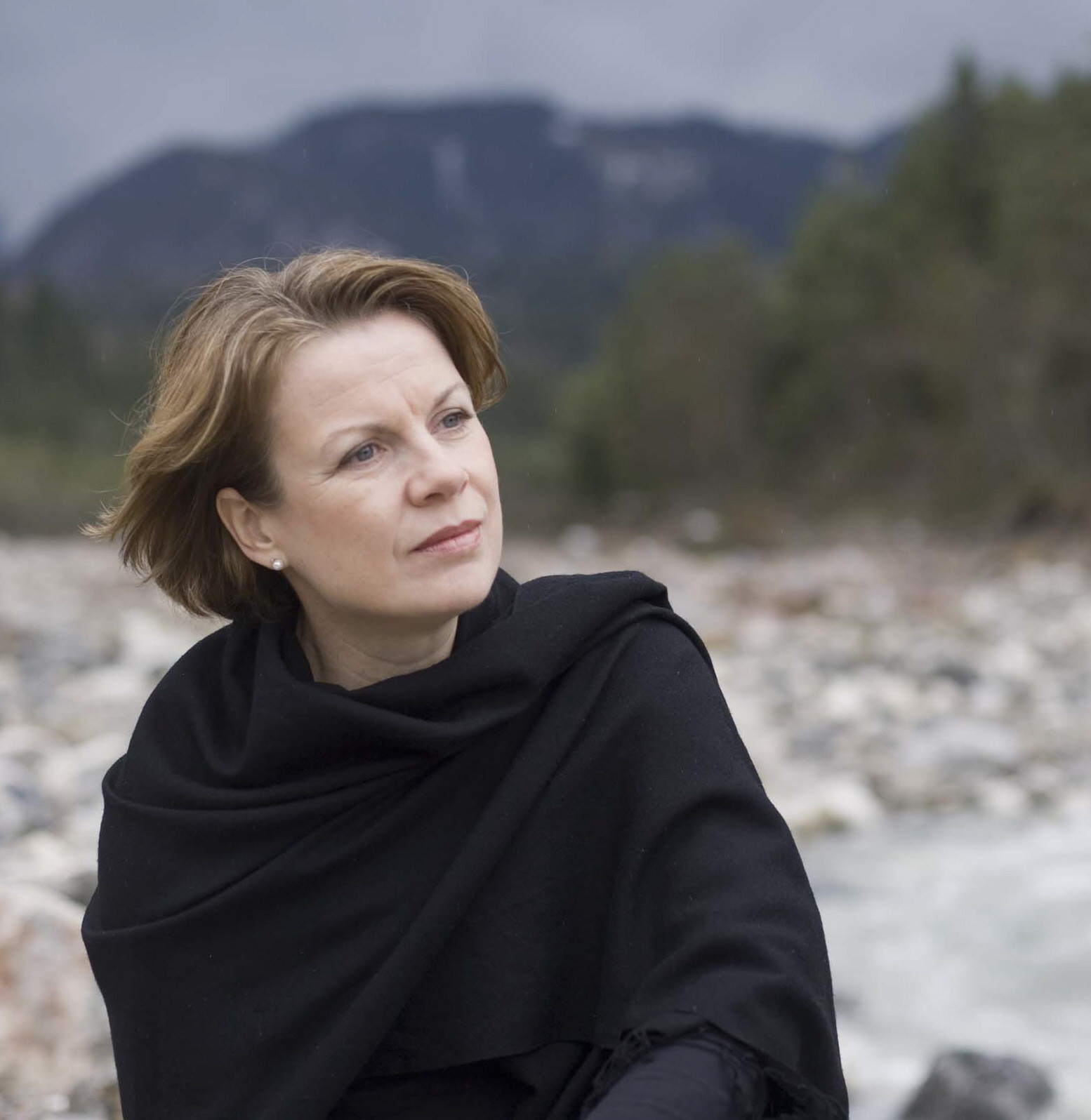
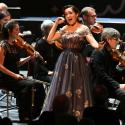
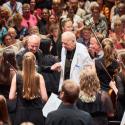
Bernarda Fink (left) raised the tone, as often singers do in an ordinary performance of this extraordinary symphony, by narrowing the focus from universal wide-screen to a timely close-up on Man. Mahler the conductor must have tapped Mahler the composer on the shoulder one morning in his subalpine hut. He could foresee how a symphony as long as a long Wagner act might want rescuing at a point when even Bruckner calls it a day. Fink is still vibrant in the lower range exploited by Mahler for his ever-surprisingly perverse misreading of Nietzsche’s Zoroastrian ode to a humanist vision of oblivion; she commands a stage-whisper as much as an impassioned plea, warm and yielding much as Christa Ludwig used to be in this movement.
The boys of the Tiffin School and the ladies of the Philharmonia Voices were pert and clear as a bell, the best thing about a heavy-legged fifth movement that gave a wide berth to its shameless kitsch. The Philharmonia strings issued a tender reproach to such reservations in the opening minutes of the finale, but with Mahler’s turn to the minor, the ensemble frayed and the tension dropped. Hitherto understated, Hrůša pulled out some greasepainted transitions between the hymn of love and its wrench back to the first movement’s state of nature in the raw. When redemption came, it was dragged out forever. The end of the Third can feel like the mother of all symphonic climaxes. This was her aunt. Tonight, Walton was entitled to his cheap quip.