

Not your usual blockbuster for Holy Week, this. In other words, neither of the Bach Passions but a Requiem, and not – these days, at any rate – one of the more often-performed ones (it's not among the 79 works listed in The BBC Proms Guide to Great Choral Works). Dvořák's laments and optimisms may not soar as consistently as Verdi's, but the (late) style is invariably the man here, and the pay-off for a broken back in the early stages is a bigger healing later on and a final cathartic lament. Certainly no conductor could be more devoted to Dvořák's steady wonders than the great Jiří Bělohlávek, formerly the BBC Symphony Orchestra's chief conductor and now at the helm of the Czech Philharmonic
Who knows, the stop-start nature of Dvořák's opening Requiem sequence and Dies Irae may be intentional. At any rate, when he tries to get beyond the keening four-note figure which dominates the work – its notes identical to Bach's Kyrie fugue theme in the B minor Mass – he seems to falter. Lack of true inspiration or overwhelming grief? The first entries of horn and individual woodwind – surely the BBCSO's remain London's best – left me moist-eyed, and you'd recognise that idiom, even when so sparely scored, as vintage Dvořák (how, in later years, he relished the addition of the cor anglais to the ensemble). There's a heart-stopping treatment of the motto in the "Tuba mirum" sequence, achingly harmonised and echoed offstage.
 The contributions of the solo quartet here are always supported by unusal scoring, with quirky little figures and twists throughout, but they refuse to take off (again, this may be deliberate on Dvořák's part). That Bělohlávek made decided breaks between Dies Irae movements didn't help the continuity. And the judgment-days choruses are belligerently foursquare. The Barbican isn't the best venue for large choral forces, but you couldn't fault the BBC Symphony Chorus – also at the top of the London list – for inflection or togetherness.
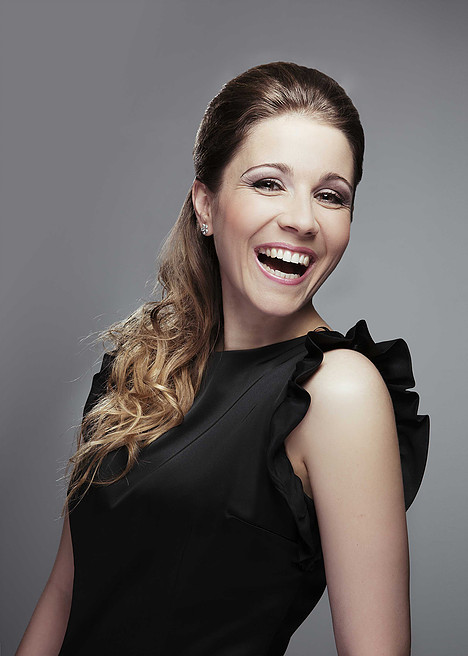
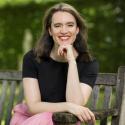
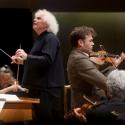
One very ordinary choral fugue apart – "Quam olim Abrahae", where Dvořák's true voice retreats behind conventional writing for his Birmingham-based choristers in 1890 – the second part of the work hits the heights and depths. It was here that sympathetic soprano Kateřina Kněžíková (pictured above by Pavel Hejný) rose to the biggest challenges – lyric, limpid but always capable of projecting above large forces. We had two British replacements for the originally advertised mezzo and bass – experience in the form of Catherine Wyn-Rogers, and a fully-fledged, already great sound from young James Platt – and a perfect Czech tenor, Richard Samek, whose brief idyll with solo violin (Stephen Bryant, clearly pained by Samek's iron handshake at the end), harp and flutes we so wanted to linger – but this was only another fugitive vision.
In the spellbinding variation on the four-note motif at the heart of the Sanctus, though, flawlessly taken by the three upper voices of the soloists a cappella, followed by Daniel Pailthorpe's dove-like flute, we had ethereal lift-off. And the final joining together of Dvořák's decision to re-use the "Pie Jesu" text from the Dies Irae and a complex Agnus Dei finds Dvořák's flickering between major-key hope and minor lament at its most magisterial. That's the only word for Bělohlávek's guidance here, too. If so much in the earlier stages of the work seemed interesting but not entirely successful, here was masterly crowning glory.



Add comment