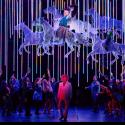
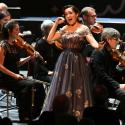
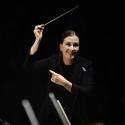
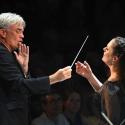
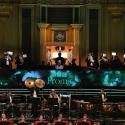
Light and grace must flood the concert hall in Haydn’s The Creation, after a striking-for-its time evocation of Chaos, and periwigged creatures skip around the Genesis picture. With Edward Gardner keeping the London Philharmonic Orchestra and Chorus on their dancing toes, as ever, and three fine soloists carrying the creatures’ share of the beauties, it was a good time for happy creativity.
Happily, too, Haydn inclines more in this often intimate oratorio to the instrumental originality of his symphonies than to the strangely vacuous world of his operas. You still sometimes feel that the arias, duets and trios lack real personality, however pretty, so it was vital to have the individual takes of national treasures Louise Alder and Allan Clayton. The tenor has a way of making certain lines and phrases his own, like the elegant ending of “In native worth and honour clad”, and the knowing wink at Uriel's departure, warning Adam and Eve not to “strive for more than granted is, and more would know, than know ye should” (Haydn probably wouldn’t have been the best composer to illustrate the fall, and this is the only hint we get in the Arcadian landscape). His familiar sense of introspective improvisation in the moment gave us perhaps the most moving moment in the work, Uriel’s evocation of “the blissful pair” at the start of Part Three, hand in tender hand with three flutes. Here Haydn briefly touches the sublime of Bach, Handel and Mozart. 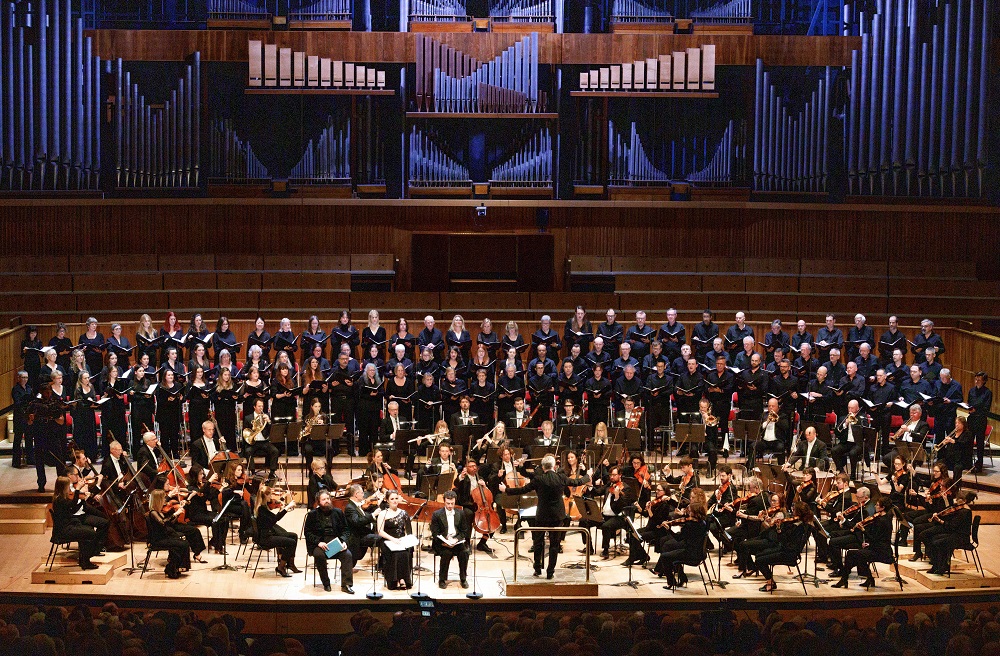 Alder managed the florid beauties of her arias with personable radiance, though perhaps her loveliest moment came in recitative. She lent assurance to young bass-baritone Michael Mofidian in the Adam and Eve duets; it was impressive to find this fine voice gain confidence from a pitchy start. He has many decades ahead to hone and communicate more vividly. Proper articulation of the English text, adapted in Paul McCreesh’s 2008 edition, is vital, and the London Philharmonic Choir put it across superbly. Their buoyancy in the cornerstone choruses was very much encouraged by Gardner’s lift, and if Lyndon Meredith’s bass trombone happened to be pointing directly at my place in the hall, making Haydn’s writing for it seem almost comical at times, his deftness was impressive, too.
The true vocalists in the orchestra are the woodwind, and every natural phenomenon, bird and beast Haydn calls upon them to impersonate was peerlessly done, led by the ever-winsome principal flautist Juliette Bausor and clarinettist Benjamin Mellefont. Haydn’s ingenuity in writing for them seems limitless, and was one of countless pleasures in a delightful, if not quite profound, evening. The Seasons next from this team, please.