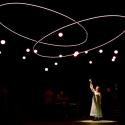
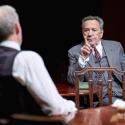
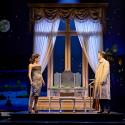
It's nearly eight years since Kåre Conradi first appeared at the Coronet in a revelatory, visceral Norwegian production of Ibsen's Little Eyolf. He's in his middle years, like Peer the temporarily successful entrepreneur of Ibsen's tricky middle act, and in a good position to run the gamut from youthful tale-teller to old man in search of salvation for his ill-tended soul, too weak to go to heaven or hell. These 70 minutes are no "lecture", as advertised, but a spellbinding summary, take, interpretation, as you like it, of the massive drama.
True, we get some background right at the beginning - the weird idea of a Peer Gynt Prize in Norway being named after a trickster (at the end, Conradi makes it clear it should be the Solvejg Prize, after the woman who waits for her man in faith, hope and love), a famous performer of the role who made it clear to Conradi that Peer isn't a liar, he's a poet.
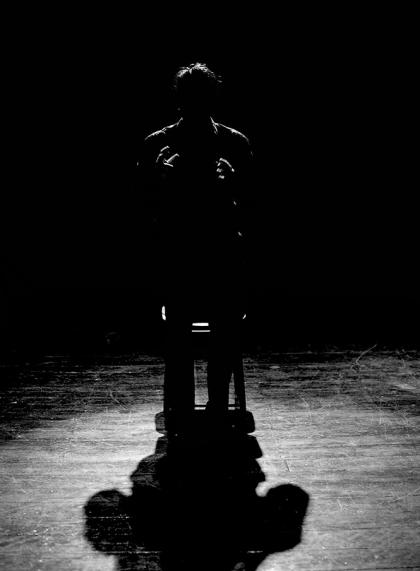
Then we're off on a wild ride of bride abduction, group sex in the high pastures, troll threats, the imaginative guiding of a mother's last minutes on earth and a glimmer of hope which Peer is forced to abandon. Ibsen would surely have approved the ironic observations, a bit like the narrator in Pushkin's verse-novel Eugene Onegin. No need to labour the links with the present of the businessman selling arms to the highest bidder and being worsted in his attempt to exploit the third world. The poetry rather goes under here, but it's always illuminating when Konradi breaks into sing-songy Norwegian; the English, though fluid and idiomatic, isn't best served by murky miking; surely the Coronet isn't so big that Conradi needs artificial help?
The context is otherwise admirably sparse: a chair the only prop, a few telling lighting changes by Anders Busch, only one piece of music, In solitude by Ole Bull, until we get to perfect peace after the gruelling, phantasmagorical last stages of Peer's journey through life and Conradi sings Grieg's "Solvejg's Song", This has very different things to offer from the other best Peers of recent years, above all James McArdle in a so-so National Theatre production and an adaptation by Icelanders who re-learned their roles in English especially for a Barbican visit (so good I went twice), but Conradi has the pacing exactly right on his own terms.