

It’s a sign of the inroads that the term “immersive” has made in theatreland that it now gets jokily namedropped at the Bridge inside Shakespeare’s actual text, when Duke Theseus tells his new bride Hippolyta not to flinch when the Rude Mechanical playing Moon shines a bright light in her eyes: “It’s immersive.”
Is it? I prefer the traditional term for this production’s technique of having a “pit” full of standing audience members who are relentlessly shepherded from raised platform to raised platform. Which is “promenade”. It’s as old as the medieval Mystery plays. But predictably, younger playgoers love bobbing about close to the actors, even touching them and chatting to them (though I did see a couple of teenage boys baulking at holding hands with each other when the prommers were invited to dance in a circle around the space at the end).
Nick Hytner’s production, back after its triumphant 2019 run, probably has more in common with Elizabethan theatregoing than the wannabe modish shows given the “immersive” tag, too, It walks a fine line between reverent drama and lampoon, liberally adding asides (“You selfish bastard”, “for God’s sake”) and anachronisms (triggering, selfies, mosh pit diving) and bending genders all over the place. The looseness of the concept and parallel freedom with the text is probably in the spirit of Shakespeare, if not true to his original ideas.
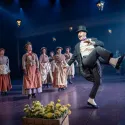
Here, Oberon (JJ Feild) is the gulled immortal who becomes enamoured of an ass, not Titania; Puck’s flower therapy at one point impels the two pairs of lovers into a brief bout of same-sex coupling, as well as mismatching them to the wrong loved ones. Pop culture is everywhere, from the disco-tastic trapeze-artist fairies in lurid frilly knickers and sparkly tops to the street-dancing posse of sweatshirted Rude Mechanicals. Actual pop hits thread through the action — “Je t’aime, moi non plus” takes us into the interval as Oberon’s doctored eyes fall on a yellow boilersuited ass, and “I Can See Clearly Now” almost predictably accompanies his release from Bottom-fancying.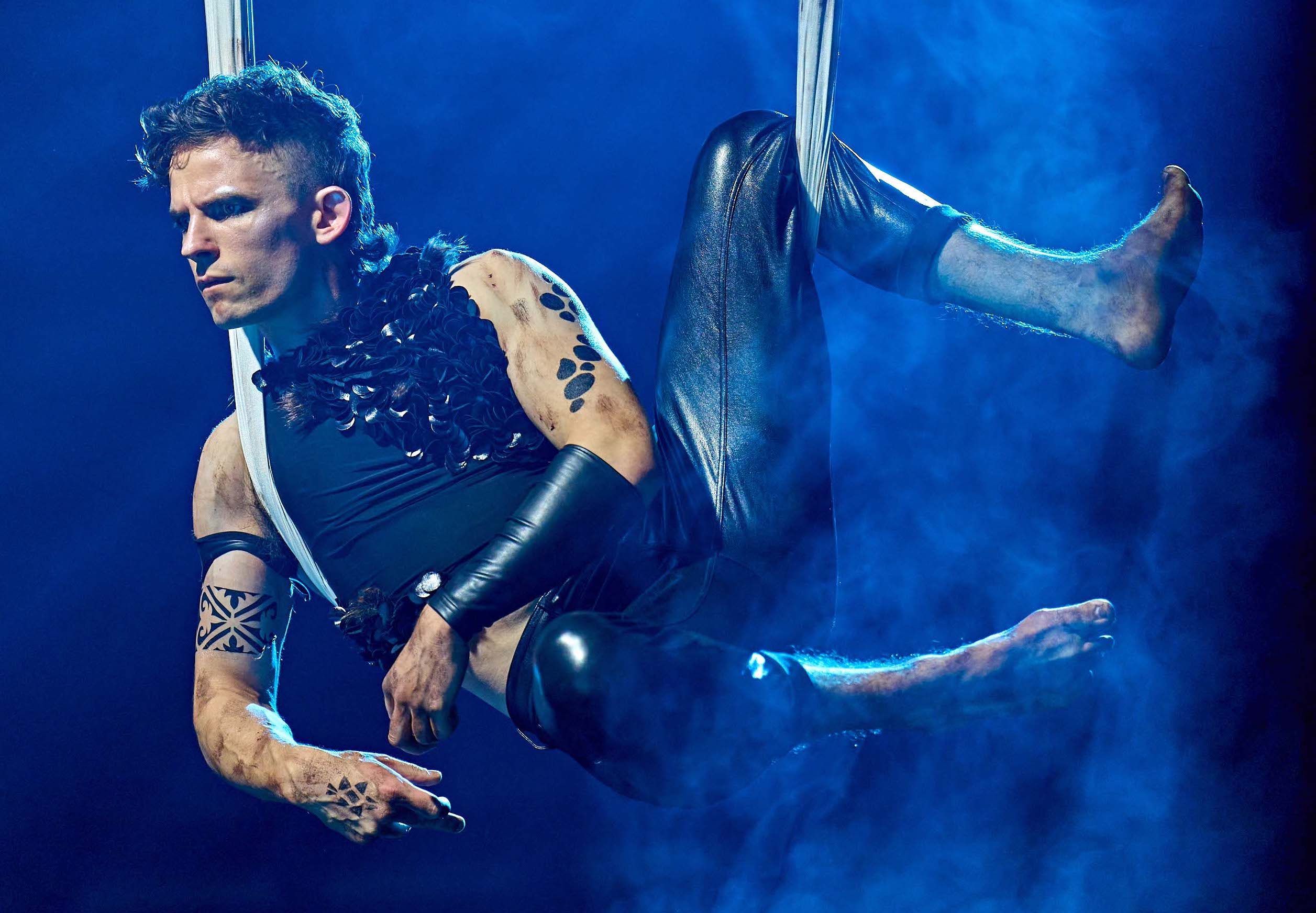 The energy and exuberance of the players is one of the production’s big draws. As before, the fairies cavort overhead on sling trapezes, joined this time by plucky Susannah Fielding as an imperious Titania. Supreme among them is a returning performer from 2019, David Moorst (pictured above), whose leather-legginged Puck is a joy: a snide, acrobatic northerner who chastises the “Londoners” in his way, pronounces fairies as “furries” and relishes his lines, arguably the best poetry in the piece. Some of his exits and entrances make for magical theatre.
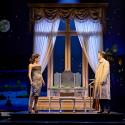
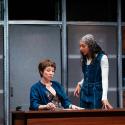
The mortals are represented by a saturnine Theseus (Feild again), who in the first scene seems to have shut up his stern Amazonian fiancée Hippolyta (also Fielding) in a glass box for safe keeping. His Athens is a sinister place where curfews are strictly observed, and you have no doubt death really will be the penalty for parental disobedience. When the duke and his consort reappear later in the hunting scene, her long black leather coat and his black waxed number suggest the antithesis of the glittery immortals they have just been playing.
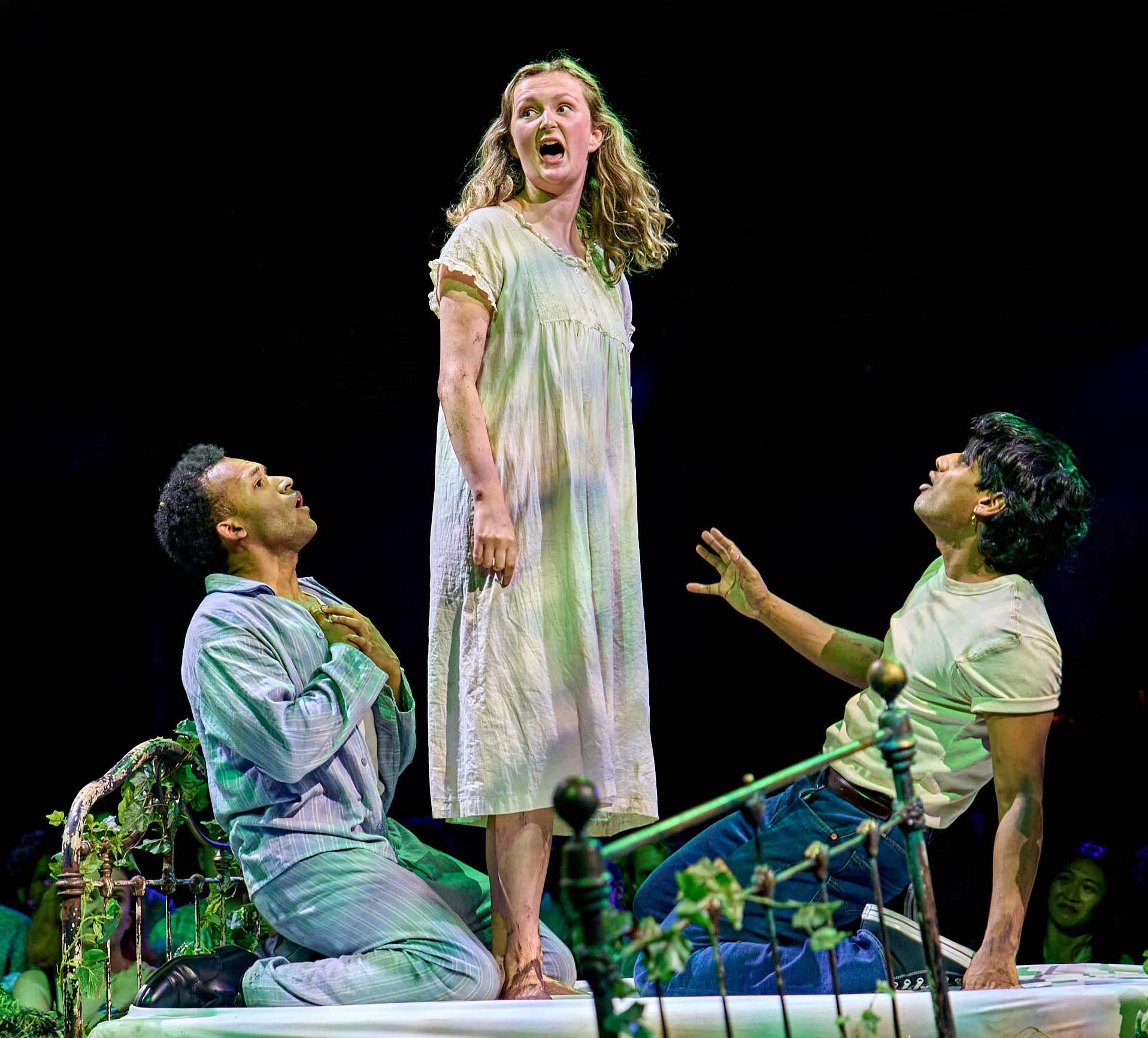 No wonder Athenian Hermia is dressed like an escapee from Margaret Atwood’s Gilead. Nina Cassells plays her with a strength that fits well her description as little but “fierce”. All four lovers are impressively sound deliverers of the text. Divesh Subaskaran (pictured far right with Paul Adeyefa and Lily Simpkiss) is a raffish, smooth-talking Lysander, Paul Adeyefa a nicely defined, mature Demetrius. Earning most of the laughs is Lily Simpkiss’s rangy Helena, for once a true “maypole”, who invests the flustered, chatty lover with an engaging freshness and candour.
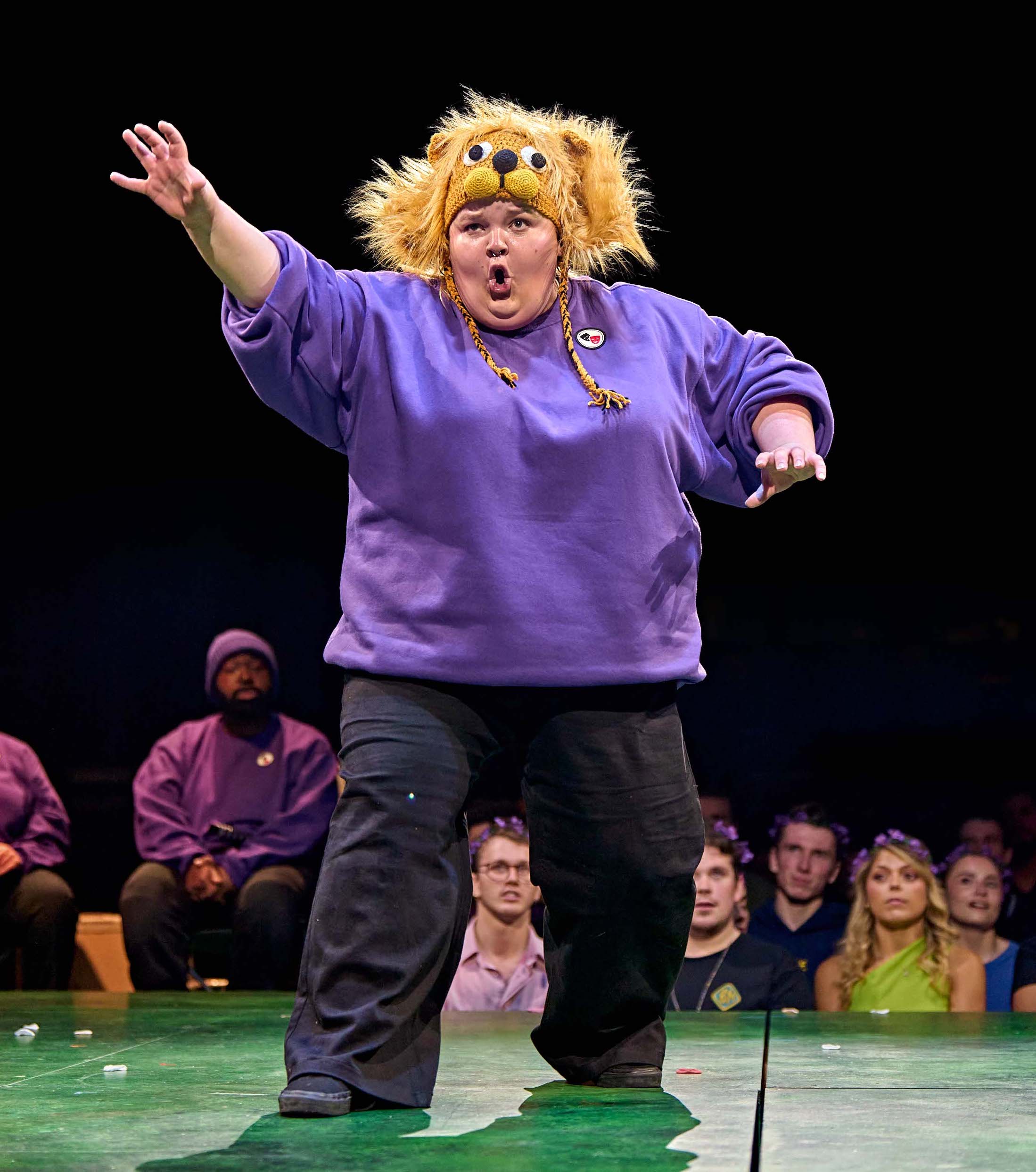
This quartet is almost overshadowed by the mechanicals, led by another returning actor from 2019, Felicity Montagu as Quince, a classic brisk but jolly WI lady. Molly Hewitt-Richards (pictured below) is a funnily pugnacious Snug, a Lion who opts for slugging her prey with her fists; Jem Rose has fun in her debut role playing Snout as a bored teenager. But this group are in turn almost overshadowed by Emmanuel Akwafo as Bottom.
In the role that catapulted Hammed Animashaun to fame in 2019, Akwafo is a similar life force, an intermittently camp Bottom who seems to have workshopped a lot of contemporalia into the role. As he shows off his dramatic range to the palace worthies at the end of his play, he re-enacts the death throes of a string of action-movie heroes in an array of accents, finishing himself off with a plastic light-sabre that plays a tune. The prommers went wild, especially when Moon’s novelty musical Christmas tree and animatronic dog joined in.
 Against all this mayhem, the “straight” actors, Feild and Fielding, have an uphill battle. Fielding’s natural knack for comedy is slightly muted here, and Feild has less of the sneering insouciance of his predecessor, Oliver Chris, an aristo you loved to see brought low, though Feild sports the sparkly budgie smuggler he gets to wear when he and Akwafo share a bubble bath with suitable panache.
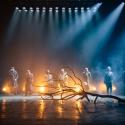
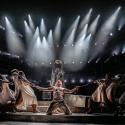
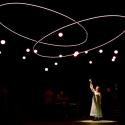
Key to the whole enterprise is Bunny Christie’s staging that, like her designs for the Bridge’s blockbuster Guys and Dolls, deploys every device it can to keep the action, and the promming audience, moving. Platforms with antique brass beds on them rise up and down to accommodate the lovers’ tangles, an ornate double bed similarly serves as the trysting place for Oberon and Bottom, with the aerialist fairies moving around above them on its metal canopy. The actors can be winched far up on their platforms or slings until they re-enter, or whisked away down steps through the prommers, into the darkness.
Hytner and team have given the piece an added pep that one hopes will convert a new generation to theatre-going, even if what they are seeing is drama-as-play. It's never less than entertaining whatever your age, unless you are a Bard-purist.





Add comment