

With mentions of Theresa May, cricket jumpers and DMs, Trump slurs and a host of characters with Northern accents, The Old Vic's return version of Dr Seuss' The Lorax, proves itself to be poles apart from the recent, popular Universal Pictures movie.
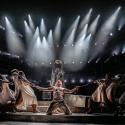
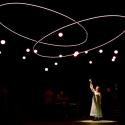
There are no zany Hollywood tricks here – no reliance on anything other than a strong cast, oodles of imagination and the artistic licence allowed by Dr Seuss that creates a cacophany of colours, sound and kooky characters. The entire script is spoken in rhyme; big song numbers burst out of the poetic verse, and dance steps lurk just below the surface of the cast's every move.
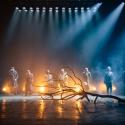
The Once-ler, a young man out to seek fame and fortune, ignores the wise words of his small, beavery-looking friend to nurture the environment and avoid the temptation of greed. Against his better instincts, the Once-ler chops down an entire forest of Truffula trees, and what was once a paradise becomes a steampunk industrial wasteland. 
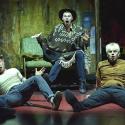
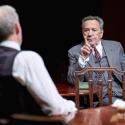
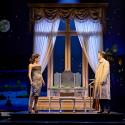
Simon Paisley-Day (pictured above) plays a not particularly likeable, Worzel Gummidge-y kind of character, who really comes into his own in the Burning Man-esque scene of motorbikes and leathers, rocking into a megaphone about his "super axe hacker".
But it's the little orange moustachio'd puppet, led largely by David Ricardo-Pearce (as well as puppeteers for his arms and feet), who really steals the show. In a world of "totes-ing", tweeting businessmen initiating a chain of supply and demand, which leads the Once-ler down a murky road of profit and industrial destruction, we feel for The Lorax, who blindly trusts and suffers so dearly as his beloved forests and families of wildlife are destroyed around him.
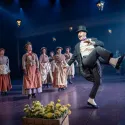
Inventive ensemble work by a close-knit cast sees performers taking on numerous roles, morphing from family members to tropical birds of paradise, leg-kicking lawyers to factory workers ("There Goes a Great Man" is a rollicking good time of a number). While things take a surreal turn with the advent of "Thneed 2.0", and a Gagnam-style romp of a scene, it's clear how far the idea of anything goes idea can be taken, if underpinned by a solid theme.
The over-arching topic of the importance of our environment is one that continues off stage, after the message of how important it is to protect our wildlife has been imparted to young minds. The auditorium is decorated with crafts created by children, telling of why trees are important; ushers hand out packets of seeds so that the audience can nurture and grow the idea that the power of regenaration is in our hands.


Add comment