Is there such a thing as a human right to forgiveness? Nicholas Wright's riveting play about the Truth and Reconciliation Commission (TRC) in post-apartheid South Africa circles around this question, never flinching from revealing the atrocities perpetuated by that vile regime, never quite fully exposing the characters' motivations. As spectators, it demands answers of us. What is the price of your forgiveness? Where is the line between humanity and evil?
A production by the Fugard Theatre in Cape Town and directed by Jonathan Munby, this play was first seen at the Hampstead Theatre in May 2013. It is an adaptation of a book by Pumla Gobodo-Madikizela, a psychologist who served on the TRC, and takes the form of a series of interviews with Eugene De Kock, an Afrikaner police officer who took part in years of murder, assassination and torture in an attempt to uphold the apartheid regime. Gobodo-Madikizela is fascinated by this man, who was nicknamed "Prime Evil" in the press after the full extent of his crimes began to be understood. Her personal association with him began when, after testifying to the commission about his part in the murders of two black policemen, he asked if he could meet with his victims' widows to ask their forgiveness. Intrigued by this gesture, Gobodo-Madikizela begins to visit De Kock in prison (where he is serving two life sentences and 212 years) in order to interview him about his feelings towards his crimes, his victims, and his remorse.
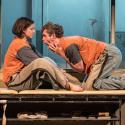
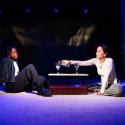
The play gives us a glimpse of the moral frontier of the new South AfricaPart of what makes this play so compelling is the stark, stripped-back nature of the staging. After a brief "lecture" from Gobodo-Madikizela in the foyer, the audience enters the theatre itself - a bare, barred cell containing only a table, two seats, and an orange-clad criminal. De Kock makes the comparison with Hannibal Lecter himself early on, pointing out to his visitor that while he is perched, chained, on a stool, she has a wheeled wooden chair so she can "scoot away" should he lunge at her. At the outset, De Kock seems like an alien figure, his prison jumpsuit and his thick glasses obscuring something evil, not human. But as he tries to explain to Gobodo-Madikizela how he feels about all he has done, we begin to understand that the "human being" of this play's title does not just refer to his victims - somewhere along the way, part of his soul was destroyed too.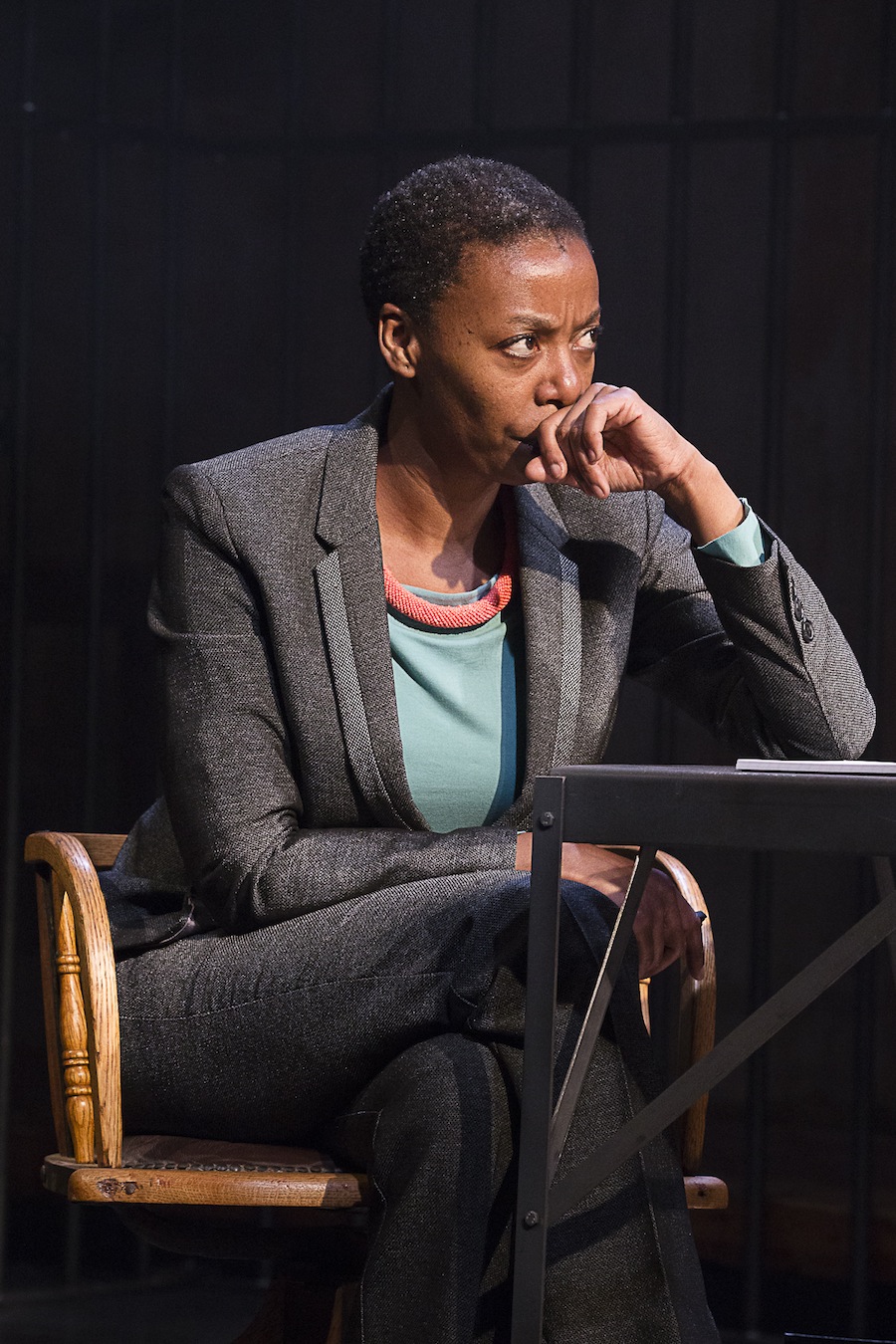 Hierarchy is central to the drama. Gobodo-Madikizela is ostensibly the more powerful figure, but at times De Kock appears to be interviewing her, rather than the other way about. He discomfits her by asking about her family, her career, her marriage. In a grotesque parody of traditional Afrikaner hospitality, he insists on paying for the plastic cups of coffee the prison guard brings them. Noma Dumezweni (pictured right as Gobodo-Madikizela) manages to indicate the emotional strain her character is under, while at the same time presenting a calm, professional facade. As De Kock, Matthew Marsh is both sinister and pathetic - a vestige of an outdated ideology that has allowed him to soak up as much of the blame as possible. Together, Dumezweni and Marsh create an extraordinary kind of intimacy: repulsive and admirable at the same time.
Seeing the two of them face each other across the table, the red light of the tape recorder between them, offers a glimpse of the moral frontier of the new South Africa. De Kock - the stuttering, violent, ideological killer - and Gobodo-Madikizela - the educated, refined, angry academic - share citizenship of the same nation, but each has a different native tongue and struggles to admit they have anything in common. And yet here they are, trying to find the humanity in one of the most inhumane periods of human history. Amid all the gory, desperate stories this play contains, the very fact that it exists at all should give us hope for the future.