Storage space units are not a nice place to hang out. Chilly and quiet, vaguely depressing and horribly lit, they bring on a desire to leave almost immediately. The same impulse is palpable in Dante or Die’s site-specific show, Handle With Care, which attempts to inject a little life into a storage unit in Old Street, but falls horribly short.
The bizarre thing is that Dante or Die are – despite signs to the contrary – experts in site-specific theatre. In 2013 the company received great reviews for I Do, a roaming show which followed a wedding party around a fancy hotel in Islington. It sounded like an edgy and energising production, but all these elements are sadly lacking here. The same playwright, Chloë Moss, is behind both shows, but it’s as if the soul-sapping location has drained the life from her writing.
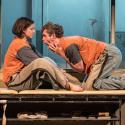
There’s little story to speak of and the scant plot is stretched to breaking point. In fact, the plot snaps only a few storage units in. We begin in the 1980s and watch Zoe (Amy Dolan) help her younger brother Mikolas (Benjamin Humphrey, both pictured below) pack away his things ahead of a soul-searching trip across the globe. Mikolas never returns and Zoe spends the rest of the play roaming around the storage centre, playing out key life events in a series of small and poorly lit rooms.
 There are so many strange turns in director Daphna Attias’ meandering production – and that’s not just because the corridors twist into eternity. Halfway through Zoe’s life, Dolan is replaced by (the very funny) Rachael Spence. It doesn’t add much and confuses the heck out of the audience. The plot lurches all over the place and never really arrives. Zoe argues with boyfriend Daniel (Elan James Weedon), who seems important and then, suddenly, isn’t. She randomly acquires a husband and a daughter and spends an awful lot of time sniffing her dead brother’s shirt.
The rooms are stuffed with various objects – biographical props really – but designer Jenny Hayton has done little to light up this dreary space. The dance elements, which are normally such a strong component of Dante or Die’s productions, fail to make an impact. The pop-led soundtrack occasionally gets stuck and the actors pause and repeat their actions. At one point Zoe climbs on top of a storage locker and, in another scene, she swings along the ceiling. It’s all a bit half-hearted.
The audience spends a lot of time politely shuffling out the way: there isn’t really enough room. The actors chuck clothes at us, rest their heads on our shoulders and – if we’re really lucky – snog each other, whilst leaning on top of us. It’s all profoundly embarrassing. In one particularly excruciating scene, Zoe attends a trippy rave and dances alongside giant bears and fluffy rabbits. It’s the wedding disco of every Brit’s nightmares and you can feel the audience recoil, desperate to be elsewhere.