In one of the loveliest operatic scores of all time, Dvořák makes cruel demands on his eponymous water nymph and the prince for whom she acquires a mortal soul, having them soar above the stave countless times in anguish or ecstasy. Irish soprano Jennifer Davis and American tenor Ryan Capozzo are both equal to the challenge.
Unfortunately their characters are bent out of shape by director Netia Jones; the Prince is rendered one-dimensional, and Rusalka poisoning him rather than kissing him to death in the great final scene weakens its impact.
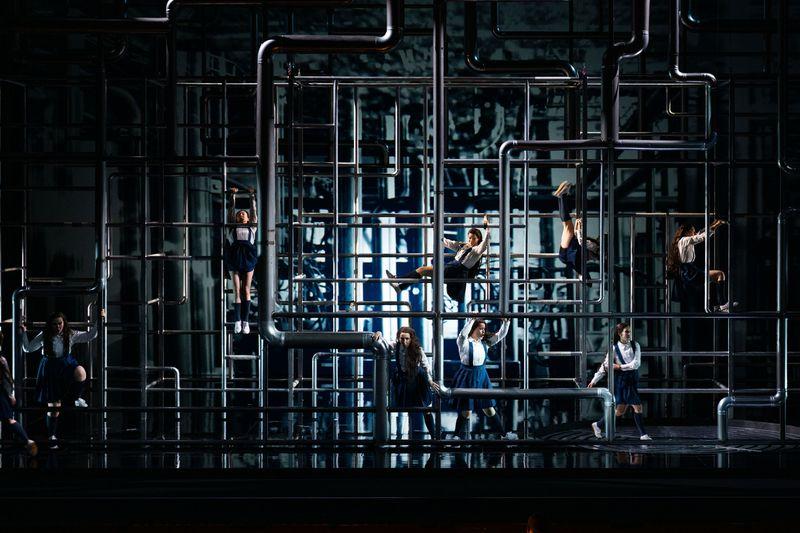
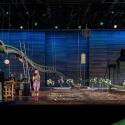
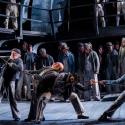
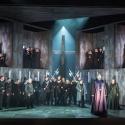
Jones disappoints after her riveting work on INO's Rosemary Kennedy opera Least Like the Other. Her visuals, in league with chameleonic lighting design by Lotta Hammarstrand, are often striking but don't cohere. Rusalka and her fellow nymphs - no distinction is made between the wood trio and the water girls - frolic in a maze of pipes (pictured above); the Vodnik or Water Sprite (Ante Jerkunica) attends to the plumbing.
Musically we're off to a lively start after the exquisite, wan Prelude; gymnasts do their stuff, while conductor Fergus Sheil coaxes lively work especially from Rachel Croash, Sarah Richmond and Alexandra Urquiola, and their Czech is impactful (credit, surely, to language coach and assistant conductor Lada Valešová). Rusalka's Song to the Moon soars, if at a rather slow tempo, and once the pipes lift, the stage picture is appropriately magical. This is Davis's second Dvořák role - she sang the title role in his rare last opera Armida at Wexford - and she never falters.
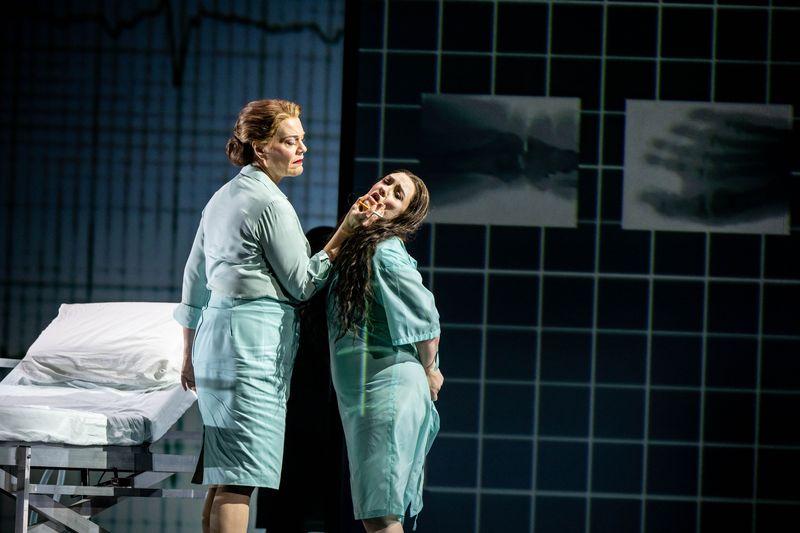
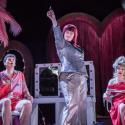
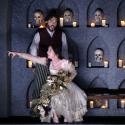
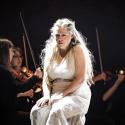
Why schoolgirls, though? Because Jones sees Rusalka's predicament as a rite of passage: to leave her playmates behind and acquire a human soul for love of the Prince who's visited the lake, she must undergo surgery to turn her into a textbook bimbo. So Ježibaba the Witch - Michelle DeYoung, vocally muddy in the middle range but strong at the top, much better in Act Three - is a cynical plastic surgeon (pictured above with Davis). In the original, mermaidy Rusalka must bargain for legs to walk on, but in Act One, at least, she's still her spiritual self.
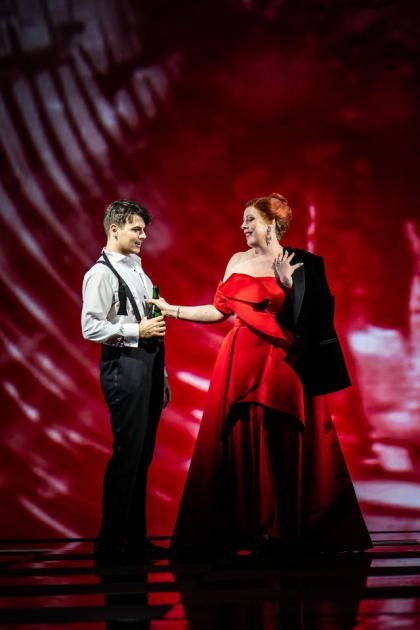
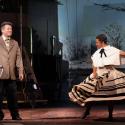
The problem is that the Prince, here just a callow young buck, is attracted to mere show, not the spirituality with which he will have to battle against his animal instincts (represented by Giselle Allen, brilliantly cast after her disappointing Senta for INO, pictured left with Capozzo). So he doesn't really go on a journey too. In Act Two, he treats poor mute Rusalka brutally from the start, rather than expressing torment. Capozzo's light tenor deals brilliantly with all the challenges, but at no point do we feel for him.
There's an expensive-looking scene in the palace kitchen, with head cook and kitchen boy commenting on the strange state of the place since the wan vision from who knows where captivated their Prince. The parts are superbly taken respectively by Benjamin Russell and Sarah Richmond - again, they articulate and seem to understand the Czech they're singing.
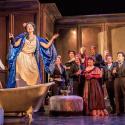
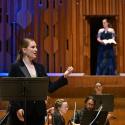
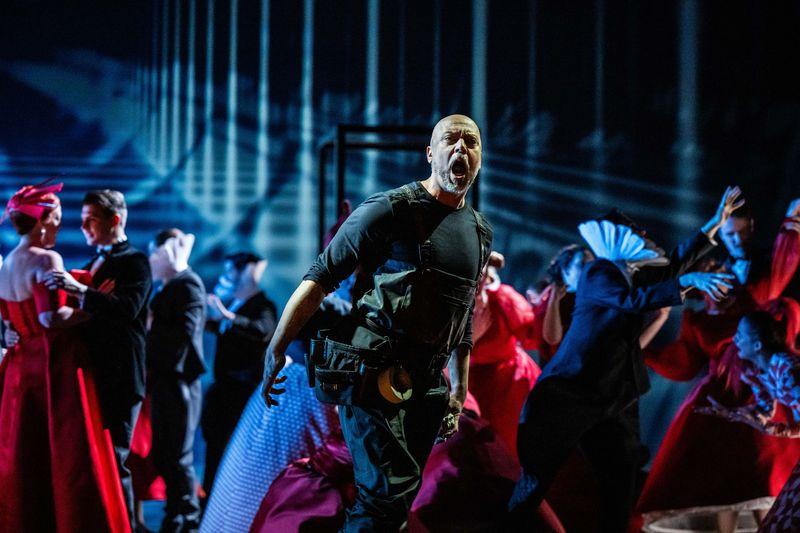
The ball, though, misfires: the chess-piece costumes are clever, but the dances need, as the score tells us, to involve the ill-matched lovers, and here Rusalka just mooches around the edges in the ridiculous ball-gown the Foreign Princess has made her wear. Jerkunica (pictured below), a bit stretched at the top of the range, comes into his own for the Vodnik's song of tender sadness, and Davis thrillingly lets rip as Rusalka finds her voice to sing to her father of despair (odd setting on Dvorak's part: she sings that she's incapable of passion, but this outburst is full of it).
Act Three mostly belongs to Davis, unflagging in more anguish as Rusalka finds herself outcast from both the human and the spirit worlds, though the interlude with the three nymphs is appropriately ravishing (we lose the scene where Cook/Gamekeeper and Kitchen Boy come into the forest, brilliantly done by Melly Still in the peerless Glyndebourne production, because Richmond is doubling roles and a costume-change back into schoolgirl gear would be impossible).
The final duet should break the heart. It partly does through the emotion in the voices. But the point, surely, is that it's Rusalka's kiss which is fatal. Substituting for it the potion which Ježibaba has given her, which the Prince takes willingly to face death, defuses the queasy mix of horror and passion between the two - again, watch Melly Still's Glyndebourne production on film for how blitzing this finale is when done according to the rules. Davis, Capozzo and Shiel give the amazing Liebestod its due, but the heart remains stirred rather than shaken.