

In preparing to direct Handel’s rarely staged Imeneo for Cambridge Handel Opera Company (CHOC), I have been fascinated to reflect on the periods of surging interest decline in the history of opera. Imeneo is Handel’s penultimate Italian opera, and as the genre waned in popularity in London, Handel needed to reinvent his business model and artistic outlook to be able to create and live. His solution was English Oratorio: unstaged concert works that were nevertheless still highly dramatic and narrative focussed, starting his final period of enormous creativity and productivity.
So dramatic are they in fact, that these days we seem just as likely to see them staged as not, and it’s obvious that the spirit of opera lived on strong to the end of Handel’s career albeit transmuted into another form. With a little tweak he found his audience again. This constant need to reinvent and reinvigorate the genre of opera, whilst sticking to the core tenets of what makes it so completely captivating (namely, voice with orchestra in the service of story), is something that has never abated in its entire 400-year history. It is clear that the formula is something that audiences clearly still yearn for - musicals in the West End are the perennial fixtures, not plays. For me, looking at the great figures of the past transcend their difficulties and create art in the most difficult of circumstances is immensely inspiring, when putting on my own work today.
It always feels that opera has an audience problem, at least in this country. Of course, it has its devotees and mavens who must see every single Violetta sing the role in every production (10 years ago, I was one of them!), but many of my friends who would consider themselves artistically or intellectually curious and who attend galleries, author events, or even the ballet never think about going to an opera, or they’ll say they like the music when they hear it somewhere but know so little about it. This familiarity barrier is surely the biggest obstacle to opera’s wider dissemination in British culture, more so than cost (look at the price of pop music concerts or football tickets in the last five year), or length (the 21st century blockbuster movie is easily Opera length!), or even language.
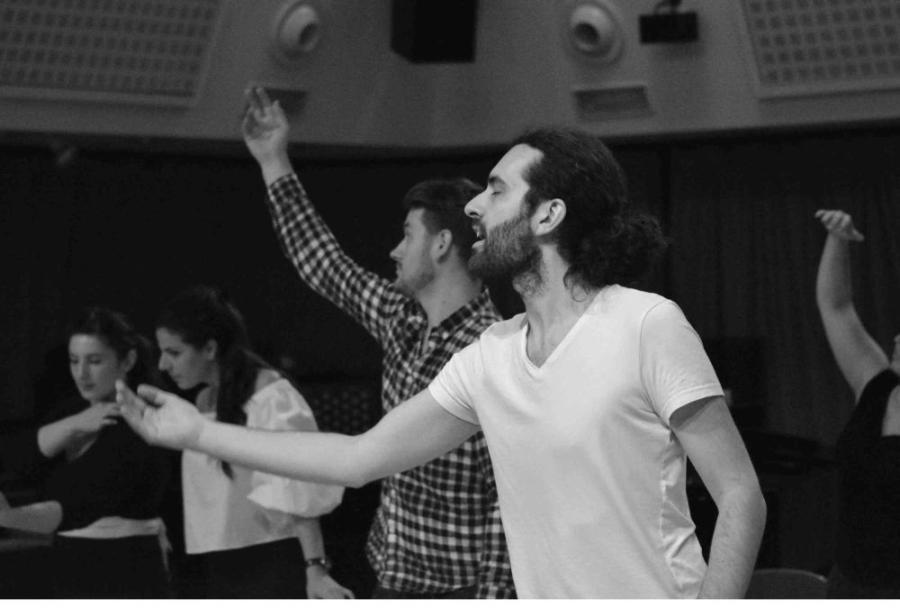
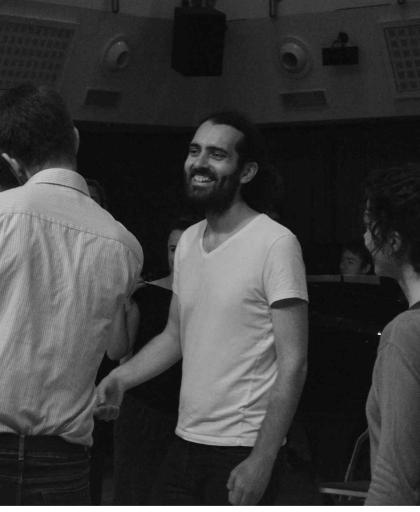
And so we come to the next generation, introducing them to the art form that we all love so much, giving them the opportunity to dip their toe in, and seeing if they might like to find their place within it. Alongside rehearsals and planning of the production of Imeneo, I have been running a series of workshops with CHOC colleagues that introduce teenagers in Cambridge to the world of opera, before inviting them to participate in our show as singers, stagehands, designers, lighting crew, and any of the other hundreds of roles and niches that opera offers. It has been remarkable to see how completely captivated they were by the form - they are bowled over by the singing and completely attentive to the video performances I’ve shown them in a way that I don’t remember ever being at their age! (For me, Opera came along long after my love for other classical music developed.)
These are kids that have done a bit of singing at school, and may have some music lessons, but only a couple have seen any sort of opera before, so it was very encouraging to me to see them so instantly on board. It has been great fun to show them some of my favourite scenes from favourite operas, introduce them to the idea of recitative, aria, ensemble and chorus, enthusiastically introducing these items and giving the students the dramatic and musical context, and then hearing and discussing their responses to what they have seen.
Later in the workshop they had a chance to have a go themselves at writing little arias to the tune of “Greensleeves”, which Lisa Dafydd, one of our brilliant singers then sang for them, having already performed an aria for them. They found it incredibly engaging and fun to have a professional engage with their work on such an immediate level, and in trying it themselves, they discovered the difficulty and satisfaction of writing to a meter, while maintaining rhyme and sense.
In subsequent workshops we have asked them to design costumes, direct and light tableaux, learn a chorus from the opera Imeneo, and finally volunteer for various small roles within the opera company and participate alongside and amongst the incredible top class professionals that we have working on the show. All this work means that their efforts have had actual tangible input into the outcomes of the show, which has been tremendously exciting to facilitate.
CHOC is a small charity that punches well above its weight in what it delivers both artistically on stage and educationally with students. It is part of this country’s rich culture of fringe opera companies doing ambitious, exciting work on small budgets but with impressive results. I have had the privilege of directing operas for many other such companies like the also brilliant Regent’s Opera and Wild Arts, always with superb singers who are otherwise performing solo roles with the top UK companies - ENO, Opera North, and Opera Holland Park. Going back to Handel, it is an amazing example of how opera has again reinvented itself in this country to provide opportunities for emerging (and now also established) singers and musicians, to deal with budgetary restraints and funding deficits, to serve local communities, and to make novel work that would be much more difficult in the larger institutions. Fringe opera has become an important part of the UK’s unique operatic ecosystem in which each company has its part to play.
Education work is a big part of what these fringe companies can deliver superbly well to local communities and audiences. These days, for better or worse, the Arts Council does not fund opera projects unless they have a value beyond their intrinsic excellence as performance art. This means that all funding applications have to consider how they will impact the local community positively (amongst many other considerations), and so fringe companies often tie their work into education work to get access to Arts Council grants.
While this might seem like a dutiful box-ticking exercise, often it turns out to be a superbly enjoyable and meaningful part of the experience of putting on an opera, and I encourage anyone approaching education work with any trepidation to throw themselves into it with as much passion and creativity as they would their “day job”. There are two things to consider to spur you on: first, to echo an oft repeated grim warning about political freedom, we are only ever a generation away from the things that we love most in our culture fading away forever. We are all custodians of that culture, and if you love something and have gratefully benefitted from those who came before you, you have a duty to pay it forward and pass it on to the next generation.
For me this debt of gratitude is to my County Music Service (East Sussex, now sadly much diminished), and my instrumental teachers and mentors. BUT secondly (and here’s the lucky part!) there are few things as genuinely satisfying as passing on the thing you love and cherish to the next generation, and supporting younger artists in their creative development and in finding their own artistic voice.
I have taught and directed many young singers at Guildhall School of Music and Drama, who are already well on their way, but the same principle applies at any age. Whatever that thing that you love is - be it singing, or playing, or dance, or lighting, or writing, or directing - speak about it with the full passion you have for it, and those people (young or old) for whom your message is destined will hear it and resonate with it, and then take it up and run with it for the rest of their lives. You can’t reach everyone, and opera doesn’t need to be listened to by all, but there are so many people for whom the door has yet to be opened.
Add comment