All Savoyards, whether conservative or liberal towards productions, have been grievously practised upon. They told us to expect the first professional London grappling with Gilbert and Sullivan’s eighth and, subject-wise, most problematic operetta in 20 years (23, if the reference is to Ken Russell’s unmitigated mess, one of English National Opera’s biggest disasters). Yet this is not Princess Ida as the pair would recognize it.
In what turns out to be director Phil Wilmott’s “performing version”, the dramatis personae is essentially reduced by at least six characters of note, numbers are reallocated to the most unlikely singers, one of Sullivan’s three best quartets split into a solo and a duet, the components of a fine through-composed finale scattered about, and, worst of all, the plot of the original outer acts rewritten, with attendant pastiche Gilbertian dialogue.
“A woman’s college? Maddest folly going!” exclaims puny scoffer Cyril, and were the writer not W S Gilbert, one would hesitate to attach the character's views to his creator. But there we have it: the nub of the piece is a satire on women’s education, and there’s not much anyone can do to soften it.
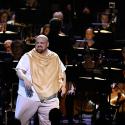
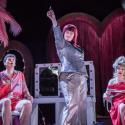
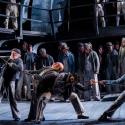
That said, the original does offer some room for ambiguity: Ida has set up her establishment with the highest of aims, and Sullivan gives her some of his loftiest music. I rather hoped to see a production in which the men are medieval lunks, the women enlightened 20th-century tutors and undergraduates. This is not it. Take away the spirit of enterprise, have Ida walled up among the gels by lustful guardian and Lord Protector (not King) Gama (Simon Butteriss pictured below) – more Iolanthe Lord Chancellor than crabby old regent – and a new muddle ensues.
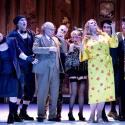
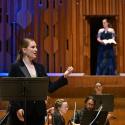
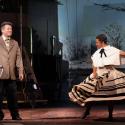
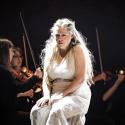
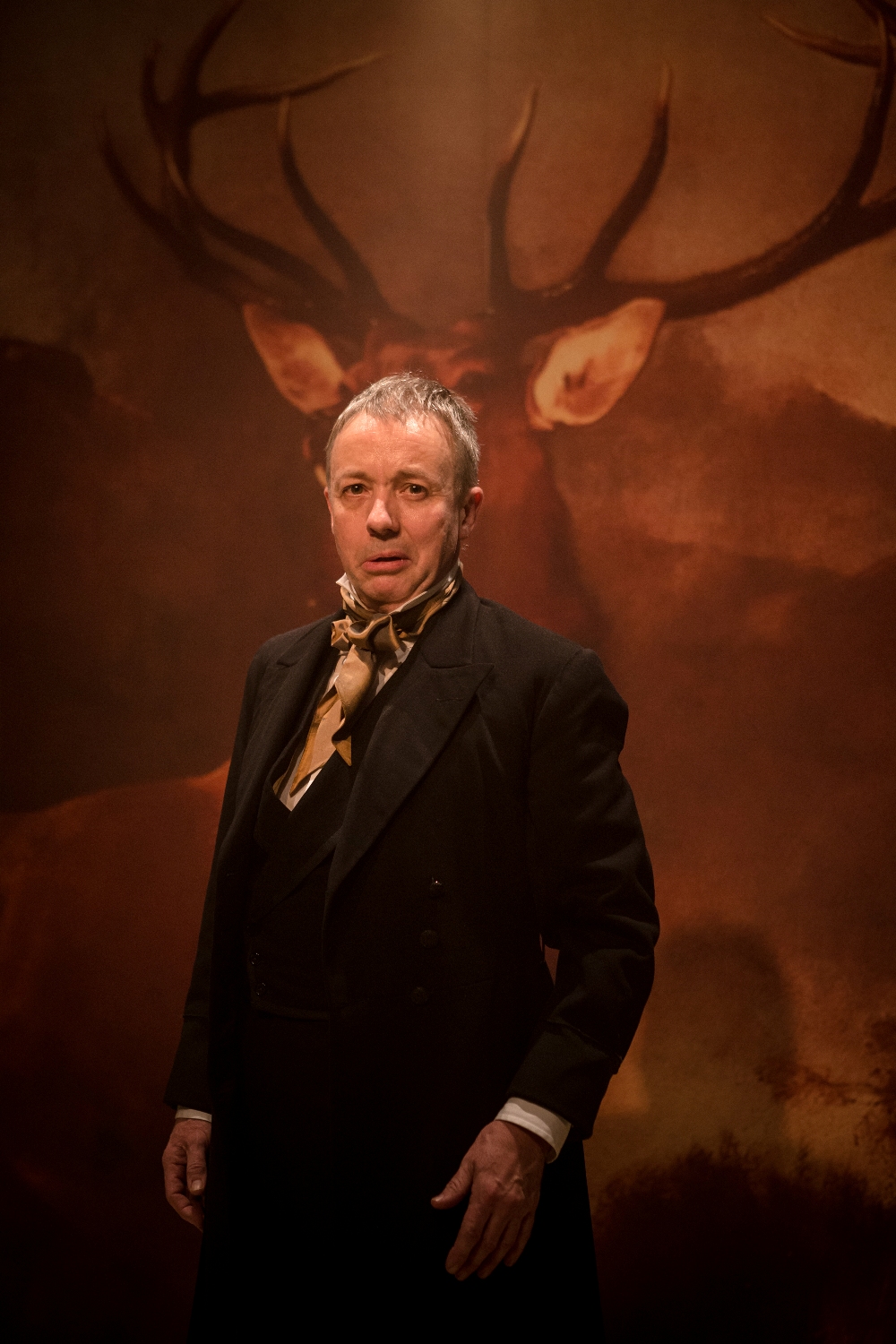 So would it work for, say, anyone who didn’t know anything about the original? Well, the pace is lively enough, but the execution of movement and dialogue often lacks focus or conviction; there was all too little laughter in the audience last night, and I’m sure that’s not Gilbert’s fault when the dialogue gags happen to be his (in iambic pentameters throughout, no less). The girls are mostly better than the lads. Though no lyric-dramatic pillar of assurance, Bridget Costello’s Ida is genuinely sweet in melting mood. Her duet with Zac Wancke’s Hilarion – also fetching, but a crooner rather than the tenor which Sullivan’s writing really demands – almost convinced me that the snippeting up of “The world is but a broken toy” could be justified.
Not much else can, to be honest – certainly not the appropriation of Lady Psyche’s song about Darwinian man by Butteriss’s Gama. The striptease to what should be Arac’s Handelian pastiche “This helmet, I suppose”, like most of what he has to do, just isn’t funny. I got the sense that this accomplished performer believed in the new character almost as little as I did. Let Gama be a misanthrope pure and simple with two numbers in the outer acts; that’s enough.
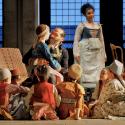
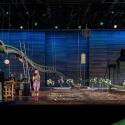
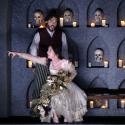
What’s to praise? Richard Baker and Nick Barstow work their socks off on two rather tinny-sounding electric pianos, while Maira Vazeou’s set designs make the best use of the space, with Landseer’s Monarch of the Glen dominating a not especially masculine environment, and Alma-Tadema’s Ask Me No More suggested in the women’s grounds. There's some not bad business with a callipygous classical male torso, too.
But the Grecian garb and chaplets only get further in the way of new lyrics about the right to vote (applied to a number usually axed, "Come, mighty Must"). I did smile at the end, where Sapphism takes over the “college” and two chaps are joined in holy matrimony. But the simple fact remains: if you don’t trust the material, leave it alone. The Union Theatre’s all-male Iolanthe and Charles Court Opera’s fizzing recent Ruddigore set the bar for having novel fun with G&S while fundamentally respecting its workability. This attempt comes nowhere close.