Hauntings, memories, echoes: Antonio Pappano has started his official tenure as chief conductor of the London Symphony Orchestra by looking back in time. Wednesday’s season opener gave us a MacMillan premiere “haunted by earlier musical spirits and memories”. Last night’s follow-up picked up the thread with the Elgar Violin Concerto – a work alive with stirrings and rustlings just out of sight, recollections that drift in and out of view, a human soul “enshrined” in its strange, otherworldly musings. Before you can launch a new era, after all, you need to put the ghosts of the musical past to rest.
Fresh from an astonishing recording with Robin Ticciati and the Deutsches Symphonie-Orchester Berlin, soloist Vilde Frang (pictured below) has established herself as the reigning queen of a concerto whose lineage runs steeply back through Nigel Kennedy and Yehudi Menuhin to the work’s original commissioner Fritz Kreisler. Symphonic in scale and ambition, growing towards a monumental finale rather than falling away from a grand opening statement, its demands seem to deter both soloists and programmers, and we don’t hear it in concert nearly enough.
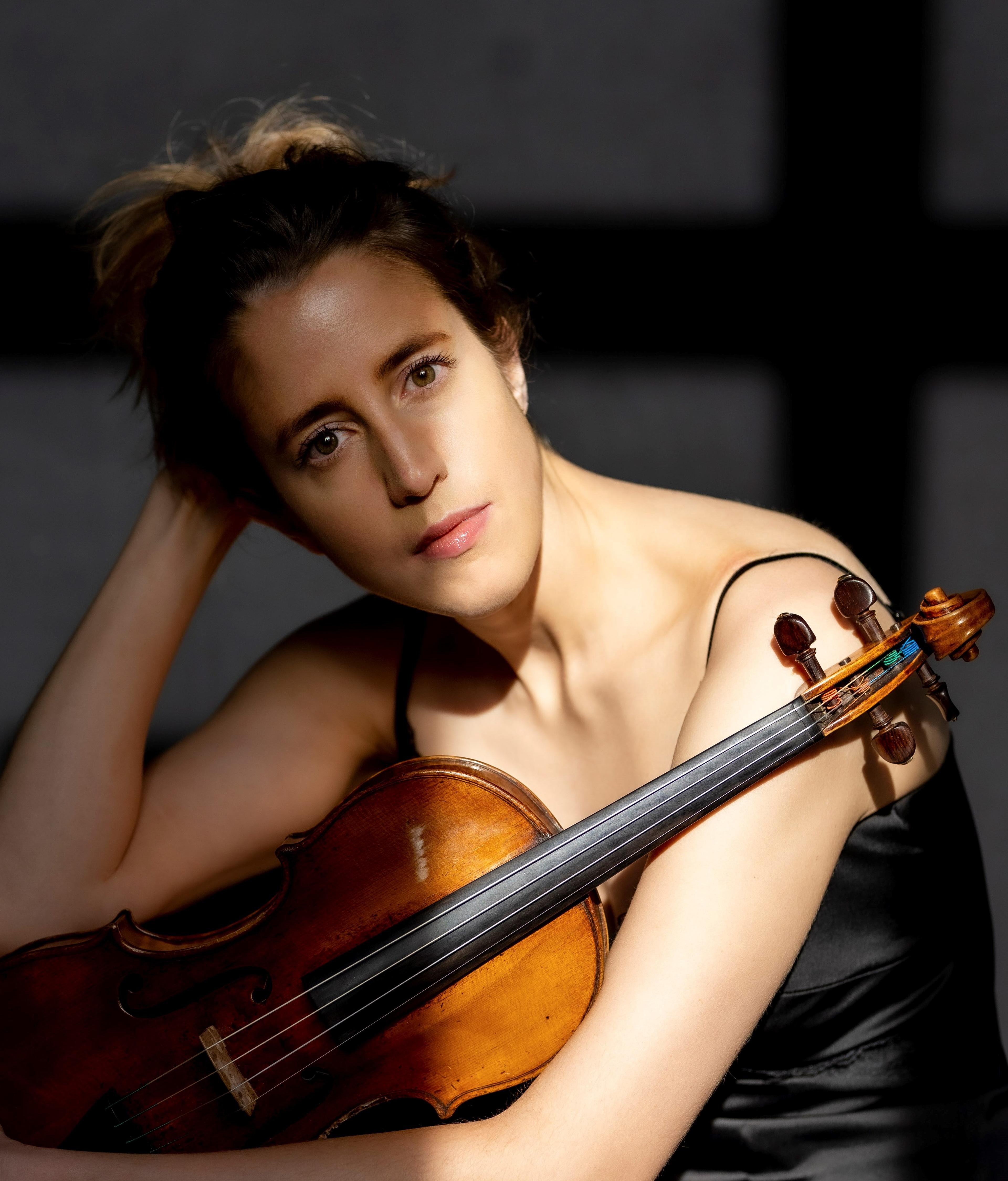 But this was a performance to store away and treasure in the long wait before the next. A sober presence on stage, no smiles, no ingratiating movement, Frang says it all through sound. And what a sound it is. So much of the Elgar sits low in the register, both the Allegro and Andante spiralling upwards and outwards from this deepest recess, the soloist often cocooned within the strings rather than sitting on top. You can almost touch the liquid tone the Norwegian violinist draws from her “Rode” Guarneri violin, it’s so viscous, so thickly bodied.
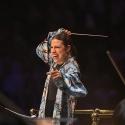
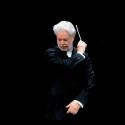
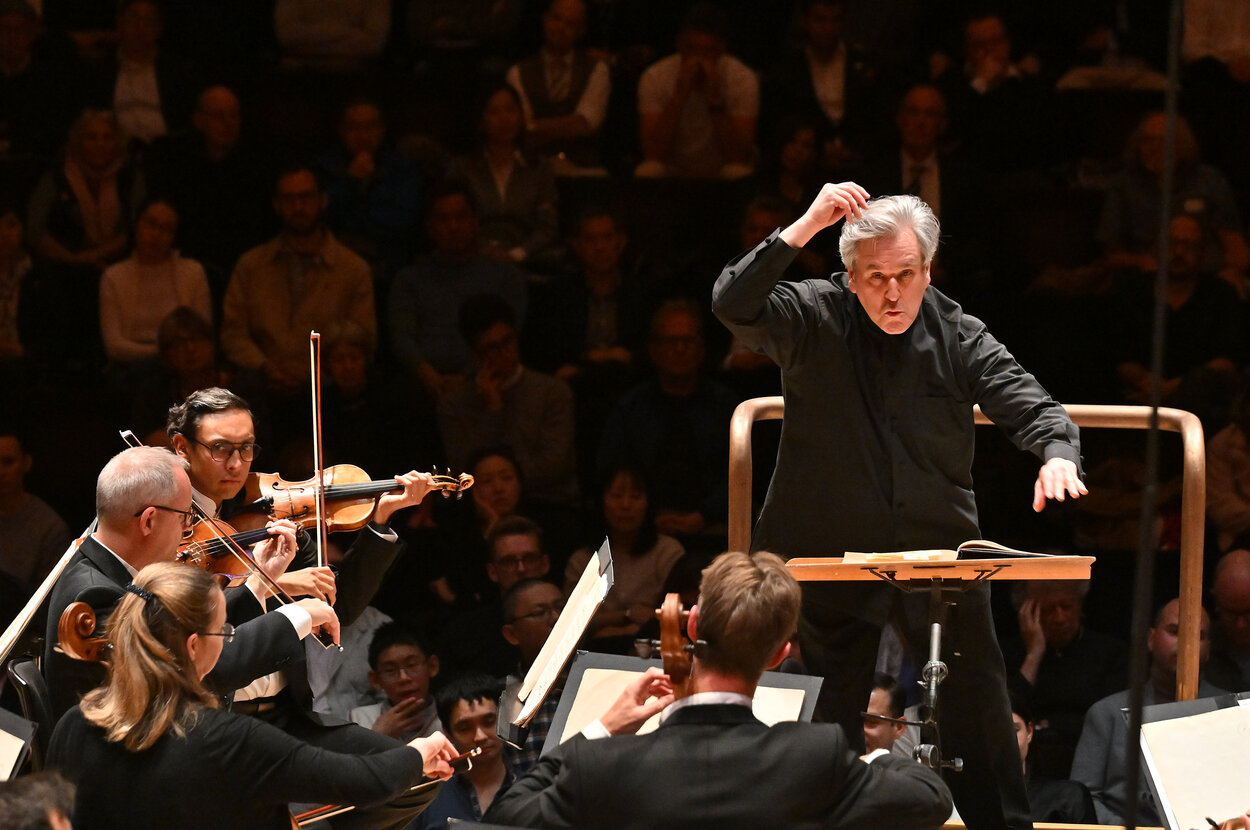
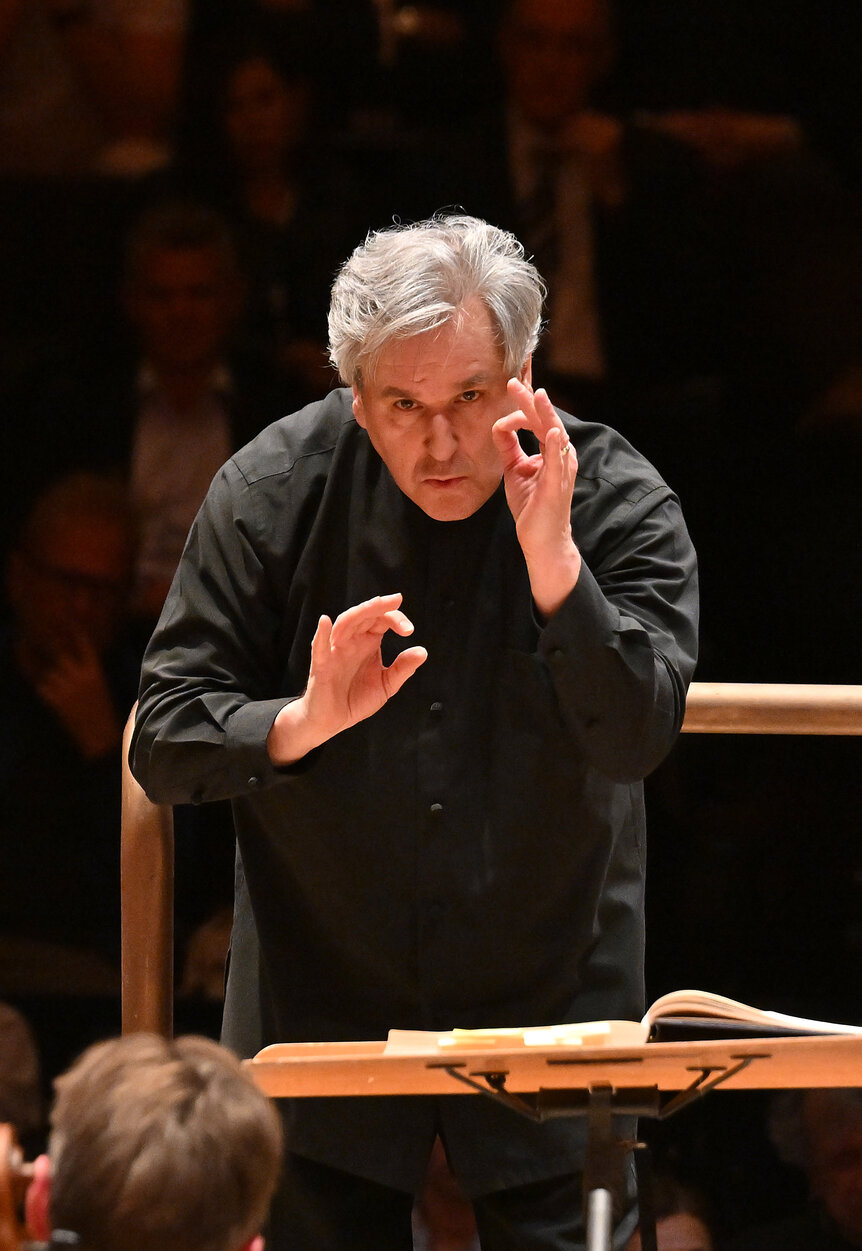
But lushness never turns to weight; there’s a tensile energy running through Frang’s unbroken lines, and with Pappano (pictured below by Mark Allan) urging the LSO forwards into every barline, refusing to sit in the sound, spinning pianissimos that vibrate and fizz, it’s impossible to lose the thread through Elgar’s vast musical architecture.
That finale, with its eerie cadenza, offers an ambiguous answer to the opening yearning: all that singing, humanity of sound suddenly denatured, rendered strange. Frang’s metallic harmonics, the orchestra’s barely-strummed violins – we’re left grasping for something certain. The LSO and Frang dispatched a sleek ending, but it’s the disquiet, that low-humming unease, that was the signature of this remarkable account.
 If the Elgar looked back over its shoulder, Holst’s The Planets saw Pappano fix his eyes on the horizon. You wouldn’t fancy your chances against these forces, feeling the shiver of their inexorable, unanimous tread at the start of “Mars”, even before your stomach turned at the queasy horror Pappano draws from the chromatic scales that gush and ooze up and down: the ghastly cost, he seemed to underline, of all that gleaming military efficiency, the death-blows of those full-orchestra chords.
 A fleet-footed Mercury whisked Peter Pan-like around the orchestra, witty as well as swift – a divertissement before the broad warmth of Jupiter. There was a real chill through the unearthly funeral march of Saturn (that bizarre solo from the bass oboe hitting the spot) as Time picked up where Mars left off at the start, trudging inevitably on.
And with Neptune the mystic we finally looked to the future. As the upper voices of Tenebrae disappeared into the distance, we were left once more with Pappano and his orchestra: ghosts banished and memories fading, gazing into the unknown.