Metta Theatre’s didactic "short plays" evening takes a rigorously Poppins approach: a spoonful of drama to help the medicine go down. The sobering facts – “We need to produce more food globally by 2050 than we have done in the whole of human history” – come thick and fast, emblazoned on a screen and spouted by four versatile performers. Some pieces, written in collaboration with scientists, are fuelled by those stats, others crumble under their weight.
The opening pair are somewhat self-defeating in making their mouthpieces so unappealing: a pious, wilfully naïve organic farmer and health fanatic denying his hormonal girlfriend chocolate – because nothing alleviates menstrual cramps like a Fair Trade lecture. The ills of the world intrude awkwardly in Bola Agbaje’s sparky romcom Chocolate, like product placement in a blockbuster. A film clip better illustrates the point – there are exploited, underfed farmers who’ve never even seen the products fattening up Westerners.
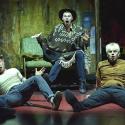
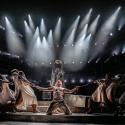
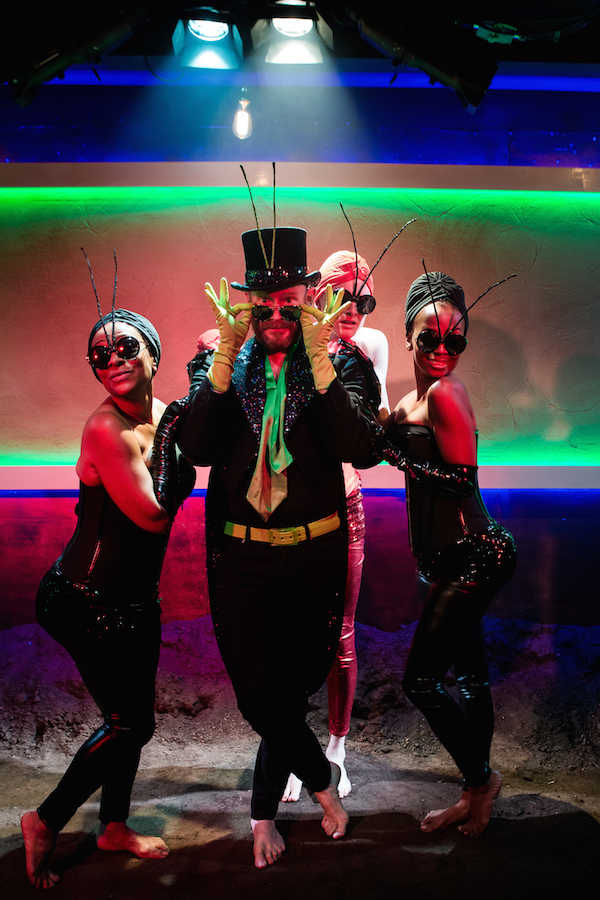 Pedro Miguel Rozo’s Organica mainly jettisons the personal, making Ruth’s (Alisha Bailey) Colombian farming travails insufficiently involving. The sermon is that we must grow up and face our buried truths – Ruth literally digs up skeletons, for those uncomfortable with oblique metaphor – but both political context and Ruth’s growth are shortchanged. In contrast, a camp musical interlude charmingly serves up food for thought, selling insect eating via soft-shoe shuffle (witty choreography from Tim Jackson, pictured right).
Lydia Adetunji’s Bread on the Table features a City broker desperately pitching a client and starving Tunisian couple, victims of such profitmaking. The global interconnectedness is hammered home, and again eclipsed by video of the real thing. More successful is Inua Ellams’ lyrical Turned, in which Harry Lister Smith’s engaging student Sebastian travels to a ravaged Nigerian cattle-herding community in search of his friend. A rushed conclusion, but the meeting of Sebastian and Doña Croll’s tenacious Halima, bonded by loss, is beautifully realised.
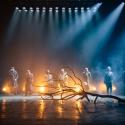
Futuristic dystopian horror connects Clare Bayley and Neil LaBute’s pieces, the strongest of the bunch. In Bayley’s The Protectors, it’s 2040 and naturally produced food is history. Revolutionary Erica (Croll) cuts short familial bonding by handing estranged daughter Dinah (Bailey) a literal and figurative hot potato. Occasionally histrionic, but relatable nightmarish prophesy. How might the world change in just one generation?
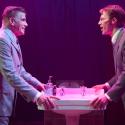
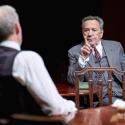
LaBute’s 16 Pounds best honours the “play” in “issues play”. Bailey’s merciless bureaucrat, one of the few remaining people with access to water, interrogates dehydrated GoGo (a believably terrorised Robert Hands) on what he’s done to get an appointment. LaBute doesn’t just confront us with a bleak vision, but demands to know what we would do – and who we would sacrifice – to survive. A dripping tap becomes a potent apocalyptic symbol.
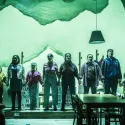
Poppy Burton-Morgan’s lively production features crisp linking graphics and an earthy set from William Reynolds. But masking the message in longer plays might really convince an audience to change the world by changing our behaviour. If you're going to feed us insects, best to disguise them as chocolate.