

The literal miracle in this earthily comic 1956 romance happens at the end. The deeper magic for producer-screenwriter Emeric Pressburger was the “small daily miracles” he found in its “extraordinary” Soho setting. He wrote the script in 1934, at the start of life in England as a Hungarian Jewish refugee, via France, from Germany’s newly Nazi film industry. In the two decades it took to make it, Pressburger wrote, produced and edited one of the greatest sequences in British cinema with director Michael Powell - A Matter of Life and Death, The Life and Death of Colonel Blimp, The Red Shoes, Black Narcissus and the rest.
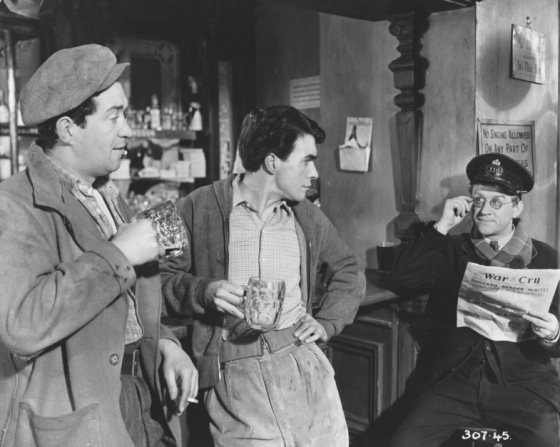 Somewhat archaically for 1956, the film’s single Soho lane was created on a huge, vibrantly colourful Pinewood set. In this enclosed world, unapologetic Lothario Michael Morgan (John Gregson, pictured first left) is one of the workers tearing up and replacing the lane’s tarmac (in a wistful token of other times, the results are meant to last till 1982). Morgan’s presence also disrupts the lives of the tight-knit Italian Gozzi family, especially demure Julia (Rank’s Devonian blonde bombshell Belinda Lee, unlikely but effective). Morgan’s genially cynical nature keeps his several juggled romances from getting syrupy. Still there are eruptions of deep feeling, including a death, and fervent Catholic prayers (the Italian market was being targeted). Most potent of all is the sense of a close, multi-national street. Soho’s seediness is ignored, for the broadly accepting idyll which so impressed refugee Pressburger.
His much-delayed film (released from a decent print, without extras) is timely now. Its untroubled international community refuses UKIP’s malice. And it marks the history which will be lost if new Camden Council plans to demolish half of centuries-old Denmark Street, continuing a decimation of Soho’s edges in favour of denatured corporate tat, go ahead. The remnants of the Soho Pressburger romances could soon, without concerted resistance, be gone.










Add comment