

“Never have I had such a day,” sings the baffled Emperor Tito as he wearily forgives all and sundry for their conspiracies, treacheries, deceits, attempted murders – and, by the way, for trashing the Capitol long before Trumpian thugs had the same idea. At which point the Grange Festival audience, forgivably, laughs.
Mozart’s farewell opera seria from 1791, La Clemenza di Tito presents such a high-minded tableau of imperial nobility and forbearance that we can lose sight of its closeness at some points to utter, Marriage of Figaro-level, farce. Tito’s breakneck shifts between three potential spouses (the unseen Berenice, Servilia and Vitellia), the sudden somersaults of feeling that convulse both the potential betrothed and their other admirers: this sublime, serene twilight music carries action that verges on the ridiculous, and can topple over. A good account of the work has to let that chink of near-comedic light in while alllowing the ravishing mellow wisdom of the score to prevail. In concert at The Grange, Christophe Rousset and his much-garlanded period ensemble Les Talens Lyriques did all that, ably supported by some stellar vocal performances.
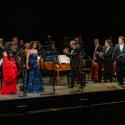
Even with scores to hand, the singers augmented their lines with enough telling gesture and movement to summon all the drama of the piece in the absence of any sets. Meanwhile, it was a constant pleasure to watch Rousset (conducting and supplying pianoforte continuo) energetically direct an on-stage orchestra full of saltily idiomatic individual voices that blended into the ineffably tender, troubled, multi-layered sound-world of Mozart in his final phase. The only element of this concert configuration that felt sub-optimal was the (literal) sidelining of the small chorus: eight fine singers from the Mozartfest Würzburg Choir, sited on the edge of things despite their crucial (and strongly delivered) interventions to laud Tito and lament the threats to Rome. Otherwise, Rousset drew from the instrumental parts, from brash, bold trumpets to mysterious liquid woodwinds and bitingly muscular strings, flavour, pulse and pace.
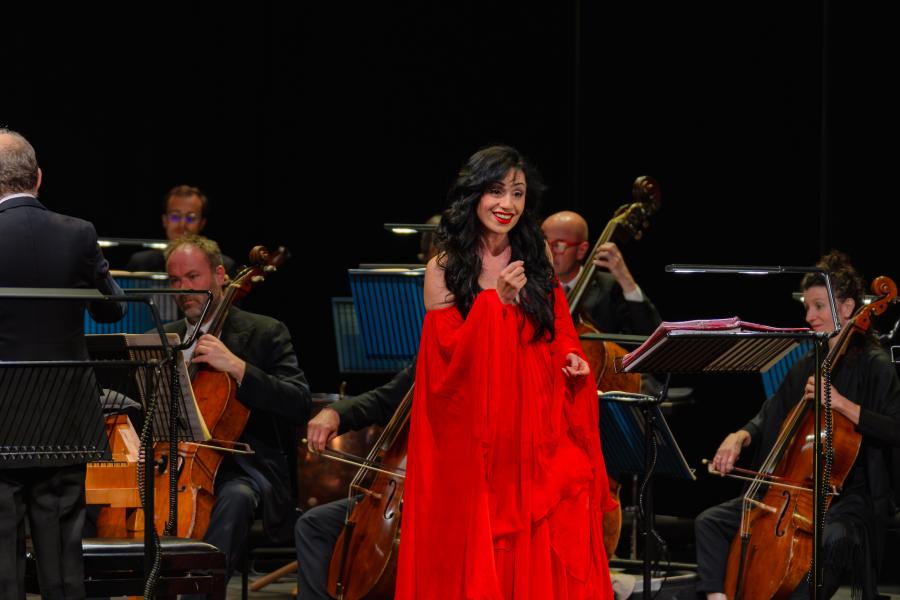
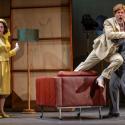
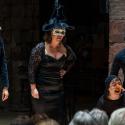
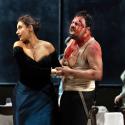
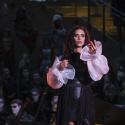
The two stand-out vocal parts filled this compact, intimate auditorium with a thrilling but wholly contrasting sense of Mozartian style. As the spurned Vitellia, who launches the plot to assassinate Tito, Aphrodite Patoulidou (pictured above) shot off like a rocket, all incendiary fire and fizz allied to formidable control across her range ad spectacular strength at the top. Such was her flammable charisma in the opening scenes (especially in the white-hot passion of “Deh, se piacer mi vuoi”) that you feared she might scorch the stage bare for everyone else. It took awhile for the refined, more gently expressive mezzo of Maite Beaumont’s Sesto (originally a castrato role) to square up to this absolute firecracker (pictured below with Adrien Fournaison). But when she did, we heard radiant warmth enhanced with phrase-by-phrase dramatic intelligence.
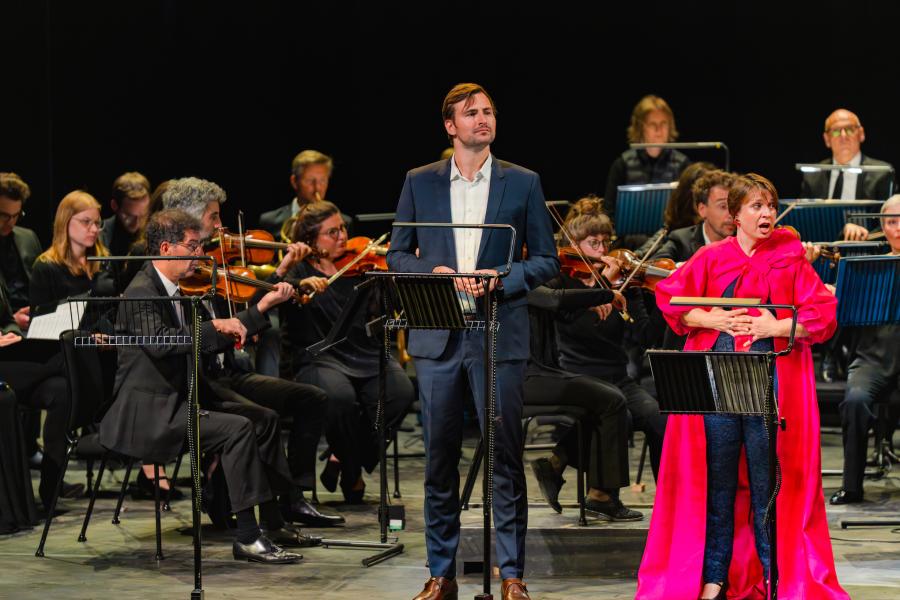
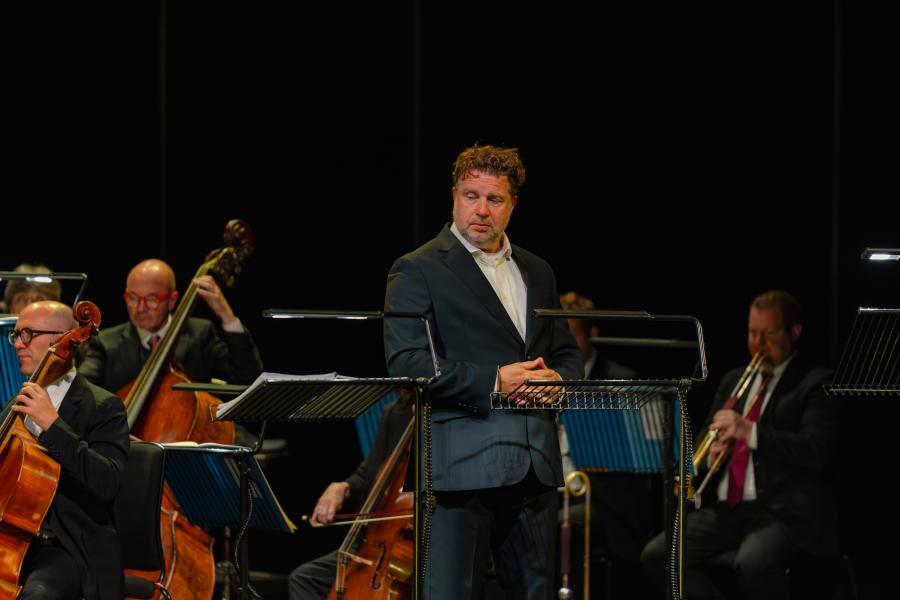
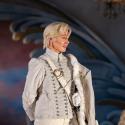
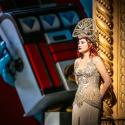
As Sesto’s friend Annio, beloved of Servilia (the emperor’s next choice of spouse), Ambroisine Bré – in the other breeches role – belied her sidekick status in the gorgeous duet “Deh prendi un dolce amplesso”. Thereafter she always arrived with the promise of lovingly-crafted, limpidly lyrical lines. As for Jeremy Ovenden’s ever-magnanimous Emperor (pictured below), his deep-lying noble tenor initially sounded under a little vocal, as well as political, strain, but picked up finesse and flexibility as he voiced the inner anguish of being so damned good – his “burden of benevolence”.
Mozart crammed La Clemenza with exquisitely nuanced arias and duets, yet one of Rousset’s strengths was his attention to the recitatives that generate dramatic tension as the characters endeavour to sort out truth from lies, authentic feelings from adopted poses. These can sound stodgy as we await the next number; here, the plain stage spotlit their importance, and the singing actors responded with a line-by-line alertness and variety of tone.
For sure, Clemenza lovers will have missed the potentially exciting peaks of stage action: the conspirators’ blaze in Rome, the prospect (thwarted by tormented Tito) of Sesto being thrown to the lions. Yet this concert version’s undistracted focus on internal conflict and interpersonal drama amply compensated – no more so than in a powerfully sung and acted pair of trios, “Vengo... aspettate” in the first act, and “Sei al volto mai ti senti” in the second. Rousset’s meticulous balance of voice and accompaniment paid rich dividends in, for instance, the famous basset-clarinet obbligato that partners Sesto’s “Parto, parto”: the moment at which Beaumont resoundingly made her presence felt. That satisfying equilibrium between all forces lent the great first-act finale of communal foreboding a mood almost to match the (near-contemporary) Requiem.
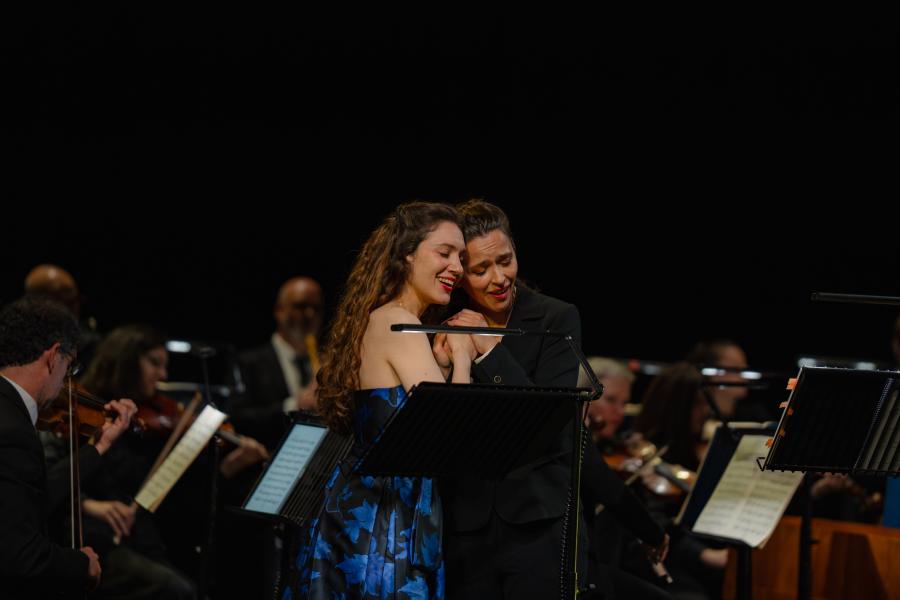
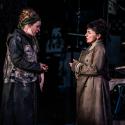
The second act saw Anna El-Khashem’s Servilia (pictured below with Ambroisine Bré) and Adrien Fournaison’s Publio, Tito’s lieutenant (or special political adviser?), seize their brief spells of limelight in polished arias, both soprano and bass-baritone light-voiced but sweet-toned. Torn between melting mercy and severe justice, Ovenden’s Emperor rose sturdily, but subtly, to the challenge of the great soliloquy of self-doubt (“Se all’impero, amici Dei”) that ends with his anti-Machiavellian credo that elevates love over fear as a lodestar for rulers.
Beaumont’s rondo, “Deh per questo istante solo”, packed a host of mixed emotions into one gloriously voiced package of pride and penitence. But we expected Patoulidou’s return, with “Non più di fiori”, to re-steal the show, and indeed she did: as ardent as ever, but now burning with a subdued, flickering glow as the basset horn rippled deep beneath her smouldering sorrow.
After such self-knowledge, as TS Eliot almost wrote, what forgiveness? Inevitably, the general pardon galloped past. Those flecks of farce recurred as opera seria nods to its vulgar sibling buffa, but nothing could detract from Rousset’s all-round excellence. In the wholly suitable surroundings of The Grange, with its cultivated Hampshire landscapes of picturesque Enlightenment, his music-making gave us all the scenery we need.

Add comment