In the Wigmore's Lieder prayer meetings, baritone Christian Gerhaher is the high priest. There are good reasons for this, but given that the innermost circle of Wigmore Friends pack out his concerts, you do feel that the slightest criticism might merit lynching by the ecstatic communicants. His Schubert is never less than fascinating, but 2011's Winterreise kept its distance, while last night there were more question marks hovering over a Schubertiade of mostly semi-precious stones and only the odd jewel.
Where is the unbroken line most of us first heard in his Wolfram at the Royal Opera Tannhäuser? (That 2010 production is due for revival later this month.) The voice at full pelt is one of the most magnificent in the world today, but here we had to wait five songs to hear it. True, text and colour mean so much to Gerhaher, and there was vintage emphasis in the first song as the lonely heart in autumn sings of the "unknown longing" he knew in his youth. But it was alarming to hear the baritone deliver so much of it in an etiolated tenor sound all too reminiscent of certain English Schubert interpreters.
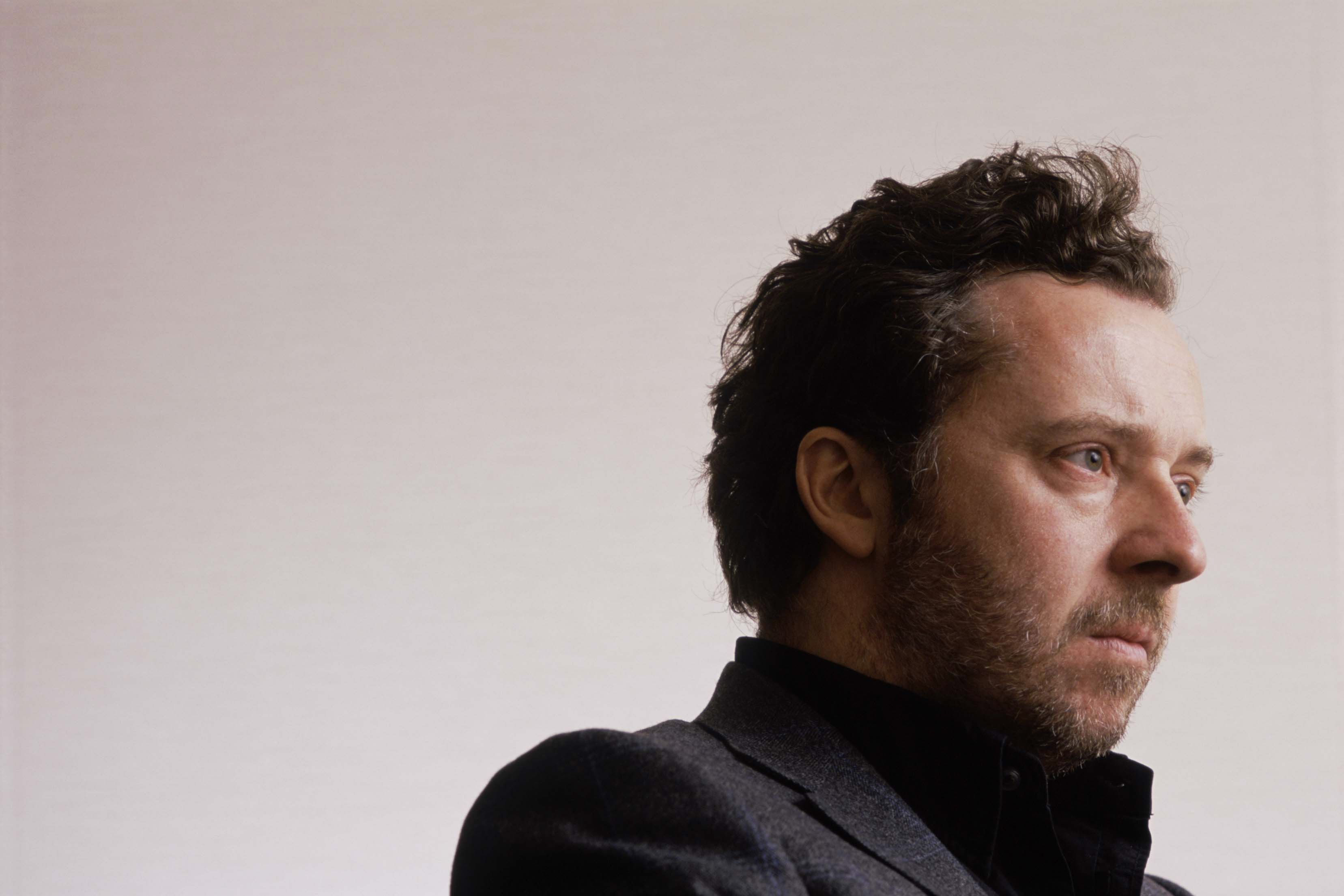 Deliberate? Perhaps. But so much was off the voice, ignoring the core, which came and went too disconcertingly for comfort. Maybe operatic roles like Wozzeck are making it difficult for Gerhaher (pictured right by Hiromichi Yamamoto) to centre the more intimate confessionals of the song recital. Ends of phrases were often swallowed, lacking the rounded artistry that marks out the best; even in the encore, "Im Abendrot" ("In the Sunset"), perhaps the greatest song in the entire programme, you might have missed exactly what – "world" – the Father's lovely gift actually was.
There's a tension in Gerhaher's posture, one leg virtually up in the air at times and left hand fiddling uneasily, which rules out smoothness of line in the gentler songs. Those came at the beginning of the second half, a disappointment. More impressive were the many tormented numbers. I really thought Gerhaher was going to nail the ballad of "Der Zwerg" ("The Dwarf"), but then he suddenly fixed his eyes on the nearby score as if he'd momentarily forgotten the words.
Here pianist Gerold Huber's clearly-inflected energy really came into its own. Like Gerhaher he's a master of observant detail – one of the loveliest touches came in the little dialogue between middle and lower voices in "Der Schiffer" ("The Boatman") – but occasionally he over-interprets, so that Schubert rarely sounds like the ineffable mystery he can easily be if the music is allowed to speak for itself. Not that there was much of the stranger deeps on this programme: "Seafarer's Song to the Dioscuri" briefly provided the grave core it needed, but the official end came on a trifle, "The Singer on the Rock". For constantly unfurled beauty of tone, you'll just have to cross your fingers that the aria to the evening star of Wagner's Wolfram brings its expected rewards at Covent Garden.