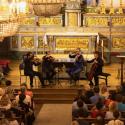
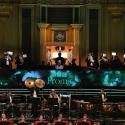
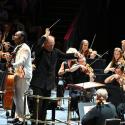
"The Sage Gateshead is in the top five best concert halls in the world." So thinks Lorin Maazel, and he should know. Attending concerts here is a real pleasure. The audiences are unfailingly friendly. The architecture is inspiring, and the views over the adjacent River Tyne spectacular. The main hall's acoustics are better than anything you'll find in London. Credit is due to a far-sighted Gateshead Council who paid for the building's construction. (They point out that the value of the money ploughed into the local economy since The Sage's opening ten years ago amounts to six times the cost of building the complex in the first place.) The food is excellent. The shop contains stuff you'd actually want to buy. The Baltic art gallery is next door. And then there's the marvellous house band – Britain's only full-time chamber orchestra.
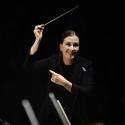
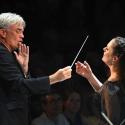
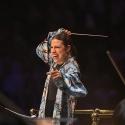
Conductor Alexandre Bloch was drafted in at short notice to replace an indisposed Mario Venzago. Not that you'd notice any strain. He gave us a riveting Beethoven 2, full of bold colours and sharp edges. Offbeat accents crackled with energy, reinforced by punchy timpani thwacks. The first movement's slow introduction was tenser, tauter, making the Allegro con brio's release unusually jaunty. Beethoven's wind solos sung out with joyous clarity, notably those from bassoonist Stephen Reay. Bloch's nervous exuberance made it easier to see the direction in which Beethoven was heading, the dissonances anticipating those heard in the Eroica. The Larghetto flowed with offhand elegance, and a flippant Scherzo bordered on the insolent. The finale's opening sneeze prepared us for music of engaging goofiness, the perpetuum mobile figurations suggesting an unhinged Rossini overture. How refreshing to see Bloch having such fun; every conductorial twist, lurch and kink reflected in orchestral playing which oozed style and character.
Piemontesi is a real find among pianists – the nonchalant manner concealing startling intelligence and grace
Earlier, after a scintillating sprint through Mozart's Cosi fan tutte overture, Swiss pianist Franceso Piemontesi gave us a dazzling, light-fingered account of the K467 piano concerto. He's a real find among pianists – the nonchalant manner concealing startling intelligence and grace. Bloch's flowing tempo gave Mozart's Andante a delectable weightlessness, and the closing Allegro vivace assai was a delight. Piemontesi then gave us a startling encore, a thunderous, visceral account of Debussy's Feux d'Artifice, leaving the audience slightly shell-shocked. Including Vaughan Williams's Lark Ascending didn't feel quite right in such a classically-orientated programme – presumably a nod to Classic FM's ongoing support of the orchestra. Leader Bradley Creswick refused to linger, and Bloch's sympathetic, unfussy direction let the music speak without a trace of affectation.
There was more to come: 20 minutes after the Beethoven had finished, those audience members who'd stayed (well over half of them) were invited back into the auditorium. Creswick directed the strings, violas and violins standing, in Britten's seldom-heard Prelude and Fugue for 18-part string orchestra. Not even Creswick could inject much warmth into this slightly chilly, oblique music, but each player visibly enjoyed their moment in the spotlight. As a foot-tapping bonus, the Britten was followed by affectionate readings of two Frank Bridge folksong arrangements.