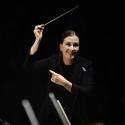
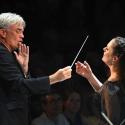
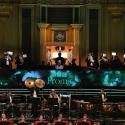
Returning after ten months to the unique vasts of Albert’s colosseum, especially for a Verdi Requiem as powerful as this and a packed hall, felt like a rebirth. There was immediate purging in the focused whispers of the first “Requiem aeternam”s, BBC National Orchestra of Wales Principal Conductor Ryan Bancroft instilling a confidence you knew would last the evening, and instant thrills in the clarion “Kyrie”s of all four world-class soloists.
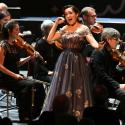
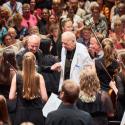
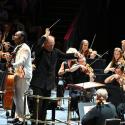
Were there imperfections? Fleetingly. Bass Soloman Howard sometimes ran ahead of the orchestra in “Confutatis maledictis” – Bancroft seems like a sensitive support for singers – before settling to awe and magnificence for the rest of the performance, and soprano Latonia Moore veered to sharpness in the high emotional tension of the “Libera me”. Collectors waiting for another pianissimo top B flat were to be disappointed. But what the hell? Moore’s flaming upper-register phrases and her commitment compelled from start to finish – it added to the operatic drama to see her turn to the judgment-day chorus when she wasn't singing – and I’ve rarely witnessed a more moving partnership between soloists than the one between Moore and mezzo Karen Cargill, the multifaceted jewel in this Requiem’s crown. 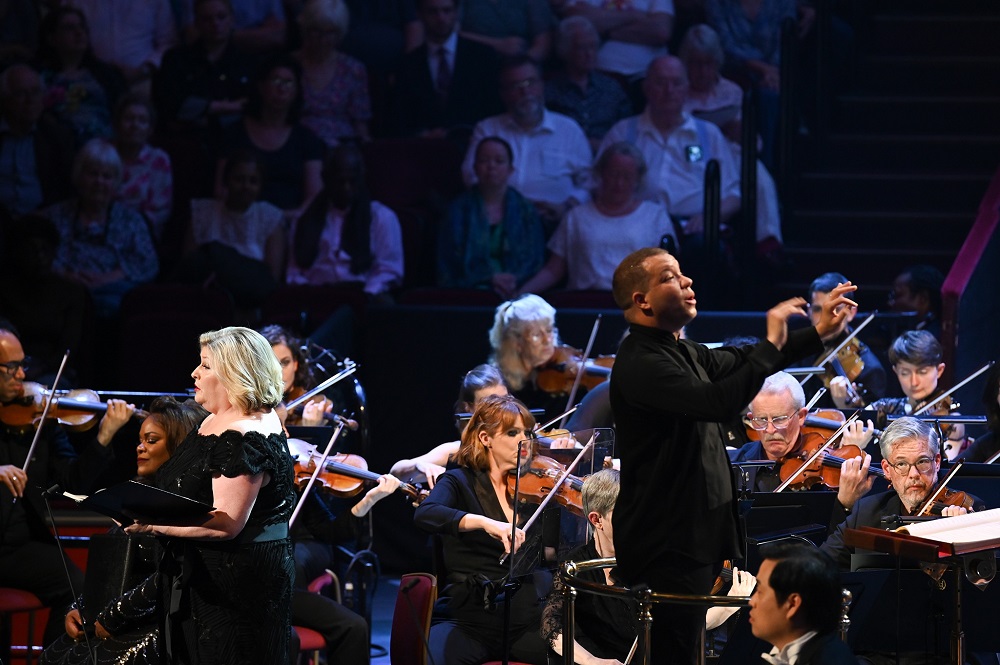 Cargill (pictured above with Moore, Bancroft and players) dared so much, drawing you in across the spaces with slivers of sound, winning total intimacy before pulling out all the stops again in chest voice and top-note brilliance. If South Korean tenor SeokJong Baek stayed within safer confines, he held us spellbound throughout the crucial “Ingemisco” In league with BBCNOW principal oboist Steve Hudson; what a star Baek has proved since standing in so impressively as Saint-Saëns’s hero in the Royal Opera Samson et Dalila. Howard found his feet with the full range; another voice of ideal splendour when needed.
No praise is too high for the combined forces of the BBC National Chorus of Wales and the Crouch End Festival Chorus. How many here – 200? No doubt the BBC Radio 3 presenter told listeners, and you’ll hear more about them when you tune in – as you must – to the televised BBC Four broadcast on Friday or thereafter. Text and meaning were ideally clear, the “Sanctus” blazed, and Bancroft got even more out of his ensemble in the final fugal terror of the “Libera me”. He turned some corners swiftly, but gave space where needed, especially in the “Lacrymosa”, ushered in by Cargill with Sybilline authority. 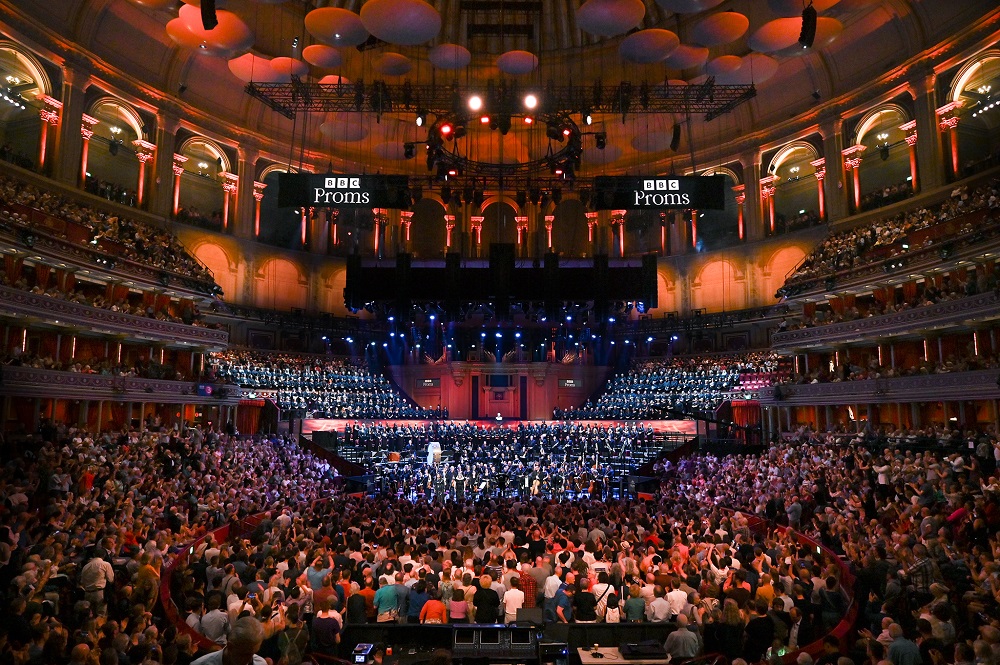 The new, ever improved BBCCNOW ranged from silky beauty to a power that was never raucous (though Phil Hughes had a field day with two standard bass drums and a third that was massive, quite a spectacle). Goosebumps and tears came in all the expected places, plus others; you were drawn time and again to wonder at the miracles of orchestration Verdi achieved – the three flutes wreathing the two female soloists in the awesomely beautiful “Agnus Dei”, the handsome brass ensembles – and at how there’s never a dull or routine moment in this stupendous masterpiece. Maybe Pappano's Royal Opera performance back in 2018 was as close to perfection as human endeavour can come, but the special quality of so much of this special event merits five stars too.