Andris Nelsons and the Boston Symphony Orchestra have made the Shostakovich Tenth their calling card. Their recent recording of the work on Deutsche Grammophon has received universal acclaim, and now they're making their first European tour together, performing the symphony in London, Salzburg, Lucerne and Paris. It’s a great choice, a work that plays to all their strengths, conductor and orchestra alike. But this varied programme also demonstrated other facets of this versatile and increasingly distinctive partnership.
How refreshing to hear Haydn performed by a symphony orchestra, bold and vibrant, and with few concessions to period performance practice. The 90th Symphony was given an assertive but buoyant reading: engaging, melodic and always fun. A few ensemble problems between the timpani and the strings, and one or two sour notes from the horns early on, were the only technical flaws of the entire concert, and after a few minutes the orchestra’s slick corporate tone was secure – its shine and polish a real asset, perfectly in sympathy with Haydn’s elegant tone.
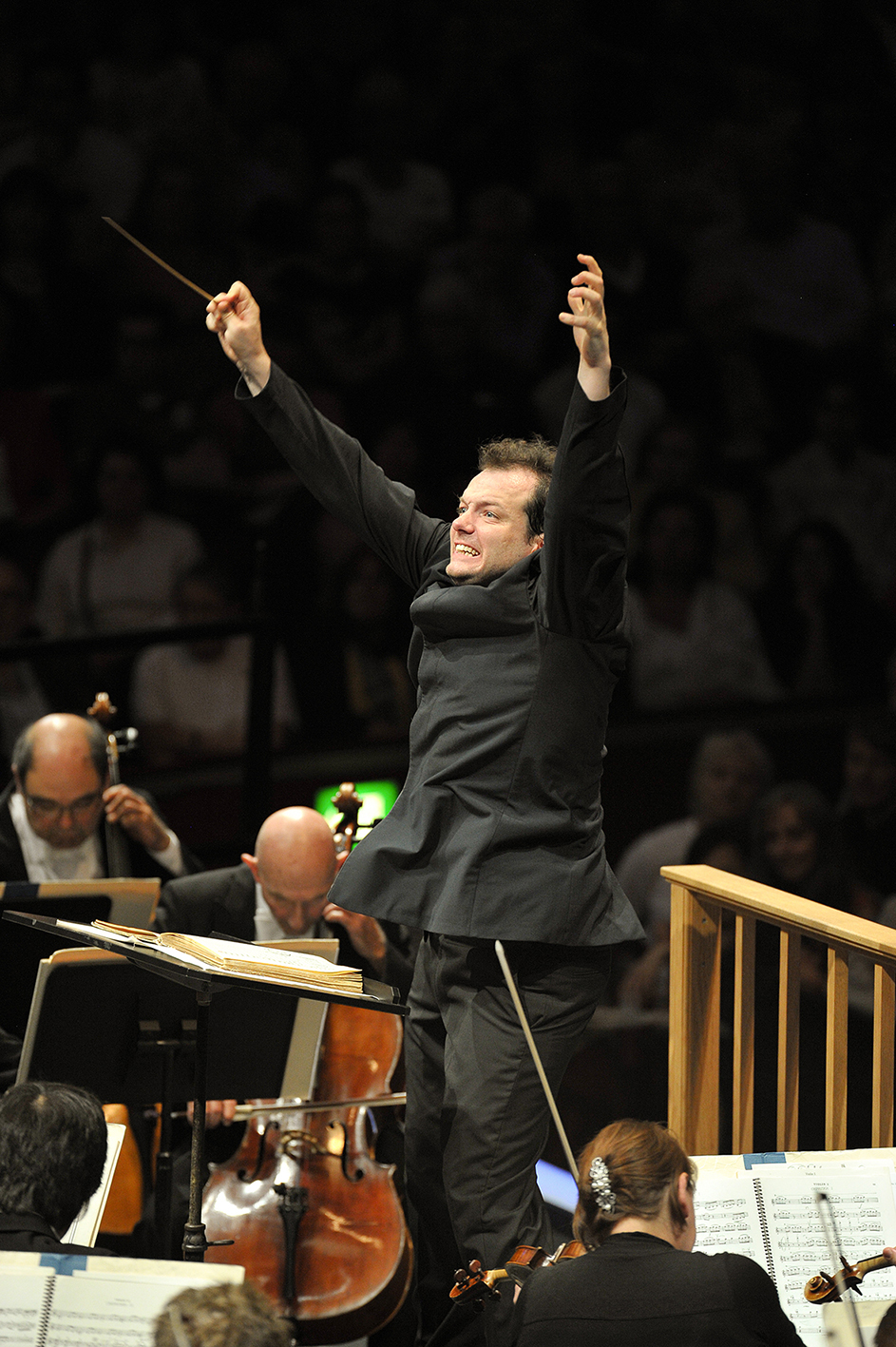
Much of this music has little need of a conductor, a potential problem for the ever-animated Nelsons. In the second movement he often stopped conducting altogether, just giving an indication to the string players as to which of the woodwind soloists they should be balancing. But the price of his transatlantic plane ticket was more than justified by his leadership of the finale. Again, beating time was hardly necessary, but the energy and drive he enthused from the players made this an electric reading. And by the time we reached the conclusion, he had taken full control of the musical spectacle; he made the false ending so convincing that the latecomers were admitted before the coda.
 Barber’s Essay No. 2 for Orchestra felt like a bit of a box-ticker: a native work for the orchestra to bring on tour, as close as any American could manage to the European barnstormers that Nelsons is famous for. It’s an attractive piece, a 10-minute single movement, by turns dramatic and lyrical. The material is of appropriate scale for the modest duration, and it doesn’t outstay its welcome, apart from in the overblown coda, which is repetitive to point of redundancy, and beyond. Skilful orchestration though, ideal for showcasing the orchestra’s many strengths.
From the first note of the Shostakovich symphony, it was clear that this was going to be a very special performance. The quiet, winding cello line was presented with absolute precision and clarity, the tone rich but intensely focused. As the movement gradually grew, Nelsons gently urged the music on, giving each of the woodwind just enough space to phrase, but always fitting their solos into a clearly defined and elegantly articulated progression. He was in his absolute prime in the turbulent second movement, the music here ideal for his propulsive, sometimes verging on manic, approach.
Shostakovich’s humour is never black under Nelsons’ baton. He gives the music its full measure of irony, but never lets it wallow in despair. So all the schizophrenic switches to giddy dances feel planned, not overly controlled, but clearly part of a bigger plan. This allows him to integrate the transcendent climax as if it were a foregone conclusion, and all the more emphatic for it. By all accounts, yesterday’s concert, where the same forces played Mahler’s Sixth, was a highlight of the season so far. This Shostakovich was certainly in the same category. An impressive display of what this orchestra can do under the leadership of their inspiring young conductor – the envy of many world-class orchestras. Boston’s gain is Berlin’s loss.
Read theartsdesk's reviews of other concerts from the BBC Proms 2015