It’s a dilemma of anniversary years, and never more so than with Wagner’s and Verdi’s 200th birthdays: do you stick to the masterpieces or try and bring the rarities to life? No-one would have minded, I suspect, if Antonio Pappano and the Accademia di Santa Cecilia forces he has raised to the level of one of the world’s great ensembles had reprised their peerless Verdi Requiem. It was unfortunate, then, if some of us sat with interest through unusual fare wishing for better alternatives in every case.
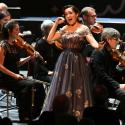
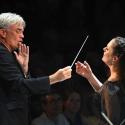
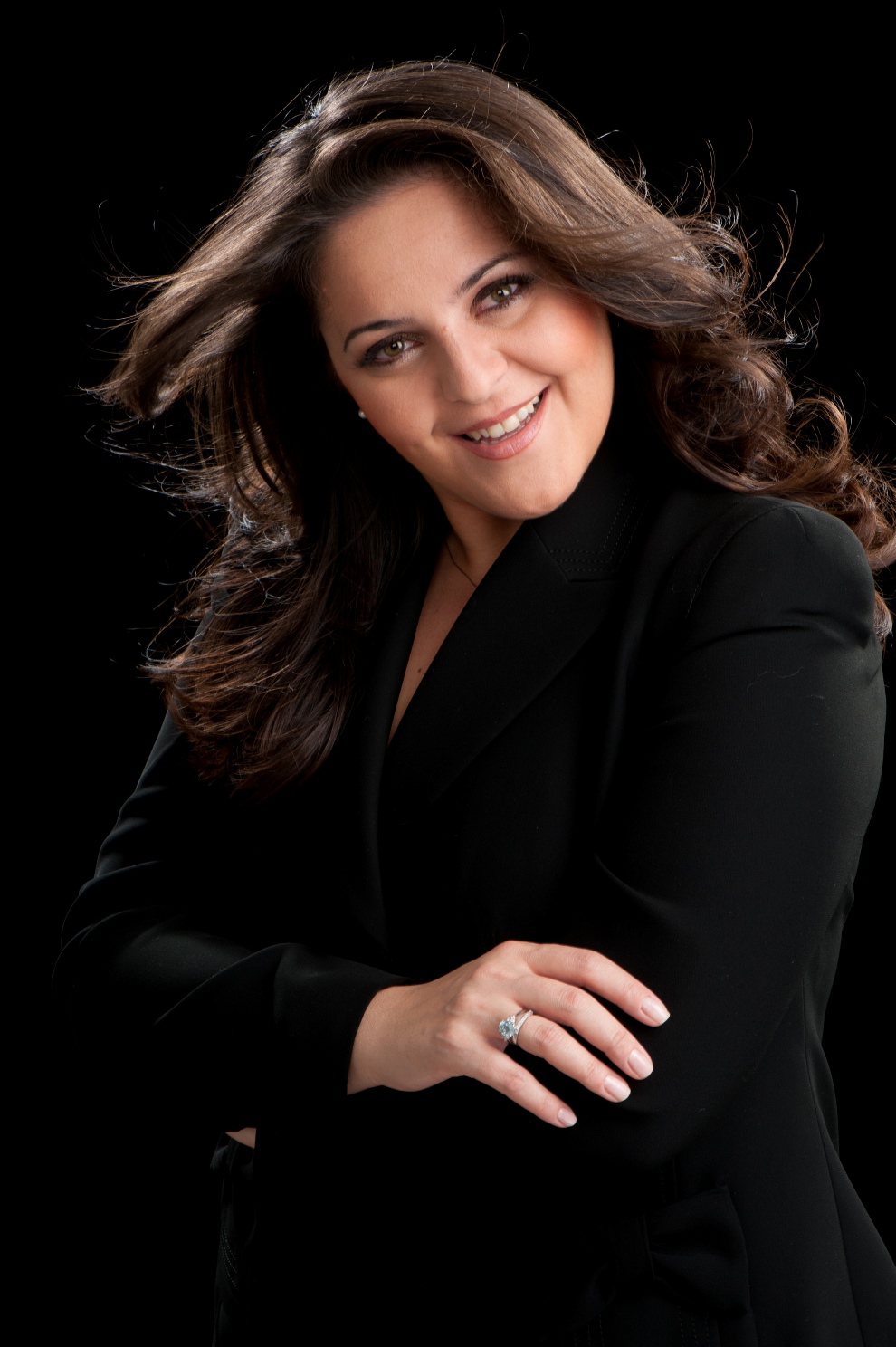
Oh for the Ave Maria of Otello’s Desdemona, you couldn’t help thinking as ethereal Italian soprano Maria Agresta projected her lovely sounds so well into the Albert Hall in a relatively routine 1880 "Hail Mary". Wasn’t Verdi amazing, you realized, in the adjustments he made to his 1869 Libera Me, part of a composite memorial to Rossini, when he re-used it in the Requiem? Often just an altered note or an octave change would make all the difference. Perhaps because of the context, Pappano and Agresta (pictured below by Rolando Paolo Guezoni) kept it rather light, though the professional voices of the Santa Cecilia Chorus spat out their lines in the racy fugue with real Italianate intensity.
 The Four Sacred Pieces showcased the Roman voices' louds and softs to perfection in an acoustic which for once proved welcoming (choral Proms usually come off best). Another, this time unaccompanied Ave Maria, and the Laudi alla Vergine to Dante's beautiful text may have revealed a stray operatic voice in the pianissimos, but no chorus in the world could have given more focused attack to the big outbursts of the Stabat Mater and Te Deum.
The trouble with these longer and richly if selectively orchestrated pieces is that Verdi seems so keen to illustrate every turn of the religious texts that any longer line through the often very pictorial narrative never stands a chance. The melodies, such as they are, come across as second-drawer compared to the unfaltering inspiration of the Requiem, and much more bound by 19th century expectations of religious choral music.
Second-drawer, too, are most of the ideas in the curious String Quartet of 1873, arranged here for string orchestra by Carl Herrmann. The exception, a slow-waltz theme in an over-extended second movement which quickly lost the restless audience’s attention, could stand alongside the final death-dance in Un ballo in maschera. In the second subject of the opening Allegro, we hear Desdemona again; in the whirling Prestissimo, the ballet music of Macbeth’s witches. And for all the vivid dynamic and rhythmic contrasts Pappano urged from his now-superb Santa Cecilia strings, lightweight the piece remained: best enshrined in this form, as I first heard it, serving choreography in Kenneth MacMillan’s The Four Seasons for the Royal Ballet. Four star performances all round, then, but despite the enterprise only two for the programme.