The Southbank Centre automatically stuck the trusty “Bohemian Rhapsodies” headline on this London Philharmonic Orchestra concert of Czech music streamed from the still-deserted Royal Festival Hall. Given Janáček’s presence on the bill, they should have made that “Moravian” as well. I know – get a life. Well, as we wait for that to begin properly once more, Marquee TV continue to bring high production values to their transmissions from the RFH.
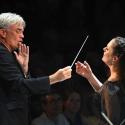
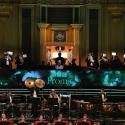
Sometimes, indeed, the team seems to takes undue, intrusive care. Directed by Nathan Prince, this gig featured too much moody blue and crimson lighting for my taste. Never mind: the odd blood-dark wash of colour hardly distracted from the main event, in the form of a performance of Dvořák’s Cello Concerto by Steven Isserlis. With Sir Mark Elder steering the LPO, and Isserlis in full command, both technical and emotional, the old sweetheart – premiered in London in 1896 – charmed and moved and thrilled all over again.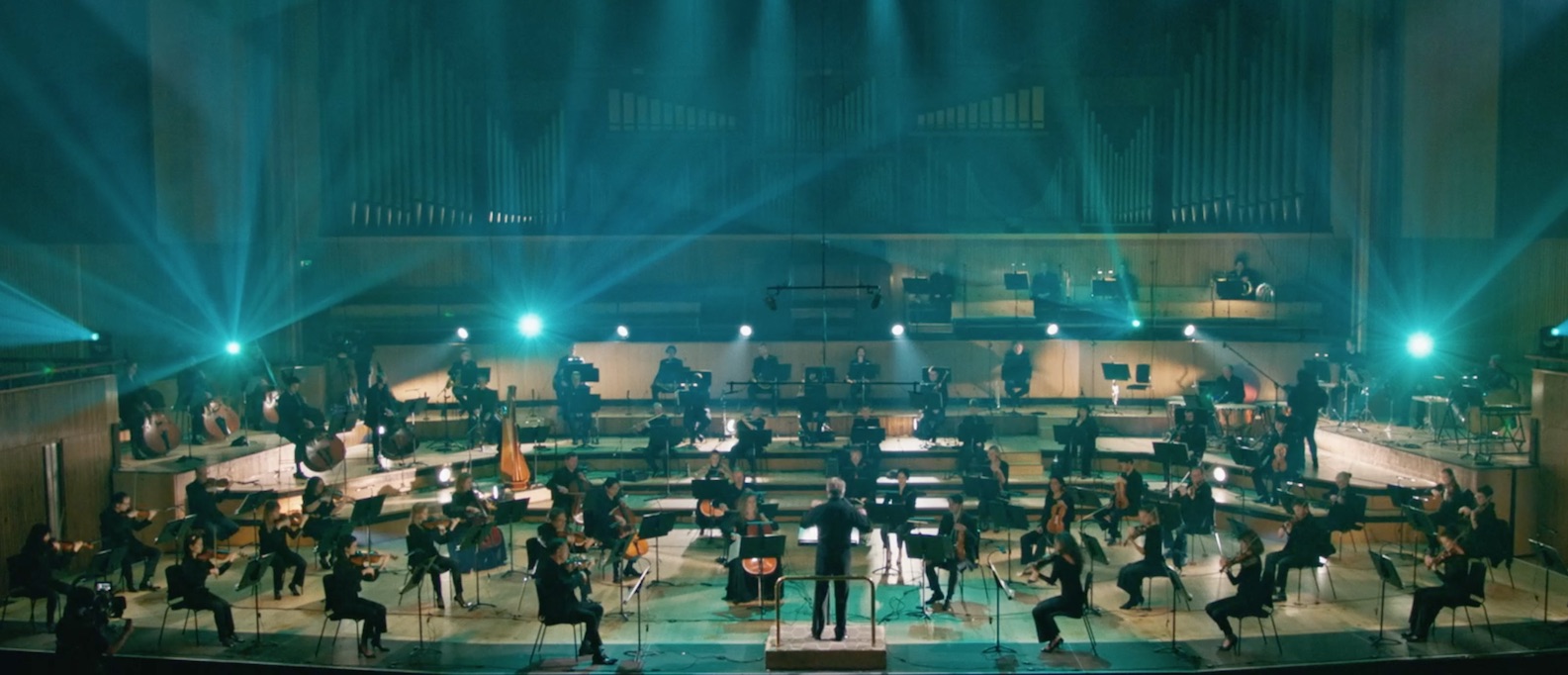 Elder and the LPO had begun with Janáček’s Jealousy: the abandoned overture that originally began his first mature opera, Jenůfa. Although the composer’s second thoughts converted it into a stand-alone concert piece, the taut and ominous orchestral writing – especially for strings – hints at explosive drama just around the corner. Elder expertly thickened the atmosphere of tense anticipation conjured out of febrile rhythms and the gathering sense of unease that comes from stabbing strings and swelling woodwinds, even if it had nowhere particular to go. Instead, we moved straight into another melodrama without words: Dvořák’s late symphonic poem The Wild Dove. In the chat between Elder and Isserlis that partners the concert stream, the conductor outlines the doom-laden village tale of betrayal, poisoning, guilt and suicide that drives this programmatic piece.
Stripped of the narrative, what we hear is an impressionistic soundscape in which abrupt shifts of mood hint at an almost Mahler-like musical sensibility. Boisterous furiant dances, forest murmurs, brass calls and stormy tutti combine into a sort of abbreviated pastoral symphony. Elder drew out the individual colours from the LPO’s outstanding band of stars who shine both separately and together. Both here and in the concerto, the trumpets (Paul Beniston, James Fountain, Anne McAneney) had a splendid night, as did Mark Vines and his fellow-horns, Juliette Bausor’s flute and Benjamin Mellefont’s clarinet. Under the departing Vladimir Jurowski, the LPO admirably cultivated both group cohesion and individual sparkle and dash: here was further proof that the incoming chief Edward Gardner inherits a class act in all departments. 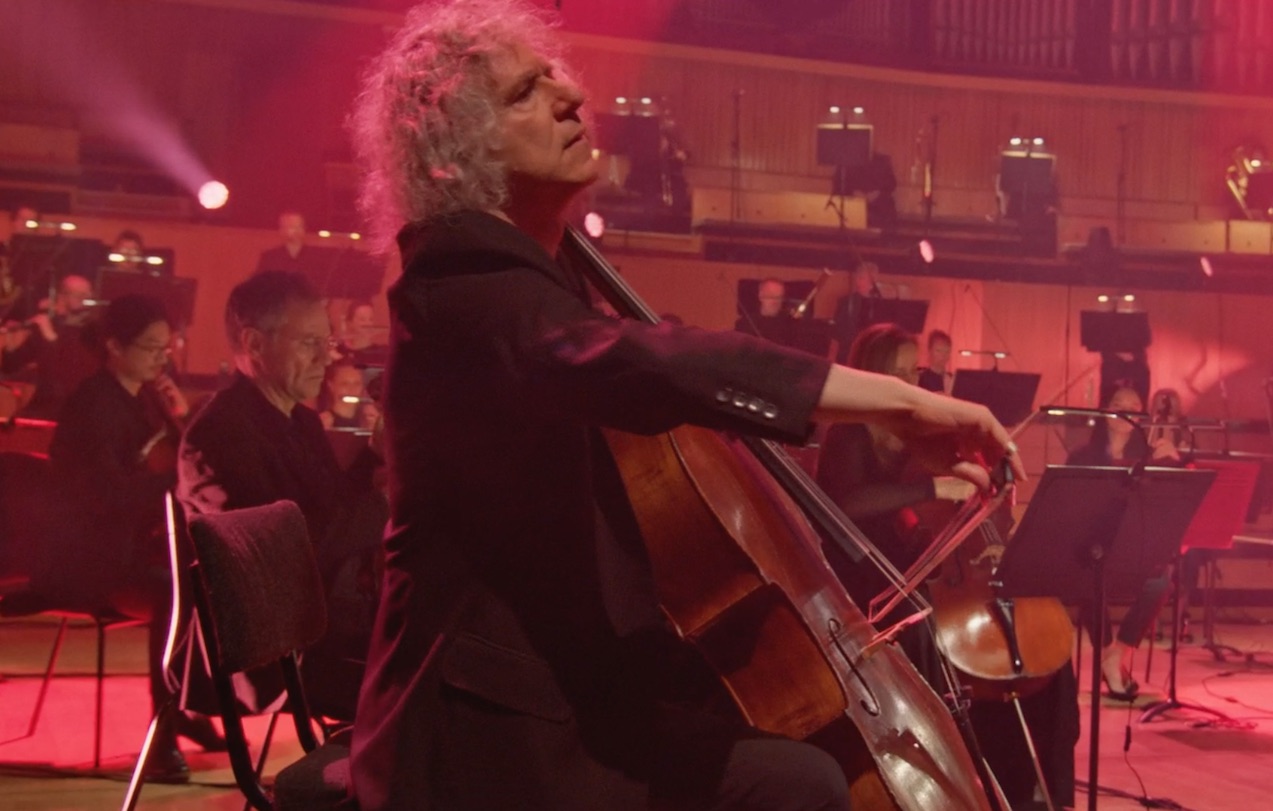 When Steven Isserlis (pictured above) arrived, I wondered if familiarity – with the Dvořák concerto, and with Isserlis’s eloquent interpretation – might breed something like indifference. Not remotely. Not only does Isserlis’s cello tone blend impassioned feeling and mellow serenity in just the right balance. Elder made the work a harmonious meeting of many minds – as the solo instrument parlays with members of the orchestra – rather than the agonistic stand-off between star and band we sometimes hear. As the great theme of the opening allegro unfurled, Isserlis never stinted on his high-romantic cantabile tone, while varying the texture and phrasing of each iteration to avoid monotony. Meanwhile, Elder nimbly negotiated the changes in orchestral weight and colour that turn the piece into a polyphonic dialogue as well as an individual showpiece. The concerto should sound, as Isserlis and Elder concurred in their chat, like “chamber music on a large scale”. And it did.
Still, the allegro closed with a mighty tutti blast before the solo cello wandered through the dark woods of the adagio, sometimes achingly alone; sometimes accompanied by equally refined partners – above all, perhaps, Juliette Bausor’s flute. In the closing rondo, Isserlis’s dazzling passagework made the sheer prowess demanded of the soloist look – not easy, but like the vehicle for emotional development rather than an exercise in virtuosity for its own sake. We always heard warmth as well as strength; a lilting dreaminess behind the swagger that rose to a heart-rending pitch in the slow interlude that quotes a favourite song of Dvořák's beloved sister-in-law Josefina, who had just died. Again, Isserlis profited from sturdy, sensitive accomplices, with the LPO’s ever-impressive leader Pieter Schoeman almost a duettist at some points. Under Elder’s direction, cello and players fused into an expressive unit rather than each striving for precedence. Isserlis’s rich timbre and smoky voice required this sort of sumptuous but not overwhelming frame, and got it. On this occasion, the sad, faint smatter of musicians’ claps that follows concerts in an empty hall felt more than usually animated. Before long, we can hope, they will hear the real thing from a real audience.