Restlessness in a good sense was the keynote of Elisabeth Leonskaja's latest revelatory recital. At 71, the Russian pianist, now an Austrian citizen, has all the supreme mastery it takes to make the volatility work: perfect weight and balance, miraculous rhythmic articulation, the right sense of space and freedom, and the ability to see where a line or a movement is going. Expect only the big, clear sound which is one of her trademarks - all-enveloping in the turbulent Capriccios of Brahms's Op. 116 set - and you can be startled by the kind of bounces and skips which made her Schubert a thing of good-humoured light.
That epic-lyric genius which Schoenberg described as Brahms's essence is Leonskaja's, too. Her programme was well chosen to highlight it. Beethoven's E major Sonata, Op. 109, began with vivacious clarity - not the dreamy floating we sometimes get - with rumblings from the volcano beneath; so it was no surprise when the E minor Prestissimo exploded out of it. The great variations made sense as a riveting whole; even when a whole clutch of notes slipped out of the picture, the framework was secure enough to avoid any kind of crash or muddle.
The first of Brahms's mysterious, ineffable Intermezzi made me briefly question whether the pianist was going to find the half-lights in this troubled music. But she did so immediately in the Adagio at the heart of the set, and I've never heard the "sighing two-note phrases of the E minor Intermezzo, No. 5, with their strikingly dissonant harmony" - full marks throughout to the perfect poise of Misha Donat's notes - so well weighed, not snatched.
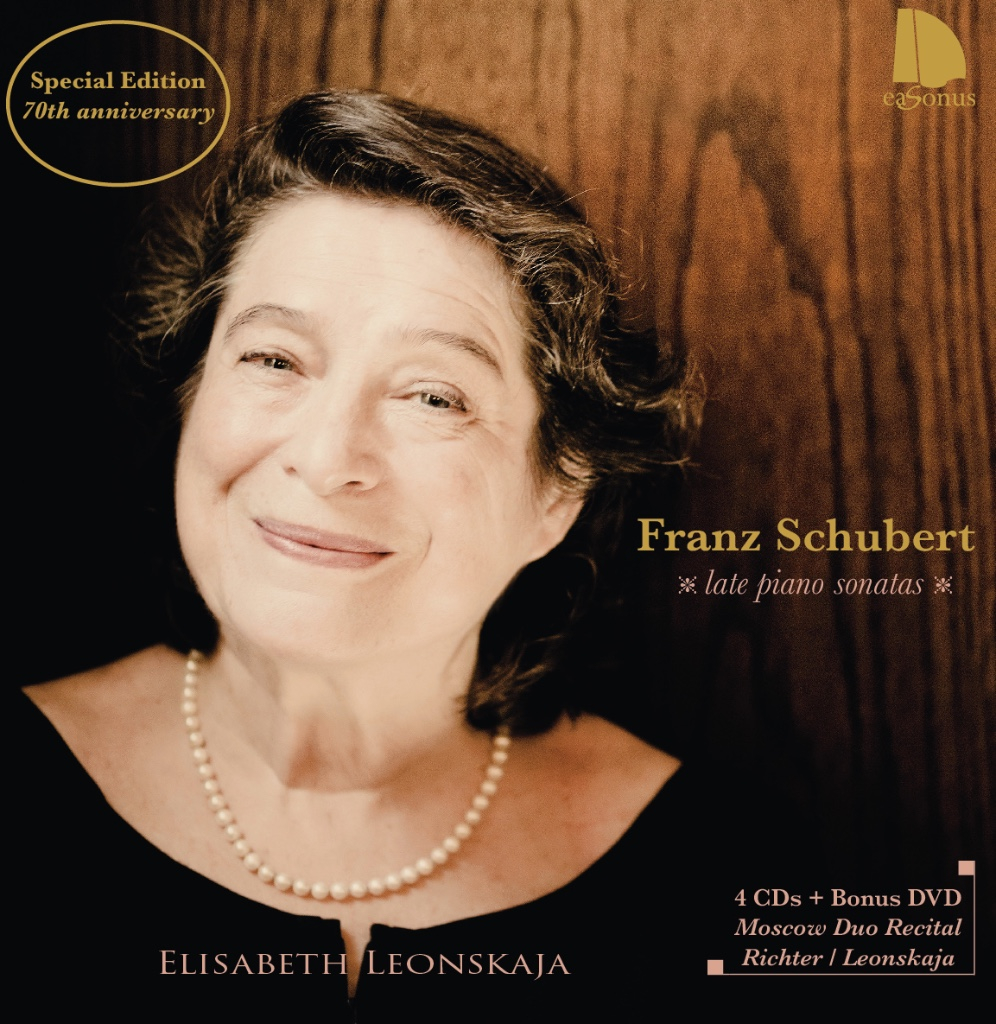 If we went out at the interval discombobulated by the disconsolate undertow of late Brahms, the 28-year-old Schubert at his most extrovert helped us regain our equilibrium. The fecundity of his lyric imagination in the first movement of the wholly positive D major Sonata, D850, was reflected in Leonskaja's sleight-of-hand shifts between grand and intimate - absolute compensation for any absence of the dark moods which can cloud the mortality-shadowed last sonatas.
No one reflects Schubert's change-ringing on the returns of his happiest themes in slow movement and rondo-finale more ineffably than this most humane of pianists; and her Landler lilt in the Scherzo would be enough to merit the Austrian Cross of Honour for Science and Art which she was awarded back in 2005. It was apt, perhaps, that turbulence should return in her encore, Liszt's Petrarch Sonnet 104: "pace non trovo" ("I find no peace"), Petrarch's opening words as set in the song version, might have served as a motto for half the Beethoven and all the Brahms, too. But the abiding glow of the Schubert will always stay with me from this unforgettable evening.