 Bach: The Cello Suites Alban Gerhardt (Hyperion)
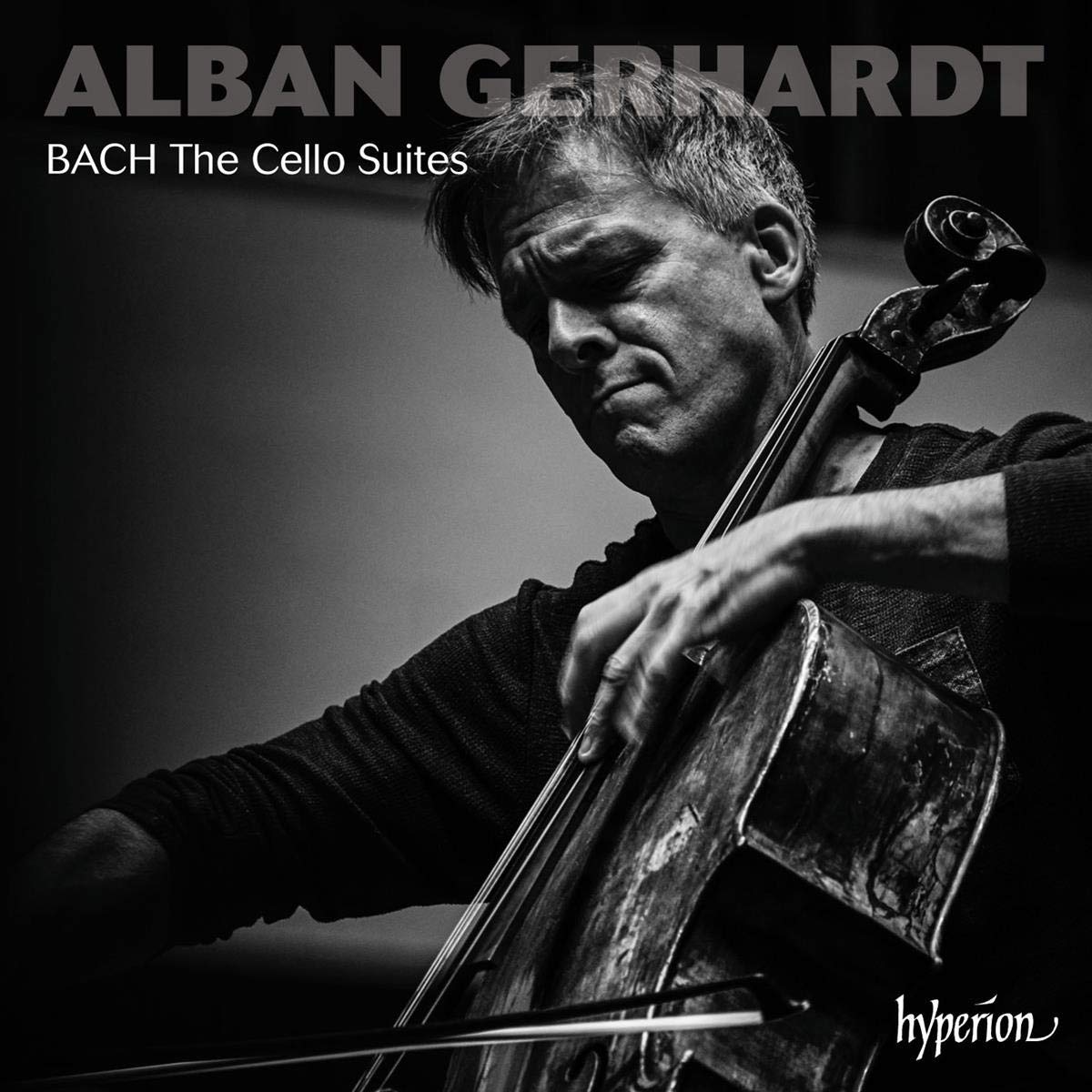
Alban Gerhardt looks as if he's hewn from granite in Adam Markowski’s superb cover photograph here. Even his Matteo Goffriller cello looks like it's been through the wars. Gerhardt tells us in his foreword that he’d originally refused to record the six Bach Suites before he turned 50, then realised that the date was fast approaching. He's disarmingly honest about the difficulties of playing these pieces now, notably in terms of how much notice to take of historically-informed performances. Plus, there's how to balance vibrato and articulation without annoying the recording engineer. I'm making this set seem like Gerhardt's response to a midlife crisis, but it's nothing of the sort. Much as I like a bit of introspection in solo Bach, I prefer it when the performer makes eye contact and tosses us the odd wink. Gerhardt does that: play the CDs at a healthy volume and he's right there, in the room. It's uncanny.
Gnarlier movements like the gritty prelude to Suite No 5 are thrillingly accessible. Gerhardt's cello speaks like a wise old bloke sat in a cosy pub, one who chooses his words wisely. When he's in full flight he's utterly compelling. Witness the startling opening to Suite No 3 once the pounding pedal Gs begin, Gerhardt turning the screws until the C major cadence offers delicious, welcome relief. The same suite’s sarabande is heart-stopping. There’s never a dull moment: these are humane, deeply thought performances captured in glowing sound.
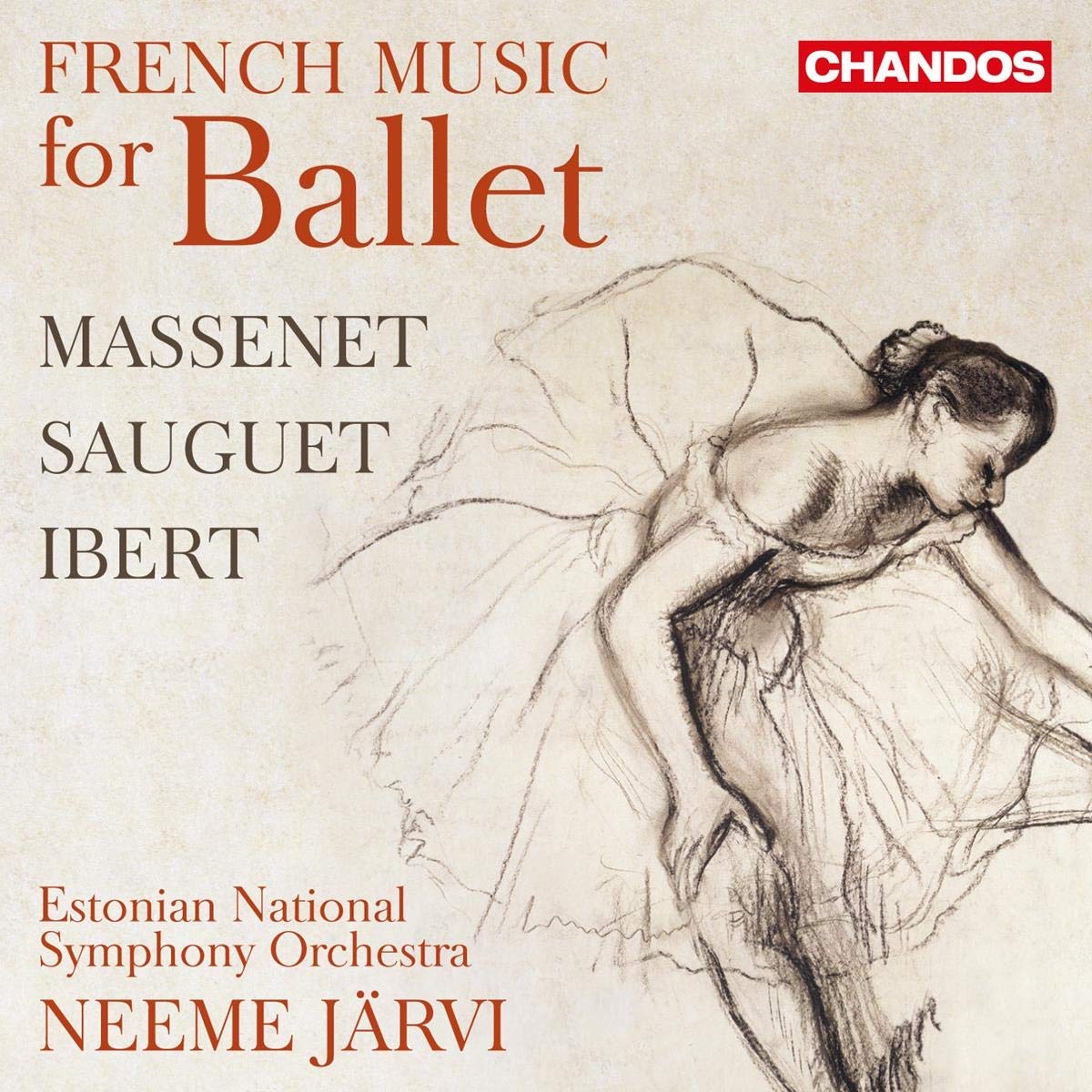 French Music for Ballet: music by Massenet, Sauguet and Ibert Estonian National Symphony Orchestra/Neeme Järvi (Chandos)
Erik Satie introduced the young Parisian composer Henri Sauguet to Diaghilev in 1924, who later commissioned Sauguet’s first ballet. Sauguet went on to write many more, dedicating 1945’s Les Forains to the eccentric who had supported him 20 years earlier. Nigel Simeone's sleeve note bravely attempts to explain who knew who in Sauguet's circle: among those name-checked are Roland Petit, André Cluytens, Cocteau and Poulenc. Les Forains was first performed in 1945, a pleasingly inconsequential score whose fluffiness fitted the mood of a newly-liberated Paris. An everyday tale of circus folk, it's mostly Satie-esque, brightly coloured fun but curiously unmemorable, apart from the “Entrée des Forains”, the melody recycled by Sauguet a decade later for an Edith Piaf song.
The ballet suite from Massenet's 1881 opera Hérodiade is more conventional fare, its various numbers illustrating Egyptian, Babylonian, Gaulois and Phoenician dances. The Phoenicians get the most memorable material, and Massenet ends his suite with a rousing knees-up. More musically interesting is Les Amours de Jupiter by Jacques Ibert, another postwar commission premiered in Paris a year after Les Forains. Ibert couldn't write a dud tune if he tried, and this work has delights in abundance. A few seconds of the tiny “Ensemble des filles” should be enough to persuade anyone, Ibert following it with a gorgeously louche “Solo d’Europe”. Hats off to Neeme Järvi's Estonian National Symphony Orchestra, surmounting Ibert’s technical challenges with ease, every punchy offbeat in place. Sumptuous engineering, too: a fun disc.
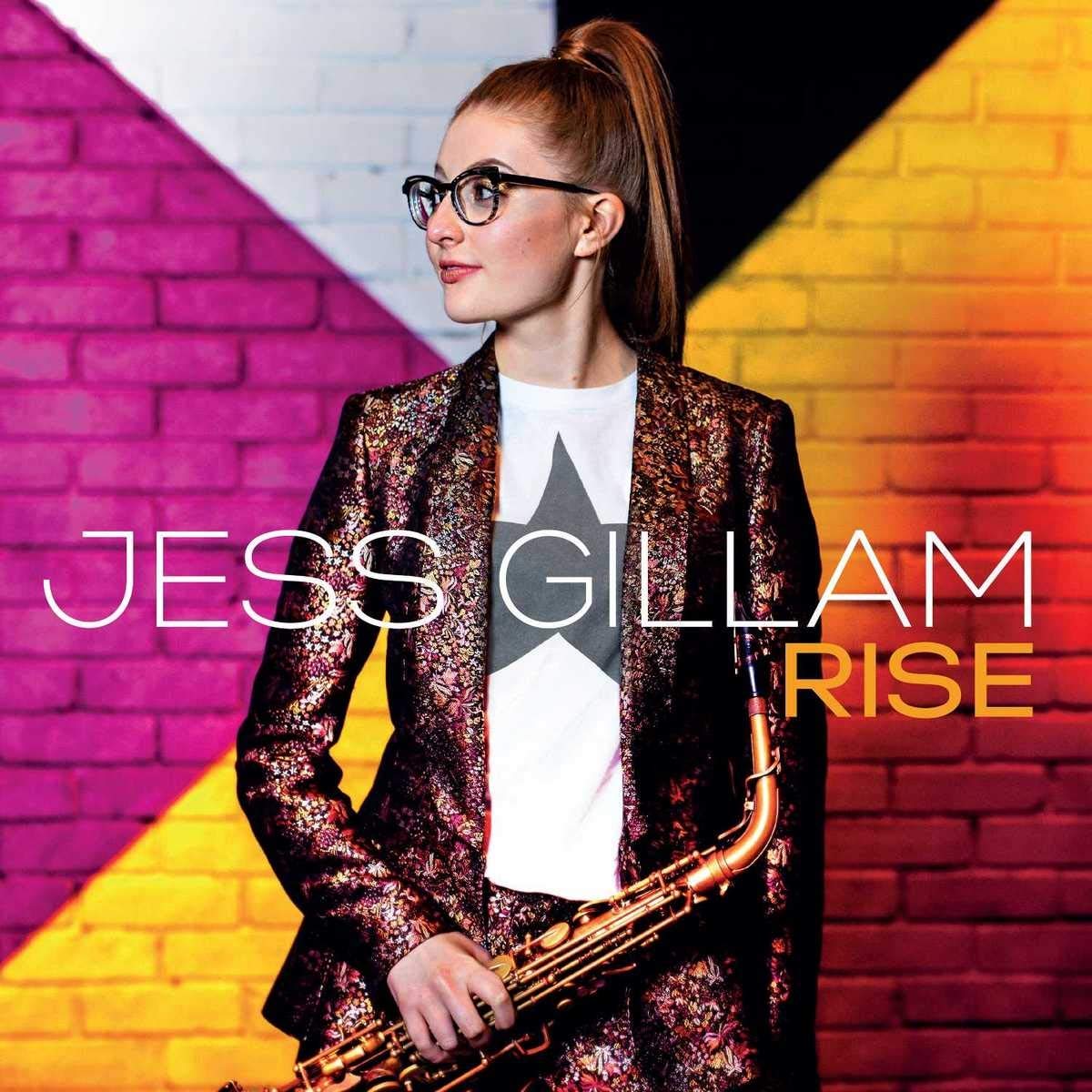 Jess Gillam: Rise (Decca)
There's a distinct lack of big solo pieces for saxophonists to tackle, so the fact that Jess Gillam’s debut collection consists mostly of arrangements shouldn't come as a surprise. Not that it's a problem: talented players have enough oomph to seize ownership of the most unlikely repertoire. Which is what Gillam does here, giving us Kate Bush and David Bowie alongside Milhaud, Dowland and Weill. Gillam's clean, clear playing style is her greatest strength, the results never sounding mawkish. Switching between alto and soprano saxophone, Gillam’s sound never sounds forced, even when she's at the extremes of the instrument’s register. Just how agile she can be is demonstrated in a couple of latin-tinged numbers by Pedro Iturralde and Milhaud, and there's a scintillating arrangement of the Russian song “Dark Eyes”, superbly accompanied by the augmented Tippett Quartet. It's frustrating to have just the opening movement of John Williams’ Escapades, a superb concerto drawn from his score to Spielberg's Catch Me If You Can, though John Harle’s transcription of the adagio from Marcello’s Oboe Concerto is a charmer.
And while I'm inherently suspicious of star musicians who shed their surnames (and in this case their lower case letters, too), guitarist du jour MILOŠ does provide idiomatic backing in a transcription of Dowland's “Flow My Tears”. Gillam's mentor John Harle contributes a RANT!, drawing on folk tunes from Gillam's native Cumbria. And those of us who grew up in the 70s will enjoy a pleasantly smoochy traipse through Francis Lai’s theme to Love Story. Terrible film, but a fine tune. Don't dismiss this as crossover fluff: Gillam is the real thing, deserving serious attention after her recent comments about the current plight of music education in the state sector. She knows that learning instruments makes us better people, and it's depressing to find out that the local authority music centre which kick-started Gillam’s career has now shut shop due to austerity.