In 2007, Jiří Bělohlávek set the distinctive seal on his leadership of the BBC Symphony Orchestra and their ongoing Mahler cycle with a riveting performance of the Third Symphony. The legacy he established of a deep, well-moulded string sound which the orchestra didn’t really have before has left its mark on his successor Sakari Oramo’s even more impassioned attempt at the most epic of all Mahler’s symphonies. We even had the same peerless trombonist, Helen Vollam, awesome in the primeval funeral marches of the first movement, amid a mix of distinguished orchestral soloists old and new.
There was one big problem, though – hearing this spacious piece in the cramped confines of the Barbican Hall so soon after the end of the Proms. For a second Mahler night running, I found myself perversely longing for the magical distances of the Albert Hall, whatever other challenges it poses. So the big minus was the central trumpeting serenade from the depths of the Disney-animal-inhabited forest of the scherzo. It didn’t help that Niall Keatley’s flugelhorn was playing up: there shouldn’t have been extra grace notes when hitting the heights. But distance would have lent enchantment; from his position at the open door upstage centre, he sounded like he was playing in a box. It was an unlucky night for brass split notes generally, though that shouldn’t detract from the incredible resonance of the horns at the beginning or the trumpets’ seraphic, Lohengrin-esque final lap in the great concluding Adagio.
 That was where you either get great conducting pressing all the buttons or it simply doesn’t work (for all the beauty of tone, Rattle's last stand with the Berlin Philharmonic at the Festival Hall didn't). Oramo wrought instant magic from the strings at the beginning of the movement; within seconds I found myself at that deeper level which is the aim of transcendental meditation but which it takes many sessions to realize, the mind listening while the eyes are closed. The biggest compliment I can pay this magnificent, patient but never immobile interpretation was that usually I think we’re over the crucifying interruptions that break up the hymn of thanksgiving when there turns out to be yet one more, but this time the end was in sight at exactly the right point.
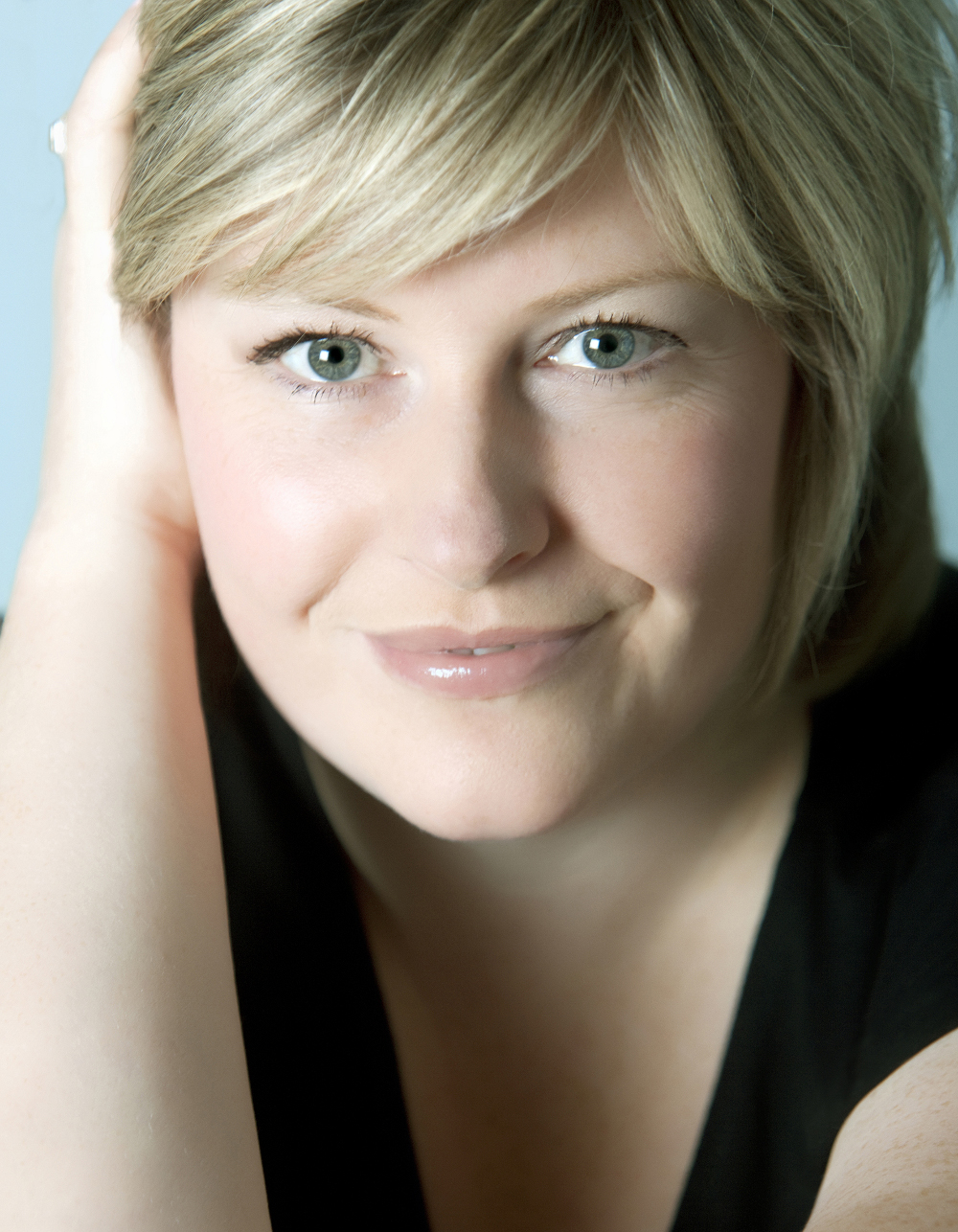
All the paths to led to “What God Tells Me”, as Mahler initially subtitled the finale, were of supreme interest. Oramo matched Jurowski the night before in the Seventh Symphony for the rhythmic rigour and play of rather more jubilant marches, the raggle-taggle workers raucous in lurid clarinet choruses and rattling side drum, while at the other end of the extreme, experimental first movement there were pianissimos of bewitching intensity; I’ve never heard a cor anglais more quietly played than by the always excellent Alison Teale. In Mahler’s weird setting of Nietzsche’s Midnight Song, oboist Richard Simpson turned the “nature sound” Mahler asks for into a spectral kind of cowhorn, offsetting the intense and deeply expressive tones of mezzo Karen Cargill (pictured above), who rose to her usual greatness in uncannily instrumental unisons with the violins towards the end.
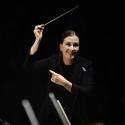
The bell-ringing chorus which follows could have been cheekier than the Trinity Boys Choir made it, in strong musical alliance with the ladies of the BBC Symphony Chorus; better to have had them stand during the previous movement for alertness as well as the avoidance of an unnecessary pause – though thankfully there was none before the strings began the brave new world of the finale. Threading it all together was the warm intensity of Oramo’s conducting style, this time including some supremely beautiful arm gestures mirroring everything we heard. What a month it’s been for Mahler, from Nelsons’ equally engaging Sixth with the Boston Symphony at the Proms, Jurowski's ideal if very different Seventh on Wednesday and, according to Sebastian Scotney, Haitink’s Fourth in the same hall last Saturday. Oramo is in very good company, and he works hard with his adoring players to deserve a place among the greats.