London’s latest theatre opening brings a stirring revival of Harvey Fierstein’s vital gay drama, which premiered as Torch Song Trilogy in New York at the beginning of the 1980s, the playwright himself unforgettable in the lead, before it opened in London in 1985 with Antony Sher. Fierstein revised the piece two years ago for a new production that itself returned to Broadway – to the same theatre, in fact, where it had played for three years on its first appearance, garnering Fierstein Tony Awards in 1983 for Best New Play and Best Actor – retuning the title and taking it down from a substantial four hours to a tighter two-and-a-half: it’s the new version that plays at Battersea’s brand new Turbine Theatre.
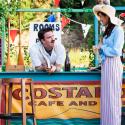
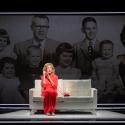
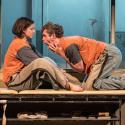
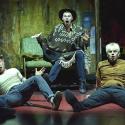
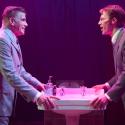
How does it stand up after nearly four decades? Very well indeed. From same-sex marriage to adoption, so much has changed, beyond recognition almost, since the time that Fierstein was writing, but he was engaging with gay identity (and, crucially, self-identity) in the broadest sense and the humanity of the play feels undiminished, coupled with a wit that’s as crisply bracing as ever. (Torch Song stands apart from all subsequent gay drama, of course, for its reflection of life before HIV/AIDS, the play having emerged in the years immediately before the world which it depicted underwent a sea change.)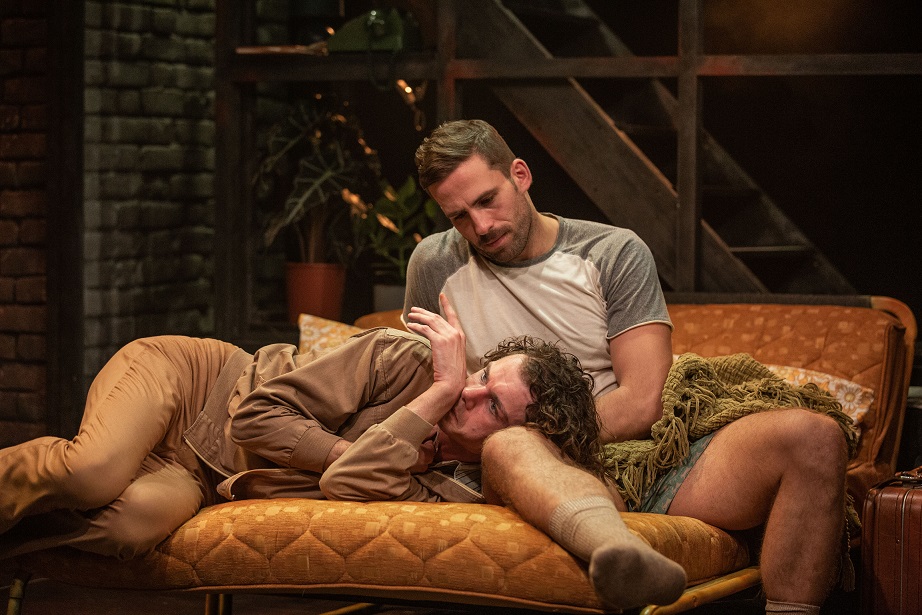 Matthew Needham, playing drag queen Arnold Beckoff – as well, in the monologue which opens the opening act “International Stud”, as his stage persona Virginia Ham (main picture) – has surely moved away from the interpretations of his predecessors, bringing a degree of restraint to the role, as well as the lithe sensuality that’s inherent in his slim physique. Arnold’s acerbic view of life may be characterised by self-deprecation, but it never comes at the strength of his own dignity, regardless of what he’s dealing with, principally the complexities of attachment. They range across the board, from his on-off lover, Ed (Dino Fetscher, pictured above, with Needham), who’s more than ambivalent about a relationship and departs in due course for conventional marriage, to the much younger partner Alan (Rish Shah) who appears in the second section, “Fugue in a Nursery”. Though the brevity of Alan’s presence in the new version seems to be the main cut that Fierstein made, the way he leaves the story is as abrupt as ever: whatever else has changed over the years, vicious prejudice has, tragically, not gone away.
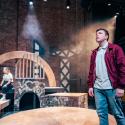
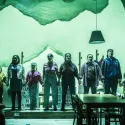
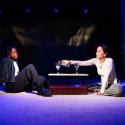
Then in the final, longest part “Widows and Children First”, Arnold confronts family obligations at both ends. Despite its accompanying wrecks, his life is assuming a new domesticity as plans to adopt David (Jay Lycurgo), the gay kid from off the streets whom he’s been fostering, proceed (Ed’s return to sleep on the couch, in a trial separation from his wife, may hint at other horizons, too). But it’s the appearance of his mother (Bernice Stegers, flinty, pictured below) that steals the limelight in a showdown that’s as emotionally wrenching as ever (heartbreak never changes). The poignancy of the closure is nevertheless offset by its ebullient Jewish humour – its combination of comedy and pain surely owes something to Neil Simon – even as Arnold’s longing for approval seems fated to remain unfulfilled, the (in)balances of expectation apparently unreconcilable.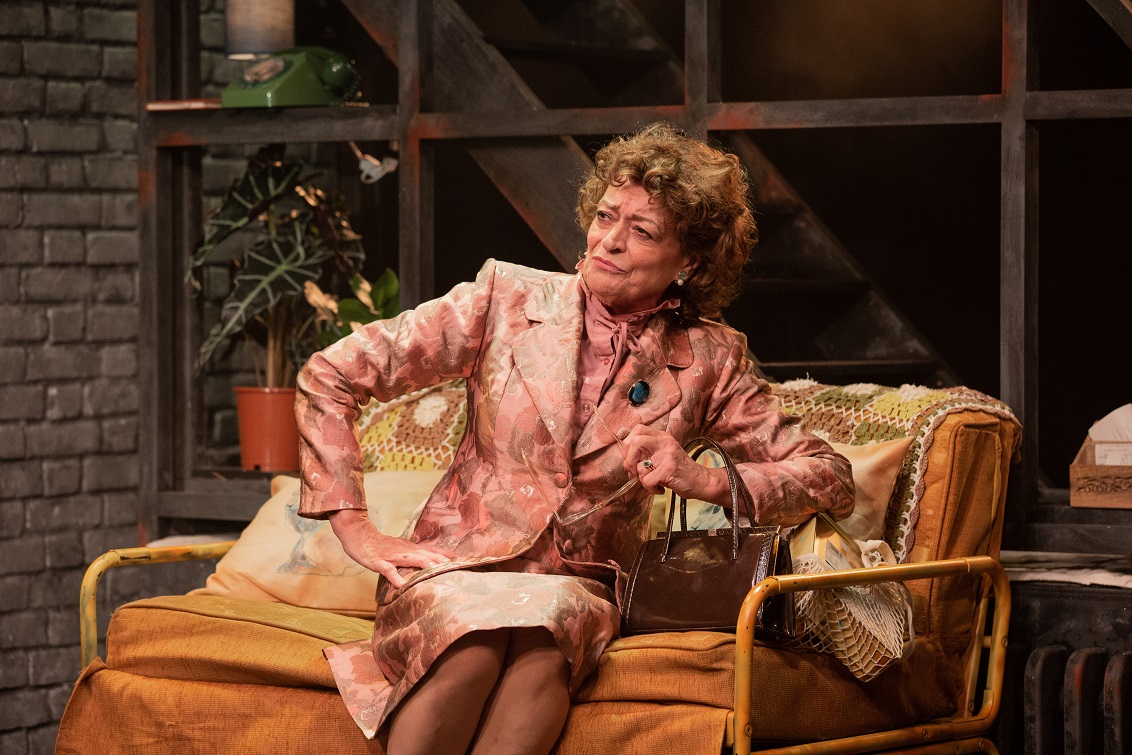 Director Drew McOnie deftly handles Fierstein’s fluid structure, which moves from monologues – Needham is brilliantly assured early on as he takes us through the awkwardness of a particular backroom encounter – and duets to group scenes: the Coward-like second-act ensemble of couples rotating in different combinations between the sheets of a large double bed is done with particular aplomb. Ryan Laight’s set puts the new venue’s small stage to good use, especially for the closing act's crowded kitchen bustling.
Nestling beneath the Grosvenor Bridge railway arches, and complete with occasional overhead rumbling of trains, the Turbine has an attractive intimacy to it – it certainly feels different in style from the massive Battersea Power Station redevelopment next door – that works nicely for a play that’s about big city life in all its rich (un)congeniality. Here’s looking forward to what founder and artistic director Paul Taylor-Mills’s first season will bring.