Solo plays and performances are, of necessity, the theatrical currency of the moment, whether across an entire season at the Bridge Theatre or last week at the Old Vic in the too briefly glimpsed Three Kings, starring a rarely-better Andrew Scott. This week's blink-and-you-miss-it offering, pre-recorded (unlike the Scott entry) but also available online for a few days only, is a new production courtesy the Hope Mill Theatre, Manchester, of Martin Sherman's 1999 play Rose, which premiered at the National before transferring the following year to Broadway. (A percentage of ticket sales are going towards charity.)
This monologue's premiere garnered attention for the indomitable presence of Olympia Dukakis as the octogenarian survivor of an unforgiving century. The exciting news this time out is that the role's inheritor, Maureen Lipman, is even better in a part that has also been played in the interim by Janet Suzman, Lipman's onetime co-star in the London debut of The Sisters Rosensweig. As before, you may feel that Rose's discursive look back on a varied (to put it mildly) life doesn't penetrate its numerous topics as deeply as it might: the writing opts for sentimentality when you most want it to surprise.
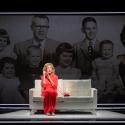
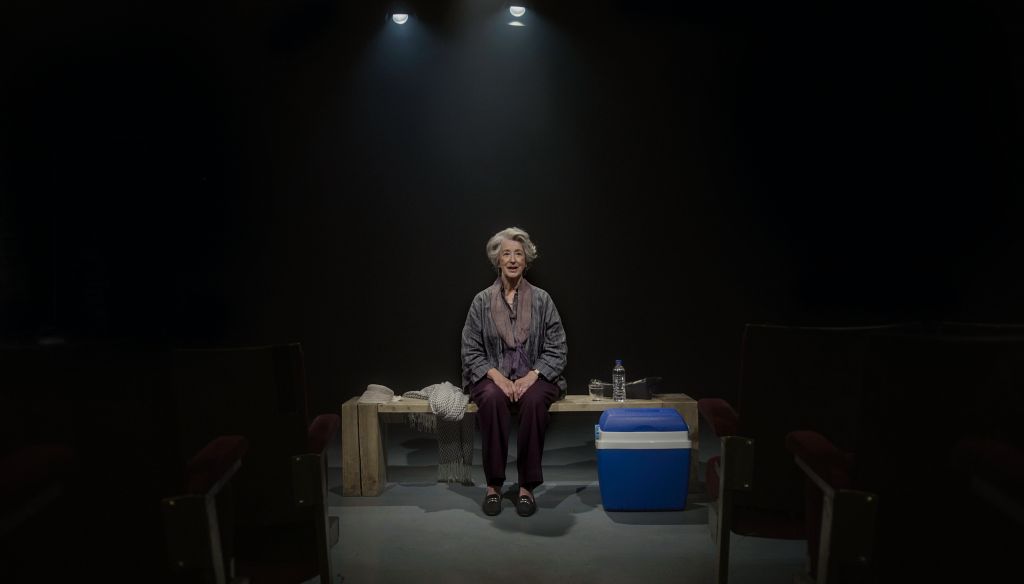
But Lipman, who is far nearer to the age of the character than was Dukakis two decades ago, at every turn forsakes possible shtick to reveal something flinty and hard-edged that I've rarely clocked in her before. Sitting on a wooden bench confronting an empty auditorium (that image itself has become a cultural commonplace), Lipman traverses the narrative picaresque of her life with mordant wit and an unflinching candor: "Isn't it strange I'm still alive?" she asks, between swigs of water and rummages through the various pill that have enabled this Ukrainian-born, twice-married Jew to see another day. (Movingly, she recounts near the end an absence of the energy needed to get a second bottle of water.)
 And so we hear of her journey from the shtetl, the middle-child of a "saintly" but also steely-seeming mother, through the Warsaw Ghetto and across to America, where she marries a man whose surname matches her first name - hence a new lease on life as Rose Rose. From Atlantic City, she moves on to become a Miami hotelier and to have a gay grandson, whom she later visits in the film industry in Hollywood. Only then is she made to realise that the vaunted "dream factory" is scant match for the ongoing "hallucinations", as Rose calls her mental wanderings, of a woman whose very being symbolises resilience and survival in a world that can crush the spirit, not to mention annihilate the flesh, at any time.
Part history lesson (we're reminded that the Jews built Hollywood), part cultural homage (Rose references Fiddler on the Roof and sometimes comes across as a wearier, older Tevye), Sherman's play folds images of visceral horror - dismemberment, for one - into the essentially life-affirming tale of someone seen gasping for breath but also clinging to life. Rose is sitting shiva when the play begins but only do we realise two hours later the import of this gesture, which finds a tearful Lipman having to confront fresh horrors amid a life that has known enough of them. Helping her get through it all is a ready humour that helps, for instance, to elide her menstrual period and the pogrom into a single and singularly trenchant quip that Lipman plays as a revelation of character, not as a convenient punchline.
Looking terrific, hair swept back as the director Scott Le Crass's camera surveys Rose from all sides, Lipman conveys a woman toughened by experience but in no way immune to empathy. Eating Breyers ice cream (a classy choice), she powers through a protracted self-reckoning that is as sexually frank as it is querulous when it comes to God. Newsreel footage pops up now and again to amplify one or another location, but the emphasis remains as it must on the life heard but not seen pouring fourth from Rose, who is made to confront recognisable issues of assimilation and cultural identification as she ponders the existence first of Palestine, then of Israel, alongside what it means to speak Yiddish as opposed to Hebrew. If the writing sometimes seem to be ticking off hot-button topics in an effort to cover all bases, Lipman communicates the ongoing unrest of displacement, both physical and psychic. And she locates a tremulous fury towards the end that widens well beyond the text to make one wonder what this woman pondering "the bright new 21st century" would make of the darkness we inhabit now.