

Rediscovered work offers aficionados a tantalising piece of the puzzle. Terence Rattigan’s callow debut, reborn after 80 years in obscurity, bears the hallmarks of his later plays, notably closeted ardour and the torment of unequal passion, but is more study than finished painting: ideas sketched, colour yet to be filled in. It does, however, have the distinction of at least partial veracity, inspired by the influx of theatrical luminaries to the Oxford University Dramatic Society while Rattigan was a Trinity College undergraduate.
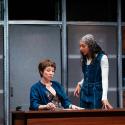
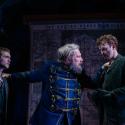
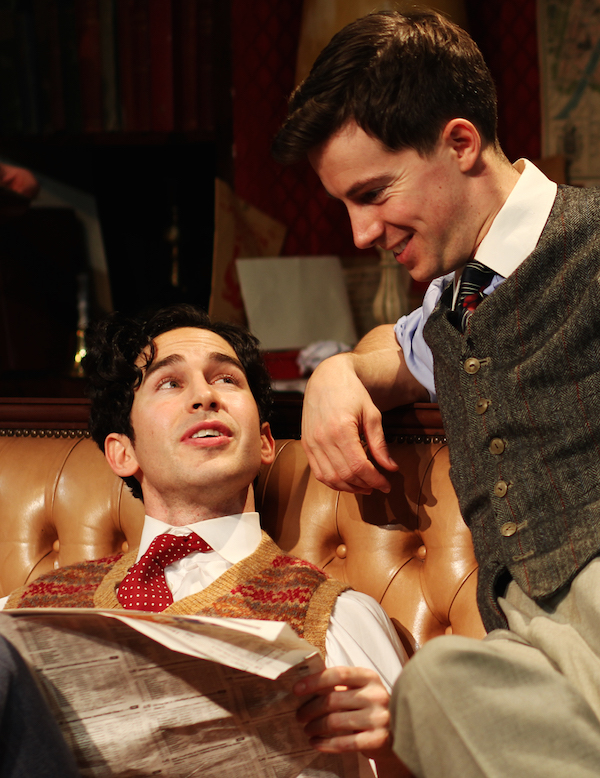 One of those luminaries, the inimitable Peggy Ashcroft, is the model for First Episode’s Margot Gresham (Caroline Langrishe), a fêted film star lured to Oxford by student producer Tony (Gavin Fowler, pictured right with Philip Labey). They begin a doomed affair, sparked at a party thrown by his housemates, unsophisticated Bertie (Adam Buchanan), derisive David (Labey) and jovial Philip (Alex Hope), while Joan (Molly Hanson), Tony’s former flame, is callously passed on to his friends.
Rattigan and Philip Heimann, who co-authored the 1933 play aged just 22, write with breathless immediacy, capturing the frailty and brutality of reckless youth. That fevered haste does, however, create myriad dramatic issues; a late swerve into darker territory feels hollow, undercut by perfunctory characterisation.
The miscasting of rather stolid Fowler as charming Adonis Tony compounds the problem. With only a few cursory scenes in which to develop two contrasting intimacies, and no shorthand via palpable charisma, his hold over Margot and David is rendered implausible. Labey does sterling work to weight their subtly amorous exchanges – editor Dan Rebellato reinstated such controversial passages excised by the Lord Chamberlain, honouring Rattigan’s original intentions. Wry Langrishe lacks Margot’s magnetic glamour, which makes her universal adoration puzzling and her great fall more of a stumble.
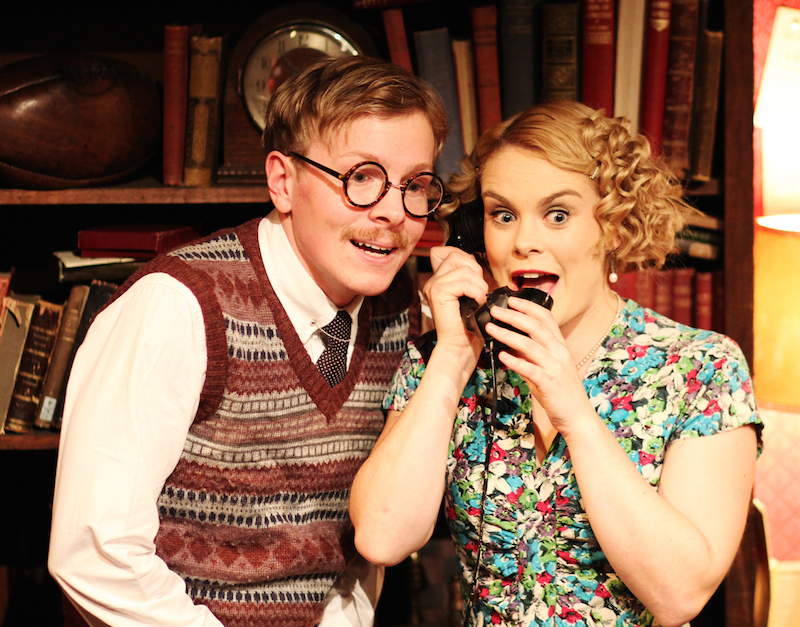
Buchanan (pictured below with Molly Hanson) proves a comic delight. His naïve, bespectacled Bertie – meta-theatrical symbol of censorship’s overblown moralising – is amusingly hapless while maintaining heartfelt benevolence. Hanson brings irresistible warmth to Joan, who Rattigan doesn’t trouble to imbue with any characteristics other than ditzy and desirable. Gendered double standards are fleetingly probed via David’s misogyny and Bertie’s strictures, yet homosociality is venerated. “The friendship of young men can be very selfish,” observes Margot, whose exclusion leads to a moment of desolation that hints at richer portraits to come, from Hester Collyer to Millie Crocker-Harris.
 Tom Littler’s affectionate revival is packed with period detail, from Emily Stuart’s meticulous costumes to Neil Irish’s treasure trove set, which positions the action in the space between sex-obsessed adolescence and tentative adulthood. Rattigan, now considered more reactionary than revolutionary, shocked with this scandalous portrayal of immoral behaviour among the privileged, yet ultimately conforms to Wilde’s epithet that, in fiction, the good end happily and the bad unhappily; so-called degeneracy, while treated sympathetically, does not go unpunished. An enjoyable first episode, but regular Rattigan viewers know there are superior treats in store.








Add comment