Distant Memories of the Near Future, Summerhall ★★★★
About three decades into the future, love has been "solved" – with (what else?) an algorithm, and a healthy splash of AI. It’s so successful, in fact, that states worldwide officially mandate computer-generated coupledom because of its benefits for productivity and consumption. Heaven help you if you’re one of the rare undesirables, unmatchable with another by the ubiquitous Q-PID app. Meanwhile, all the flowers have disappeared, asteroids are being mined for their rare minerals (now exhausted on Earth), and a compulsary daily 10-minute advert exposure comes courtesy of the Department of Productivity and Amazon.
There’s quite a lot of whimsy in David Head’s solo storytelling show of five interconnected tales from a dystopian near future, but his targets – consumerism, the commodification of emotions, climate change – are rock-hard. Most importantly, it’s all unsettlingly plausible – not just in the small imaginative leaps that Head makes from where we are now, but also because of his deadpan delivery and spot-on TV ads and AI simulations.
And that’s where the charm of Distant Memories of the Near Future comes in. Scratch the surface, and there are some pretty horrifying predictions being made, but Head delivers them with dark, knowing humour, and an emphasis on the value of authentic human connection that – he insists – will forever transcend the technology-mediated transactions he’s describing. So much so that it’s only after the show has ended that you might begin to realise quite how bleak Head’s visions really are.
He’s a low-key, gently spoken performer, captivating in his delivery and clear-headed in his evocative, enjoyably complex writing. There are moments – notably, and most atmosphere-disturbingly, towards the end – where Head’s lengthy use of video threatens to break the human connection he offers, and thereby undermine the argument of his show. Nonetheless, Distant Memories of the Near Future is a beautifully crafted, gently satirical and scarily believable vision of the future, delivered with charm and insight.
 Soldiers of Tomorrow, Summerhall ★★★
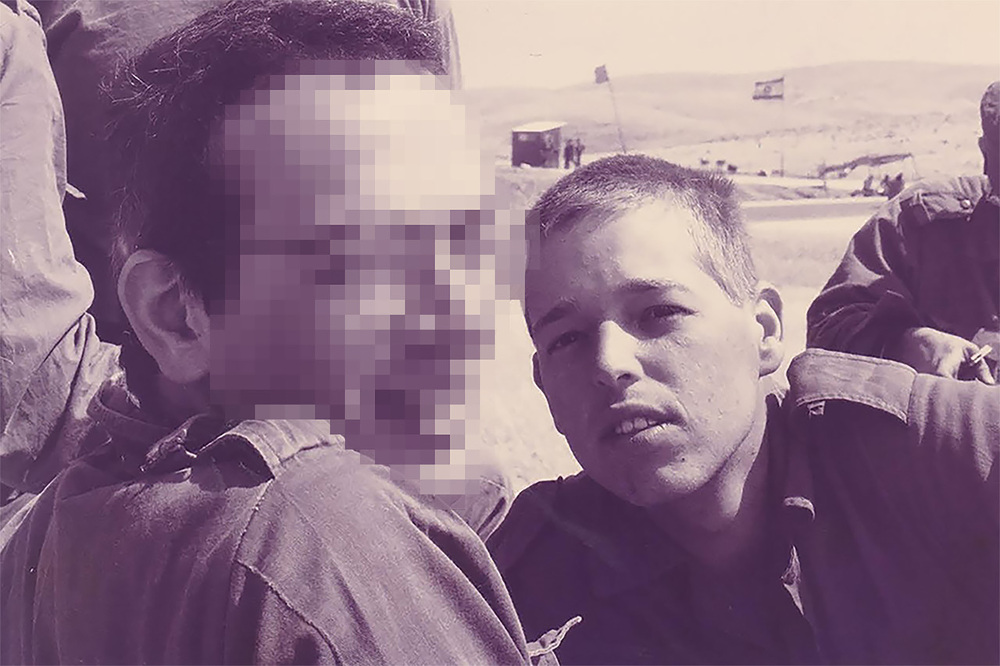
There’s a distinctly chilling memory lodged behind the show’s somewhat militaristic title, as Jerusalem-born, now Vancouver-based actor and deviser Itai Erdal remembers his eight-year-old nephew in Israel being sent home from school with an empty box, and orders to fill it with provisions for soldiers on the front line. The dedication inside read: "For the soldiers of today, from the soldiers of tomorrow."
The implications of endless conflict, endless violence and endless loss of life are clear. And while there’s no shortage of quiet sadness in Erdal’s poignant show for The Elbow Theatre, it’s far from a holler of rage at the intractable Arab-Israeli conflict, still less a side-taking bit of agit-prop.
Instead, Soldiers of Tomorrow is a surprisingly gentle, personal piece about memory and human suffering, as Erdal frankly recounts his own military service, and the unlikely friendships he built as a result, while never shying away from the ends to which that training might later be put. Memories of a later checkpoint encounter with a grandmother and a sick child are particularly harrowing, for example. Brian Ball’s simple but effective set design surrounds Erdal threateningly with troupes of miniature soldiers, but are they the enemy forces he’ll be asked to fight, or perhaps the endless ranks of his own side? A box of flags serves as a reminder of the long history of Middle East conflict and occupation.
In the end, Soldiers of Tomorrow may prove a little too reflective to convincingly grapple with the big questions it raises, let alone suggest any answers. But it nonetheless provides a deeply human perspective on the conflict and its cycles of violence, and shines a bright light on the breadth of Israeli experience.