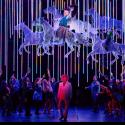
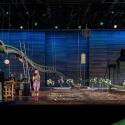
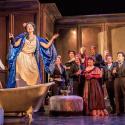
The scene is Monte-Carlo, around the beginning of the last century: a carefully observed world of cloudless skies, glittering seas, high society and careless privilege shared with Death in Venice. John Cox’s staging works in cool harmony with the timeless, dangerous comedy of sexual politics devised by Mozart and da Ponte – and with the specifically English culture of country-house opera.
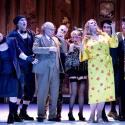
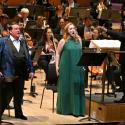
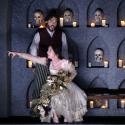
The first night on Thursday was slow to ignite, a touch clunky in transition from casino table to hotel suite, conducted by Tobias Ringborg as if dotting every i in a recording studio. It snapped together with a beautifully centred “Smanie implacabili” from Polly Leech’s Dorabella, pitched acutely between a caricature of desperation and genuine anxiety. Leech’s cry of “Fuggi, fuggi, fuggi” – in response to nothing more than a cup of hot chocolate – captures the spirit of the piece in a nutshell, as a knife-edge parody of and homage to operatic conventions (and her biscuit eating deserves an Oscar nomination). Likewise, Camilla Harris sings Fiordiligi’s “Come scoglio” with a secure command of its perilous leaps of register, and crucially without putting on airs of eternal chastity. 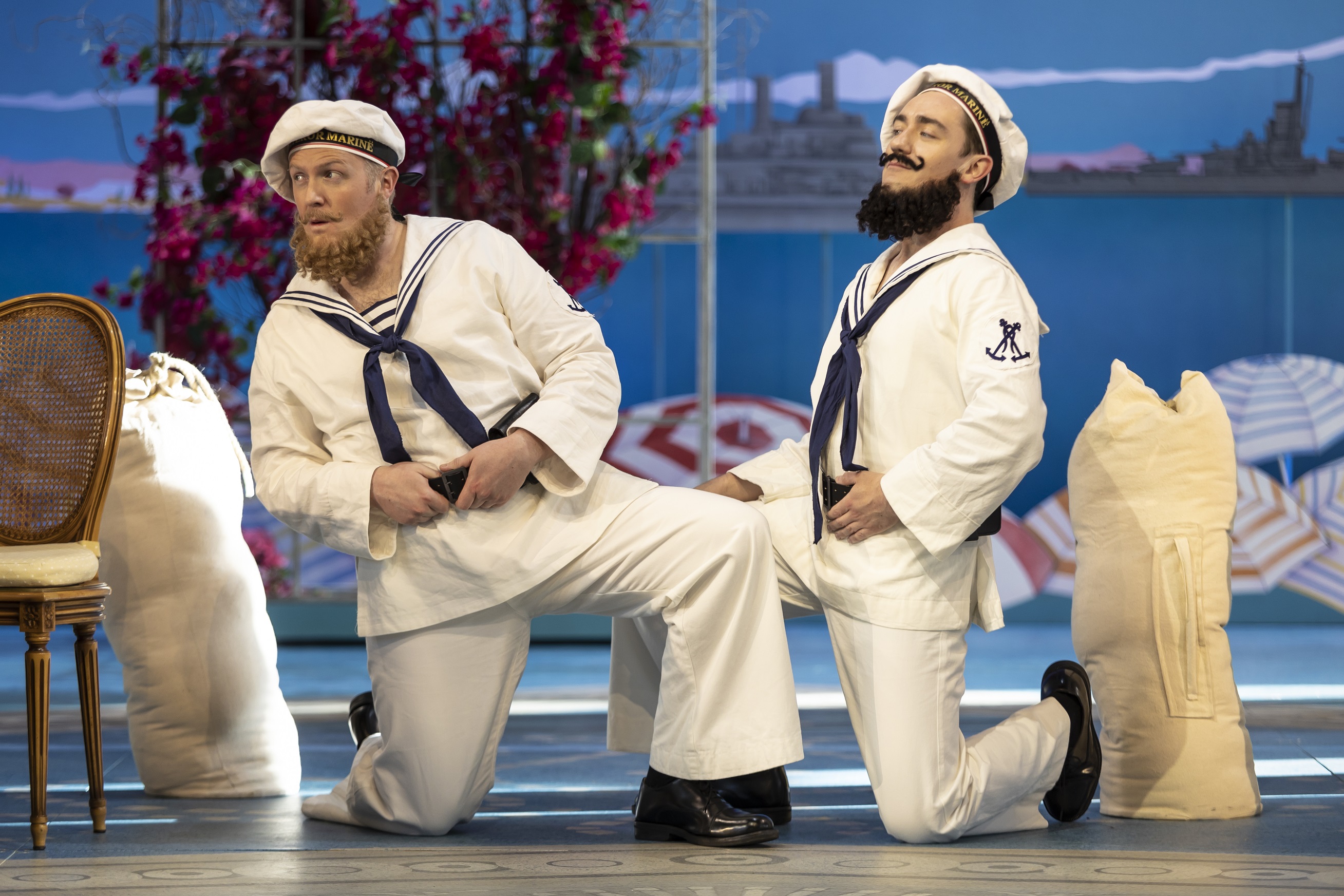 The two officers – and Albanians (pictured above) – are just as finely distinguished from each other as the sisters. As a silkily Italianate Guilermo, Seán Boylan is no more wholly the brittle Casanova than Gavan Ring is the vulnerable poet, though Ferrando’s “Un’aura amorosa” lets the tension sag before the first-act finale, a serenade sung as a soliloquy. All four lovers give youthful and impetuous but fully rounded accounts of their roles.
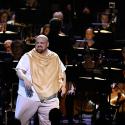
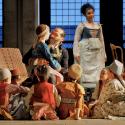
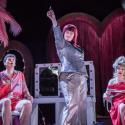
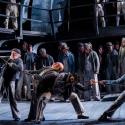
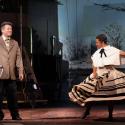
It is at this point that “Bella vita militar” – crisply dispatched by a well-drilled Garsington Chorus – takes on graver significance than a put-up job. The sisters’ (temporary) reappearance as military nurses stamps a specific time and context on Don Alfonso’s wager. It also charges the drama with vital and provisional tension: perhaps Don Alfonso is no more master of the situation than anyone else. Henry Waddington leaves world-weary cynicism to our imaginations and sings him as a polished chancer largely operating on the fly. 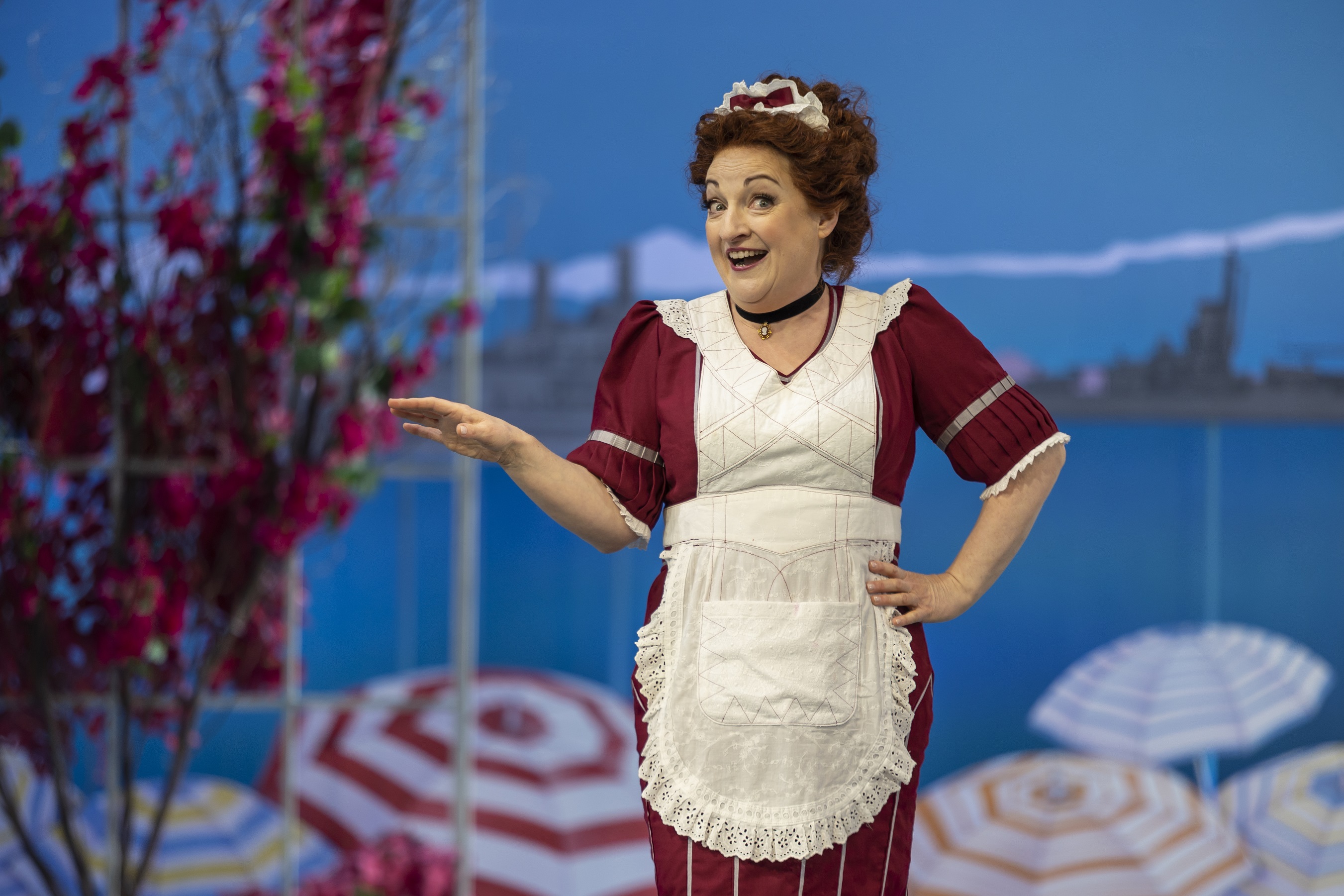 The first-act finale itself comes together as a superbly musical piece of work, stage and score moving in rapid and ingenious sync. A measure of agency – again temporary – passes to the girls in the second act while the subtleties of staging and characterisation multiply, so much so that the big reveal – and Così has to end somehow – comes as a slight let-down by throwing the fate of the lovers to chance. Sung by Ailish Tynan (pictured above) with knockout timing and brightly focused tone, Despina is left as hurt and confused as the sisters.
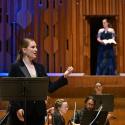
Full of human warmth as well as uncomfortable truths, like the pages of La Rochefoucauld come to life, it’s nevertheless a Così of considerably greater charm and more lasting satisfactions than either of the current ENO and Royal Opera stagings, operating at the highest musical levels. Ringborg supplies an unfussy fortepiano continuo and secures crisp, colourful playing from The English Concert: the horns deserve special mention for their spicy obbligato support of Fiordiligi’s “Per pietà”. Those of us already inclined to think of Così fan tutte as something like the perfect opera will find every confirmation here.