When the biggest laugh in Bernstein’s Candide goes to a narrator’s mention of how nationalism was sweeping through Europe, you may have a problem. Still, the Bernstein Centenary has been among the best of all possible anniversary celebrations this year and at the LSO Candide - the great man’s bonkers operetta-ish take on Voltaire, a flawed masterpiece with a succession of glorious tunes and snappy lyrics - could have been its apex. At times, it was.
If it wasn’t wholly up there, that is in large part due to the conundrum the piece poses about how to bring it convincingly to the stage (or here, semi-stage). The Voltaire original is – as our narrator, Panglosse/Sir Thomas Allen, remarked a few times too many – a "picaresque" novel in which adventures take place in every paragraph. The illegitimate Candide grows up with an uncle’s family in Westphalia, falls in love with his cousin Cunegonde and is tutored, together with them all, by Panglosse, whose philosophy is Optimism: this is the Best of All Possible Worlds. Then they all discover that it isn’t, through non-stop adventures around the globe: war, shipwreck, innumerable miraculous escapes, multiple resurrections (“You were dead, you know…”) and, in Eldorado, the most boring paradise on earth.
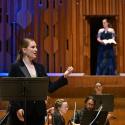
Implicitly, that means the action needs a tight, slick pace, and here, with a somewhat over-stuffed narration to explain the story, it risked the occasional sag. But the work has an awkward dramatic structure: the action may be full of character and colour, but it simply continues until Candide and Cunegonde have had enough and decide to settle down. There seems no particular reason for them to sing the ever-stirring "Let Our Garden Grow" exactly when they do, other than that their audience has been there for two and a half hours and it’s home time. 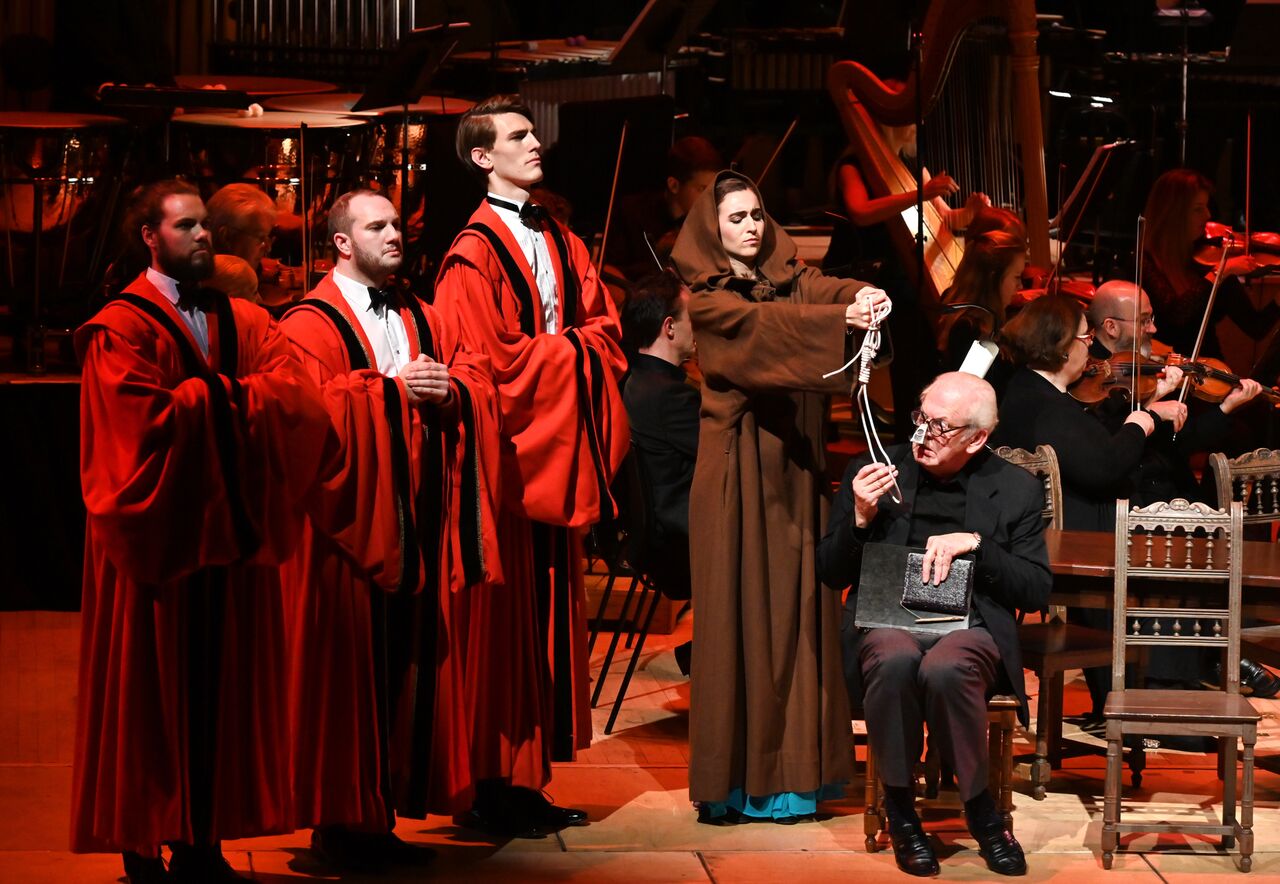 But my, oh my, that music. Those lyrics. That singing. And some really intelligent conducting. Marin Alsop, who studied with Bernstein, brought the score beefy lyricism, biting irony and sensible tempi. It might be tempting to take certain numbers faster, but you wouldn’t be able to hear, let alone sing, the words. Those lyrics - by Richard Wilbur, Stephen Sondheim, John Latouche, Lillian Helman and Bernstein himself - need to be centre stage, and were.
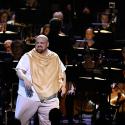
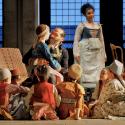
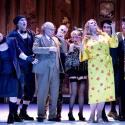
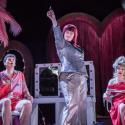
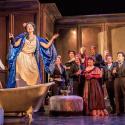
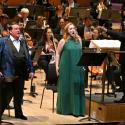
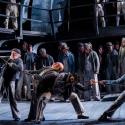
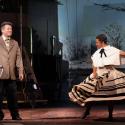
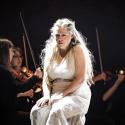
As Cunegonde, Jane Archibald relished all the coloratura glory, bringing the house down with a "Glitter and be Gay" that laid on with a trowel contrast, hypocrisy, fun and sheer exultation. Her duet with Anne Sofie von Otter’s Old Lady, "We Are Women", was a joyous highlight too, with Alsop, looking round laconically from her podium, turning orchestral interjections into an implied commentary. Allen was a suitably blustery, endearing Panglosse and Leonardo Capalbo brought the unfortunate non-hero’s numbers a lovely Italianate glow. Von Otter shone bright with charisma and multifarious accents in "I am Easily Assimilated". Tenor Thomas Atkins and baritone Marcus Farnsworth (pictured above on the left with Allen, seated) made the most of a quantity of smaller roles each. The rest of the cast was cruelly uncredited in the programme, including Paquette – a definite solo role – and two adorable, pink-eared Eldorado sheep.
But it was the London Symphony Chorus, above all, who seemed to be having the time of their lives and injected this performance with a pizzazz that was a hundred per cent irresistible.