There’s a lot to shout about in this Orpheus, especially the way it looks. In a thin year for staged opera at the Edinburgh International Festival, they’ve gone for an eye-popper with this staging of Gluck’s most influential work. Premiering at Australia’s Opera Queensland in 2019, its star attraction is the Brisbane-based Circa Ensemble, a group of acrobats, circus artists and physical performers whose antics light up the stage.
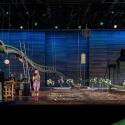
As the opera begins, we see a solitary female performer suspended from the top of the proscenium who gradually dances, rotates and levitates her way to the stage floor as the overture progresses. That sets the scene for a series of increasingly dazzling performance feats as the opera progresses, sometimes commenting on a scene, sometimes providing an athletic contrast to it.
But how much does it really add to the unfolding drama? The theme of this year’s EIF is The Truth We Seek, and there’s a useful essay in the programme about how, in Orpheus, Gluck sought to restore dramatic truth to opera. So how would he have felt about a set of circus artists taking the attention away from his drama? Some of the acrobatics enrich the story, and they tend to be the more subtle ones. I liked the gentle round dance surrounding Eurydice as Orpheus sings "Che puro ciel", and there’s something creepy about the dancers who crawl over Orpheus in the opening scene, as though embodying the grief and torment that threatens to engulf him.
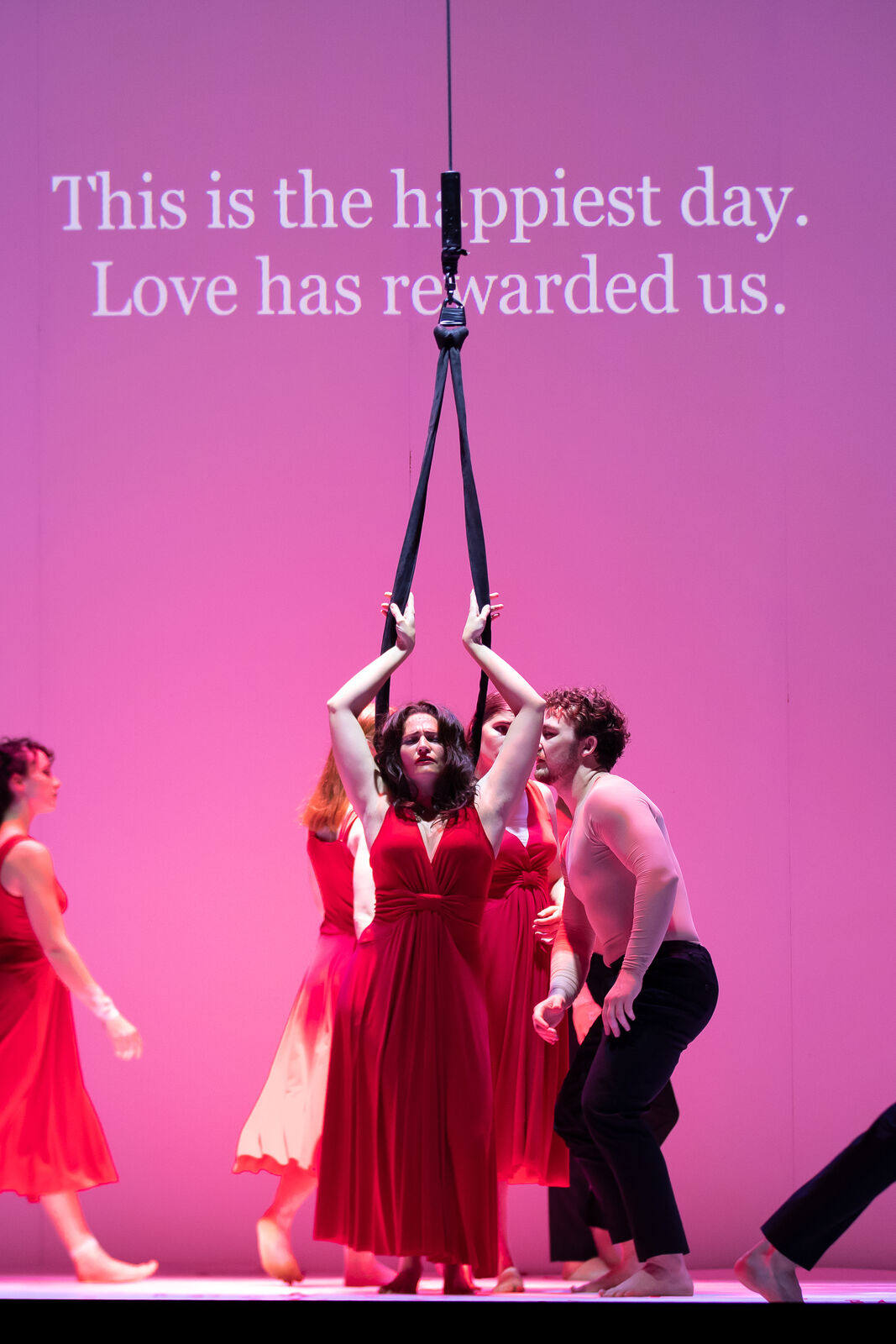 Elsewhere, however, a lot of what they do is impressive but distracting. The vertical dancing as Orpheus encounters the Furies is diverting but has little to do with the gravity of the action, and while the collapsing human towers induce gasps from the audience, they take the attention away from Orpheus’ grief in Act 1. More than that, it lets the singers off the hook. Why should they do much acting when the acrobats are doing it all for them? During Act 3, the one point in the story where the human interaction should be at its most acute, the singers playing Orpheus and Eurydice do basically nothing while the dancers behind them get up to all sorts of contortions. That feels like a copout, which they sort of admit by having Orpheus singing "Che faro" straight into the audience with nothing else happening on the stage. That’s the musical heart of the evening, and close to its dramatic heart, too.
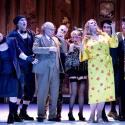
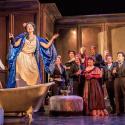
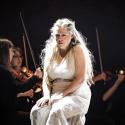
As Orpheus, Iestyn Davies sounds ethereal and beautiful, if a little tired by the evening’s end. That might be the venue, though: the Scottish Chamber Orchestra play in the pit and, under Laurence Cummings’ direction, sound lithe and exciting; but they’re dwarfed by the cavernous space of the Edinburgh Playhouse and sound almost comically quiet from the back of the auditorium. The chorus, drawn from Scottish Opera, don’t have much to do, but sing mourners and Furies with aplomb. Samantha Clarke (pictured right) sings both Eurydice and Amor, and brings full-blooded dramatic contrast to Davies’ grieving hero.
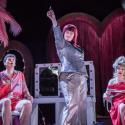
The rest of the production is straight, if not particularly interesting. It’s directed and designed by Yaron Lifschitz, Circa’s Artistic Director, who sets it in a white box, and doesn’t have a lot to say beyond his company’s aerial acrobatics, though I enjoyed the moment where Amor turns into a cabaret singer. The ending goes bananas in a way that had me tutting and rolling my eyes: even in distant Australia regietheater has found its place!
Really, therefore, this is an opera that’s almost more about the acrobats than it is about the singers. That makes it appealing and interesting, but also a little jarring. I’m pleased to have seen it because I’ve never seen an opera production quite like it, but I don’t think that’s an altogether bad thing.