We probably think we know the story. From Peter Weir’s cult 1975 film, or even from the original 1967 novel by Joan Lindsay. An excitable gaggle of Australian schoolgirls from an uptight, English-run boarding school take a trip to sinister volcanic Hanging Rock, where four vanish – three students, one teacher – leaving no clues as to what’s become of them.
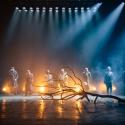
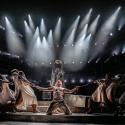
Although it’s entirely fictional, it feels like a tale that’s existed forever, one that needs to be told and retold. And it’s Picnic at Hanging Rock’s mythic status that sits at the core of this superbly fierce, austere staging by Melbourne’s Malthouse Theatre, currently in residence at Edinburgh’s Lyceum Theatre. The story we know is all present and correct – indeed, with its episodic structure and even key lines of dialogue, the stage version feels broadly quite similar to the film. But writer Tom Wright’s lean adaptation is a world away from Weir’s seductive dreaminess, stripped-back, compact, and running without an interval for less than 90 minutes. It examines the work as a dark Australian myth, a tale that pokes at our consciousness to remind us of the untamed volcanic power simmering beneath our civilisation.
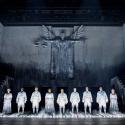
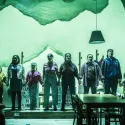
Director Matthew Lutton thankfully steers well clear of any grand guignol spookiness, however – apart from one made-you-jump moment. Instead, with its cool grey walls, its immaculate potted plants and its scenes announced by cryptic chapter headings on an overhead supertitle screen (pictured below), his show feels almost clinical – to begin with, at least.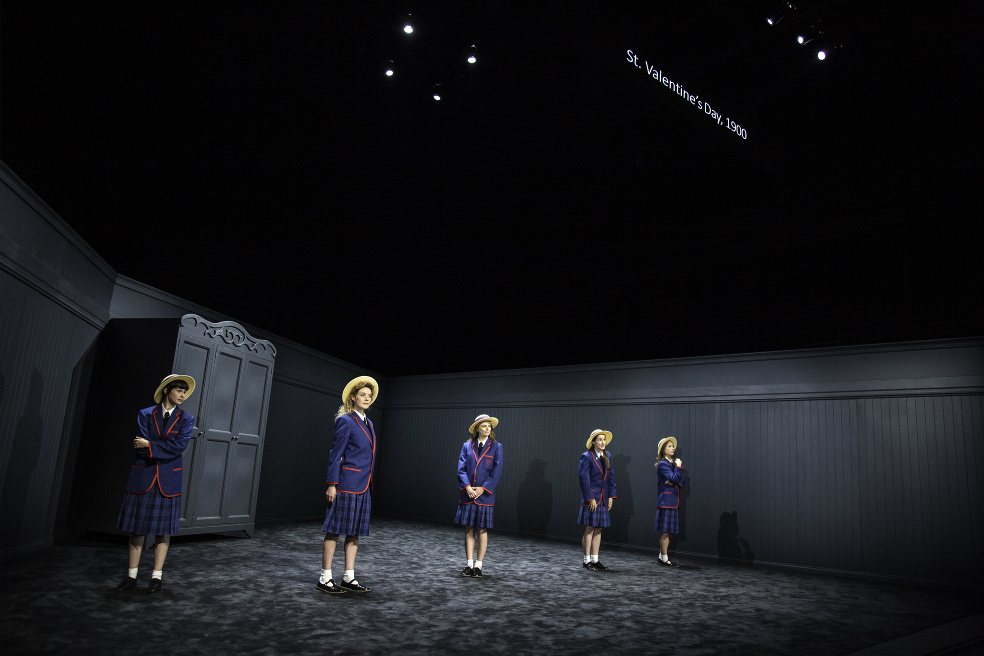 And at the very start, five schoolgirls of today, we suppose, recount the now legendary events of Valentine’s Day 1900, and the four mysterious disappearances, as detached but increasingly unsettled narrators, passing Wright’s weirdly poetic storytelling text between them. As the show proceeds, however, they can’t resist playing out its incidents, taking on its characters and examining its clues. And as the story starts to take hold of them, things begin to unravel, as clothing is shed, characters blurred, voices raised in fury and madness.
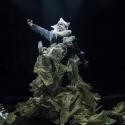
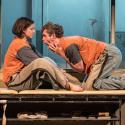
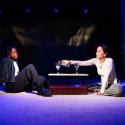
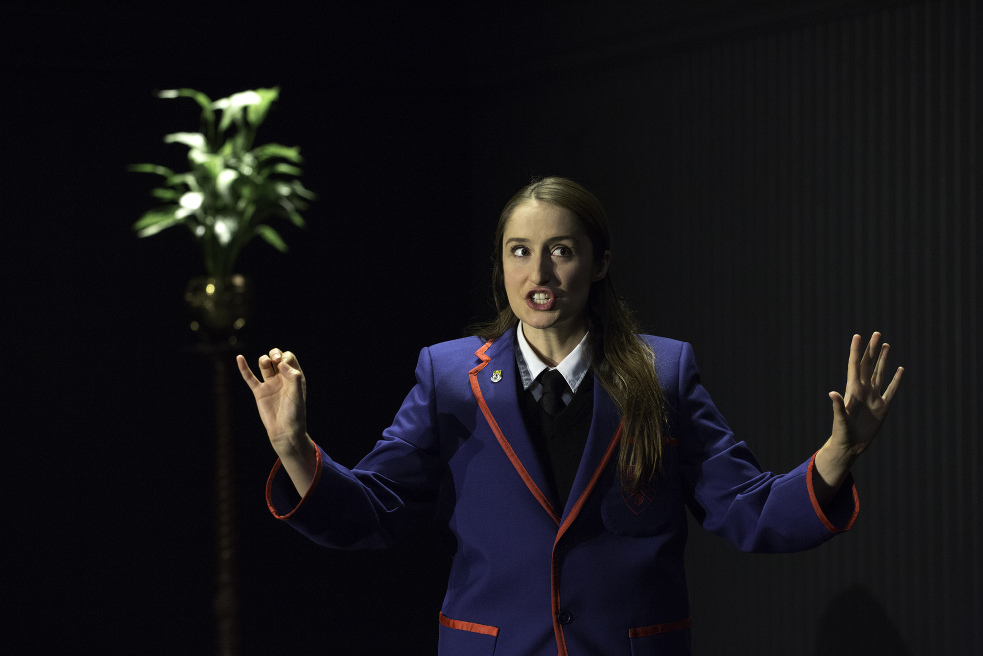
Lutton has an exceptional five-strong cast, and their timing works faultlessly alongside the show’s slick switchback structure – and special recognition should go to stage manager Tia Clark for some unaccountably swift set changes, too. Amber McMahon is perhaps a little hearty as young English visitor Michael who observes the girls and becomes obsessed with their fate, although it’s hard not to remember Dominic Guard’s hesitant portrayal in the film. Likewise, Elizabeth Nabben (pictured below) provides a far more steadfast headmistress Mrs Appleyard – immutably certain in her beliefs about English imperial superiority civilising this immature nation – than Rachel Roberts’ increasingly deranged harridan in the movie.
 With its mysterious hovering bushel of branches, Zoë Atkinson’s set has just the right mix of mystery and menace, and Ash Gibson Greig’s music and soundscapes are masterly, surrounding the audience with unaccountable clicks and rustles, or sometimes deafening electronic noise during its sudden plunges into darkness.
It’s a production that’s just as slippery and open to interpretation as the tale it’s telling. And in place of the film’s underlying focus on teenage obsession and repressed sexuality, Lutton looks at a broader repression of the untamed power of nature, our desperate need for the security of civilisation, and the unstoppable emergence of the wild. There’s true terror in Malthouse Theatre’s Picnic at Hanging Rock’s mysteries, for sure, but it’s a fear of the seething ferment we know is all around us, but never like to admit.