Robert Cray’s veteran blues band made a compelling case for their unique blend of soul and blues at the Barbican last night. Despite the five Grammys, record sales well into seven figures, and investiture in the Blues Hall of Fame in 2011 at the precocious age of 57, he’s sometimes suspected of watering down the blues tradition. What he’s actually done is preserve the most of the attitudes and atmosphere of traditional blues, while modernising some of the instrumentation and phrasing.
Off-stage, Cray is considered and soft-spoken. He comes across as a clean-shaven, fresh-scrubbed version of the blues, the sort of musician you could safely introduce to the in-laws. But from the moment the music started last night, there was a scowl in his eye, and an edgy purpose to his manner that showed how well he understood this music’s rebellion and empowerment.
The band has just released a new album, In My Soul, and about half of last night’s programme came from it, though there was a refreshing lack of plugging during the gig. There was a mixture of love songs alongside more domestic themes, in pieces such as Cray's “Poor Johnny”, “Chicken in the Kitchen” and the instrumental piece “Hip Tight Onions”, alluding to Booker T’s “Green Onions”. (Cray positions himself expertly in musical history.)
 Cray the political songwriter (he has played benefit concerts for Barack Obama, and holds moderate, if steadfast, progressive views) came through in “What Would You Say?”, a song about peace. While Cray’s lyrics aren’t, in themselves, especially original, the blizzard of minor chords gives the song serious impact, and the decision to stick with politics is commendable.
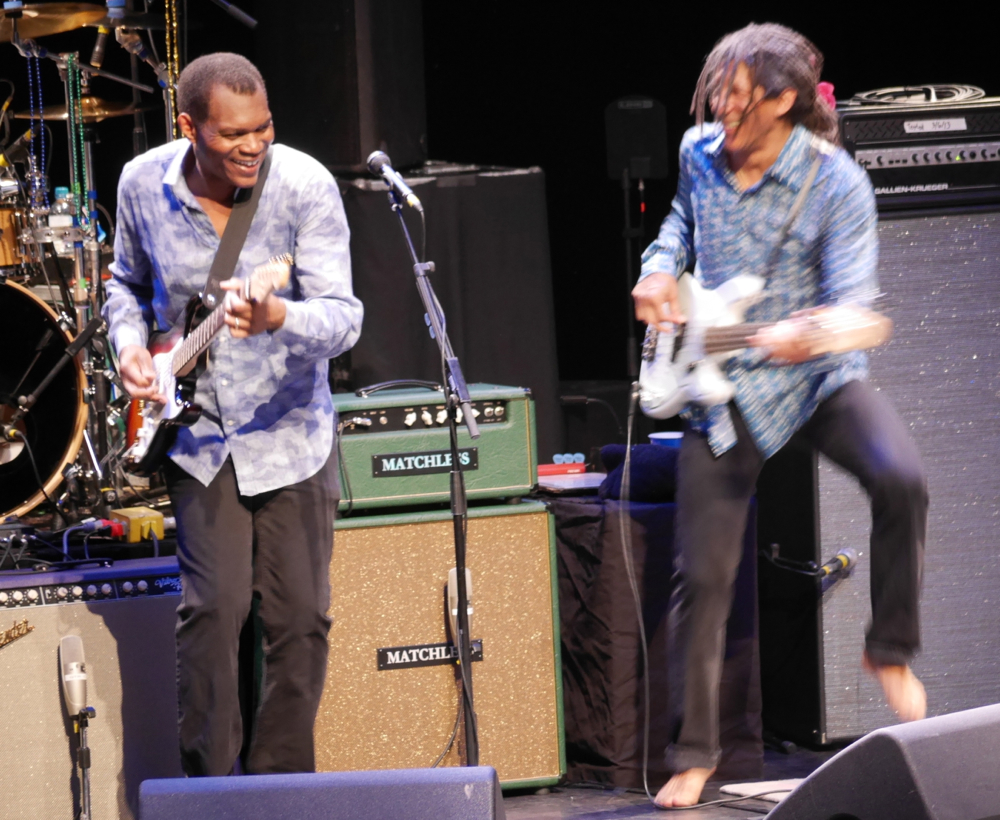
There was a familial intimacy about the elastic ensemble of Cray’s band, though this particular formation hasn’t been playing together for long. Bassist Richard Cousins and keys player Dover Weinberg both began playing with Cray in the 1970s, but left after a few years and re-joined much later; drummer Les Falconer joined only last year. Cousins kept largely to the shadows, though Falconer’s nonchalant swagger kept each song on track while Cray’s and Weinberg’s top lines (both on organ and the touches of Waller-esque stride piano, played on the synth) squirmed around one another.
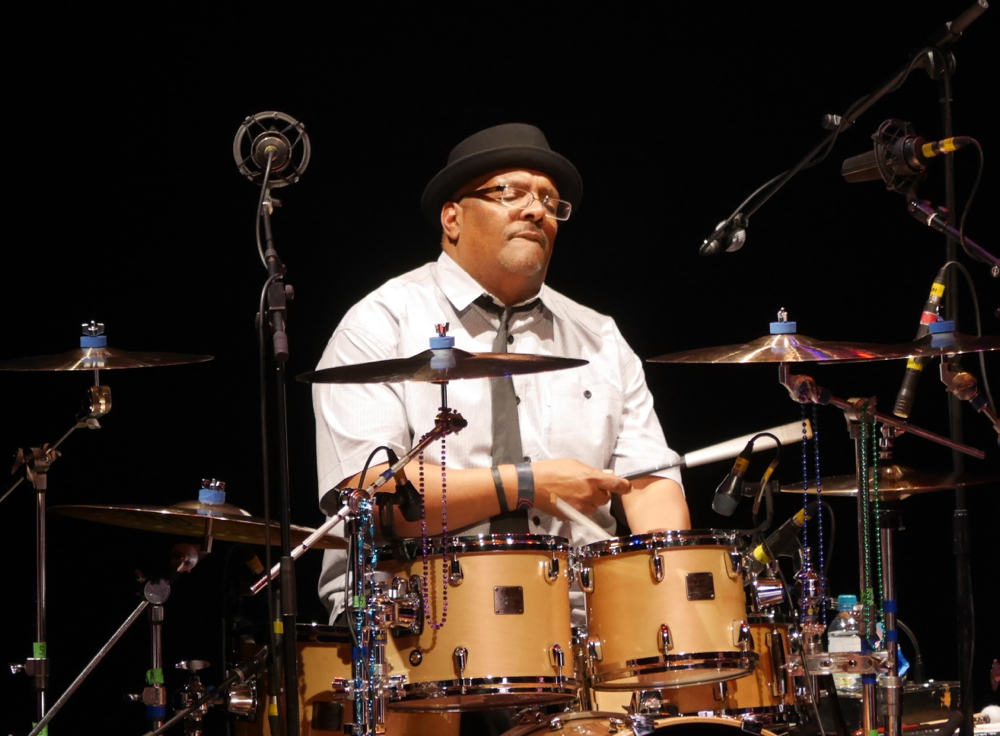 As the set progressed, the genuine sense of connection with the blues tradition increased. The arrangements provided a delicious range of fat, resonant sounds, from Les Falconer’s bass drum and Dover Weinberg’s swooning, squealing organ, to the slithering ecstasy of Cray’s solo work, and the warm thud of Richard Cousins’ bass. Despite the mournful lyrics, there was an irresistibly defiant spirit to many of these songs. Cray’s guitar solos become increasingly anguished and rebellious, while Weinberg’s organ couldn’t help but hint at the church music that stands in the background of so much of this repertoire.
One of the ever-amusing features of the London music scene is the wounded bemusement of American and Latin American bands looking for a rousing reception, and finding a wall of stony British reserve. Cray’s band received a polite standing ovation at the end of the evening; at least Cray, who has a British wife, must understand. Though their expression was muted, there was no mistaking the audience’s appreciation for these superb musicians, and the raw feeling they so touchingly voiced inside the genteel concrete vaults of EC2.