In 1969, a stream of creative new albums pointed to how what had grown from pop music could be reframed. Bob Dylan’s Nashville Skyline embraced country music. The Band’s eponymous second album drew on and was integral to defining Americana. The first album by Crosby, Stills & Nash shied away from the increasingly harsh template embraced by rock.
In contrast, and bridging the Atlantic, little was more harsh than the debut albums by The Stooges and Led Zeppelin. The year's boundary pushers were seemingly endless: Tim Buckley’s Happy Sad, Can’s Monster Movie, Deep Purple’s Concerto for Group and Orchestra, Fairport Convention’s Liege & Lief, The Flying Burrito Brothers’ The Gilded Palace of Sin, Joni Mitchell’s Clouds and the Catherine Ribeiro + 2Bis album.
 Pop or rock music no longer had one face. America’s 1969 began with Marvin Gaye’s “I Heard it Through the Grapevine” and ended with Diana Ross and the Supremes’ “Someday We’ll be Together” at number one in the single’s chart. In Britain, the year opened with Marmalade’s version of The Beatles’ “Ob-La-Di Ob-La-Da” and finished with Rolf Harris’ “Two Little Boys” in the top spots. However it’s looked at, no one story encompasses 1969’s popular music.
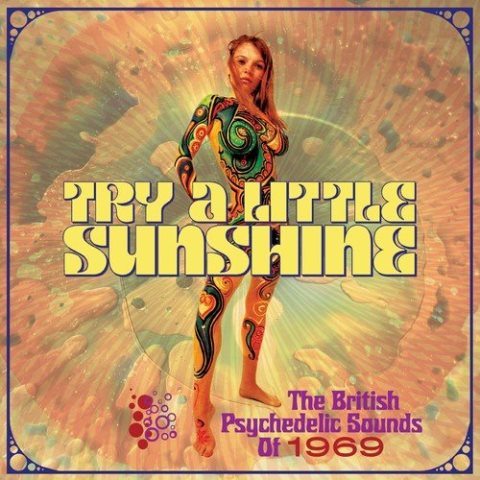
The bold new box set Try a Little Sunshine: The British Psychedelic Sounds of 1969 gets to grips with the year by addressing a particular aspect: one which, really, does not immediately spring to mind when pondering 1969. As the liner notes put it “1967 was undoubtedly the high-water mark of the [psychedelic] era.” By 1969, psychedelia was not the cutting edge. While acknowledging that “a significant number of great, heavily lysergic records were still appearing”, Try A Little Sunshine gets around its title and any related potential problems by ostensibly covering “every aspect of the 1969 British pop sound.”
 Try a Little Sunshine is a clamshell box set with three discs and a 44-page booklet. Over four hours and 78 tracks, the post-psychedelic fragmentation of 1969 is tracked through the well-known names Barclay James Harvest, The Spencer Davis Group, The Pretty Things, Procol Harum and Status Quo. Balloon Busters, The Bliss, The Hammers, Pure Gold and Taxi are less lauded. Lurking amongst the credits are Billy Connolly, who was in The Humblebums, Lemmy, who sings Sam Gopal’s “It’s Only Love” (not a cover of The Beatles song) and John Peel, who produced The Orange Bicycle’s “Last Cloud Home”.
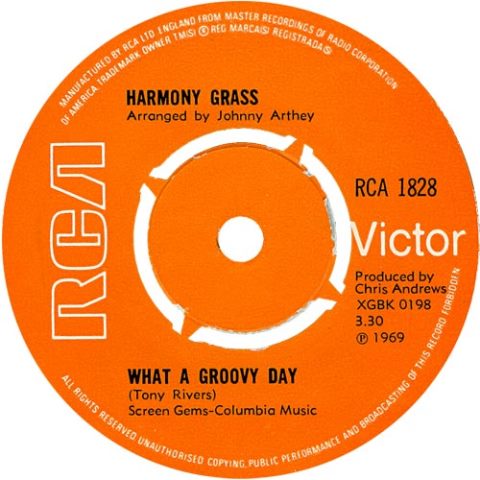
Although relatively obscure, some tracks are well known to collectors and have been reissued before. This column came across Jason Crest’s bonkers “Black Mass” last month when it appeared as part of the A Kaleidoscope of Sounds set. “Try A Little Sunshine” opens with its title track, a now-familiar October 1969 single by The Factory which, as the liner notes say, has more than hint of 1966 Who about it. The Harmony Grass single “What a Groovy Day” was issued in June 1969 but sounds like 1967-vintage harmony pop at its most silken. The compilation’s brief inevitably means there are throwbacks to a couple of years earlier.
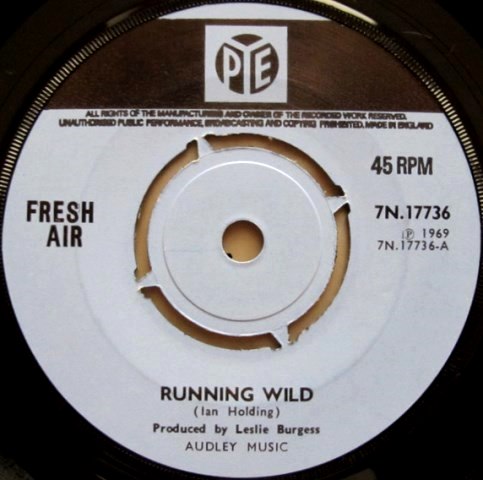 There are also tracks drawing from an encroaching heaviness. Fresh Air’s crunching “Running Wild”, oddly, sounds like Hüsker Dü. Up to this point, Status Quo had been serving up pop-psychedelia but their engaging non-album September 1969 cover of The Everly Brothers “The Price of Love” telegraphed where they would go upon wholeheartedly embracing boogie-rock.
Then there are the ground-floor-level prog-rockers, prime amongst which are Procol Harum with their monumental “A Salty Dog”. Writing on the Wall’s kinetic heavy-prog amalgam “Child on a Crossing” and the epic frazzle of Pussy’s “We Built the Sun” are as impressive. Sticking with the spirit of the title though, head for the distorted pop of The Orange Machine’s “Dr. Crippen’s Waiting Room” and “Burning the Weed” by Bobak, Jons, Malone – the latter as heady as its title suggests.
Notwithstanding the needless cover image of a naked woman, Try a Little Sunshine: The British Psychedelic Sounds of 1969 is thought-provoking and hugely enjoyable. Perhaps 1970 is next? Maybe there are enough “heavily lysergic records” out there to pull it off?
- Next Week: Kasahwa – the early singles of Zimbabwe’s Stella Chiweshe