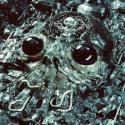
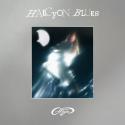
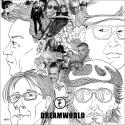
Stanley Kubrick’s use of music in his films has been inspirational. In 1999, The Caretaker – a nom-de-musique of Jim Kirby – issued Selected Memories From the Haunted Ballroom. While his alter-ego openly acknowledged the director’s film The Shining, the album’s music reconfigured vintage recordings of bands in tribute to the film’s haunted ballroom scenes.
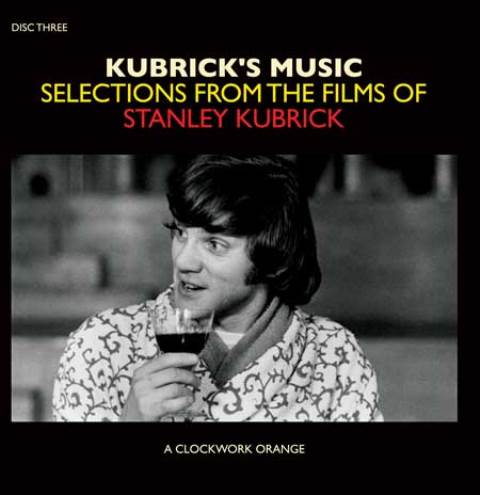
Kubrick has affected how music is heard. Until 1972, “Singin' in the Rain” was inseparable from the 1952 film of the same name. A song of joy, it exulted the shared belief that obstacles were there to be overcome. However, with the release to cinemas of Stanley Kubrick’s A Clockwork Orange it had a new setting. Now, it soundtracked a disturbing assault by Alex and his Droog cohort. With this repositioning the song was, arguably, tainted.
 Such unforgettable recontextualisations were meat and potatoes for Kubrick. In 1964, in Dr. Strangelove or: How I Learned to Stop Worrying and Love the Bomb, he juxtaposed Vera Lynn’s “We’ll Meet Again” with footage of nuclear explosions. Instead of purely soundtracking the action, the music became vital to the film. Without either song, each film would have lost some of its impact.
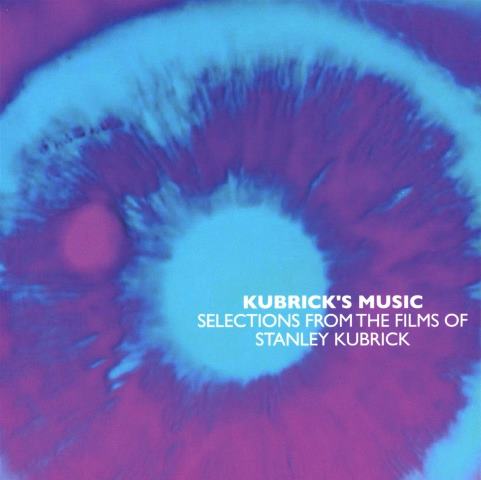
The new four-disc set Kubrick’s Music: Selections From the Films of Stanley Kubrick rams home the director’s influence on music: specifically, his effect on music’s associated, innate imagery. Whether or not this messing with subjective perceptions is welcome, it has become endemic – especially in advertising. Perhaps it’s not a legacy Kubrick would have appreciated, but his influence is integral to frequently cynical and sometimes jarring efforts to unite image and song. The unlikely appearance of “The Happy Wanderer” in The Sopranos was effective but the use of The Velvet Underground’s “Venus in Furs” for a car ad was clunky, and nullified the track’s mystery and ominousness. What Kubrick had done was and remains exceptional.
 Of course, Kubrick is not to blame for this syndrome. His synthesis of music and image was seamless and well thought out rather than unwieldy. The meticulous processes he went through to arrive at a final soundtrack are documented in the liner notes of Kubrick’s Music. The music of Mendelssohn and Vaughn Williams were heard in preview screenings of 2001: A Space Odyssey but not in what was released to cinemas. MGM had already balked at Kubrick’s desire to use archive recordings for 2001, so teamed him with soundtrack composer Alex North. When the film came out, North was duly discomfited to learn his music had not been used.
All these issues and more are raised by Kubrick’s Music, a neat, four-disc clamshell set. Selections from Paths of Glory (1957), Spartacus (1960), Lolita (1962: including Sue Lyon’s singing), Dr. Strangelove or: How I Learned to Stop Worrying and Love the Bomb (1964), 2001: A Space Odyssey (1968), A Clockwork Orange (1972), Barry Lyndon (1975) and Eyes Wide Shut (1999) are collected.
Because of the intentional baggage Kubrick added to much of the music he used, it is close-to impossible to listen without imagery from his films coming to mind as each disc plays through. With 2001, the Strauss waltzes heard in the film are indivisible from, as the liner notes put it, the “elegant cosmic ballet [of the] docking sequence.” This enlightening release consistently and spontaneously conjures such symbolism. Kubrick’s Music: Selections From the Films of Stanley Kubrick is more than a straightforward celebration of this unique film director.
- Next Week: Rockin' In The USA – a perception-shifting collection dedicated to "23 Hot 100 Hits from American pop’s final golden decade"