And so it comes to an end. Six months, 33 concerts, and many miles of travelling later, The Sixteen’s annual Choral Pilgrimage is now finished for another year. With so many concerts it’s inevitable that the singers’ relationship to the repertoire evolves and develops; the performances we heard last night will not have been those the audience at St John’s College, Cambridge experienced back in April. So what is the effect of living so intimately with this small handful of works?
The 2016 Pilgrimage pairs music by William Byrd with that of Arvo Pärt – two composers separated by over four centuries, but united by a spiritual urgency, a charge that manifests itself in the often painful intensity of the recusant Byrd’s motets and the yearning, searching meditations of Pärt’s music. Texturally the two share much, especially Pärt’s more recent works which relax the austerity of his earlier composition, becoming thicker and more generous. The musical dialogue here is fluent and natural, but sustained at length it feels just a little too much like two people agreeing with each other about everything. Just the odd disagreement, the occasional harmonic or textural challenge might have spiced this programme into keener focus.
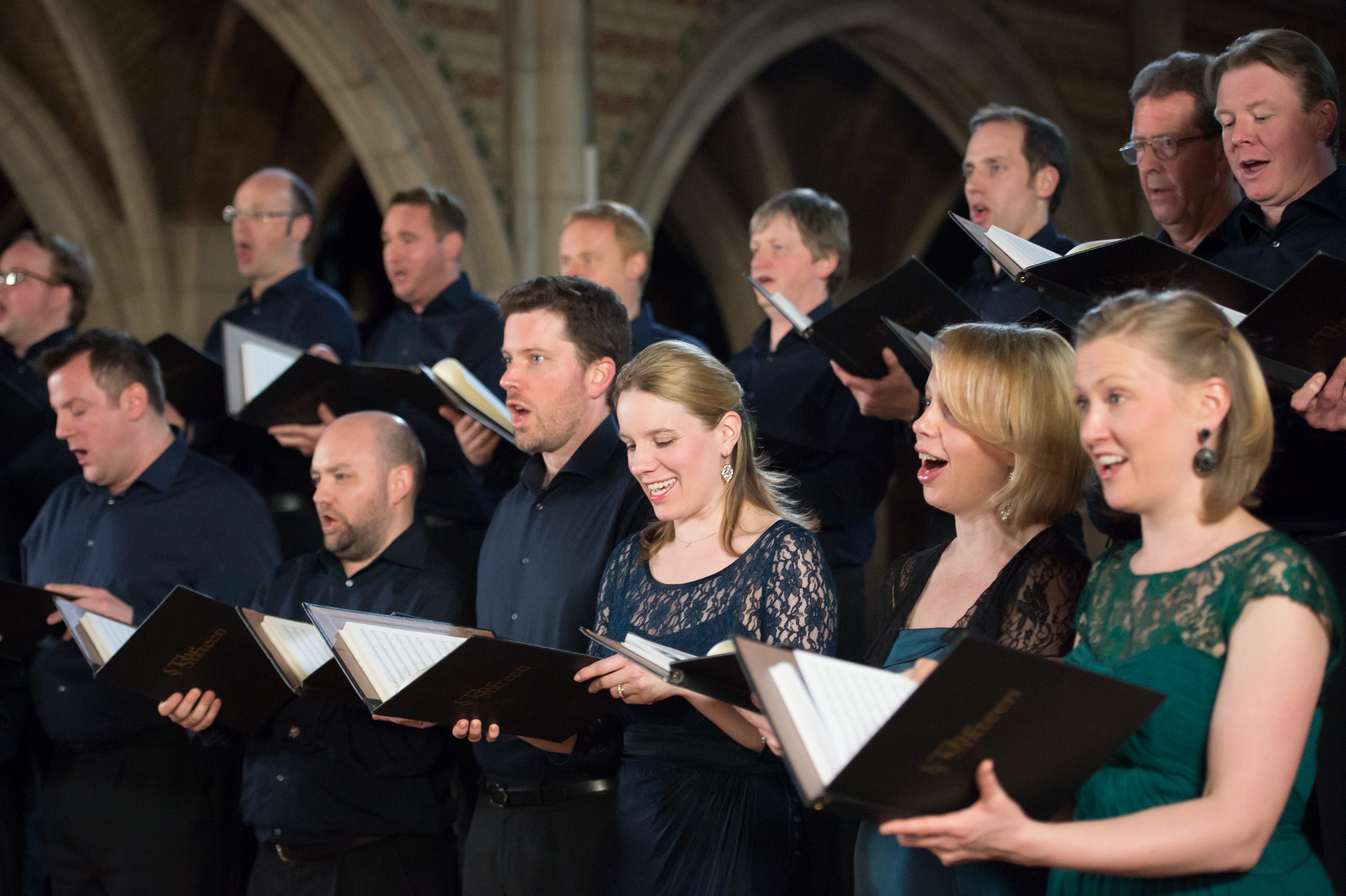 But there’s no doubting the understanding and skill of the performances themselves, nor the collective energy and communication of the ensemble. The UK isn’t short of professional chamber choirs, and it takes a lot to stay at the head of the pack for as long as Harry Christophers and The Sixteen have managed. The choral blend – exposed in Kings Place as it would not have been in the more ample acoustic of the tour’s predominately church venues – is impeccable, even through the voices and warmly produced. There’s a muscular core to their sound in this repertoire, especially in the upper voices, that sets them apart from rivals Tenebrae or The Tallis Scholars, with their airier delivery.
Not all venues are created equal, and in a tour programme designed to fit so many different spaces (Winchester Cathedral and the Bridgewater Hall, to name just two), inevitably certain pieces flourish in some environments while others struggle. In the small but live acoustic of King’s Place works like “Laetentur coeli” with its swift movement and dense texture gained a welcome clarity, while the spatial drama of Part’s “Nunc Dimittis” and Byrd’s “Christe qui lux es et dies”, with its self-contained phrases, each left to hang in the air, cried out for something a bit more spacious.
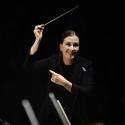
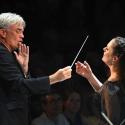
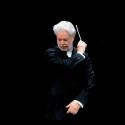
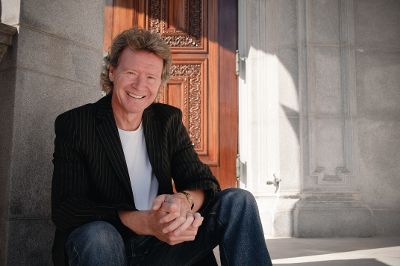 A strange issue with sound (ambient miking, possibly?) distorted the first few pieces, but settled in time for Byrd’s mighty “Ad Dominum cum tribularer” – shaped in long-form arcs and waves, broken only by glinting false-relations – and his equal and opposite “Tribue Domine”, a piece of musical architecture every bit the equal of the Gothic cathedrals that are its near contemporaries. Shaping it with restraint and meticulous care, Christophers (pictured left) brought all its austere drama to the fore, climaxing in the ecstatic final Gloria.
The Sixteen’s musical pilgrimage is an anachronism in a secular age, but a wonderful one. Spirituality takes many forms, as Byrd’s music and Pärt’s reminds us, and if these meditations – because that’s what they are, not concerts in any traditional sense – can give their listeners pause, can take them beyond themselves just for a moment, then they have done their job, and so have their performers. Christophers and his choir are charismatic musical evangelists indeed; long may this tradition persist.
- The Sixteen's 2016 Choral Pilgrimage programme is available on their recording The Deer's Cry
- Read more classical music reviews on theartsdesk